

Pearl Birthstone Guide: Meaning, Price, Care And Types
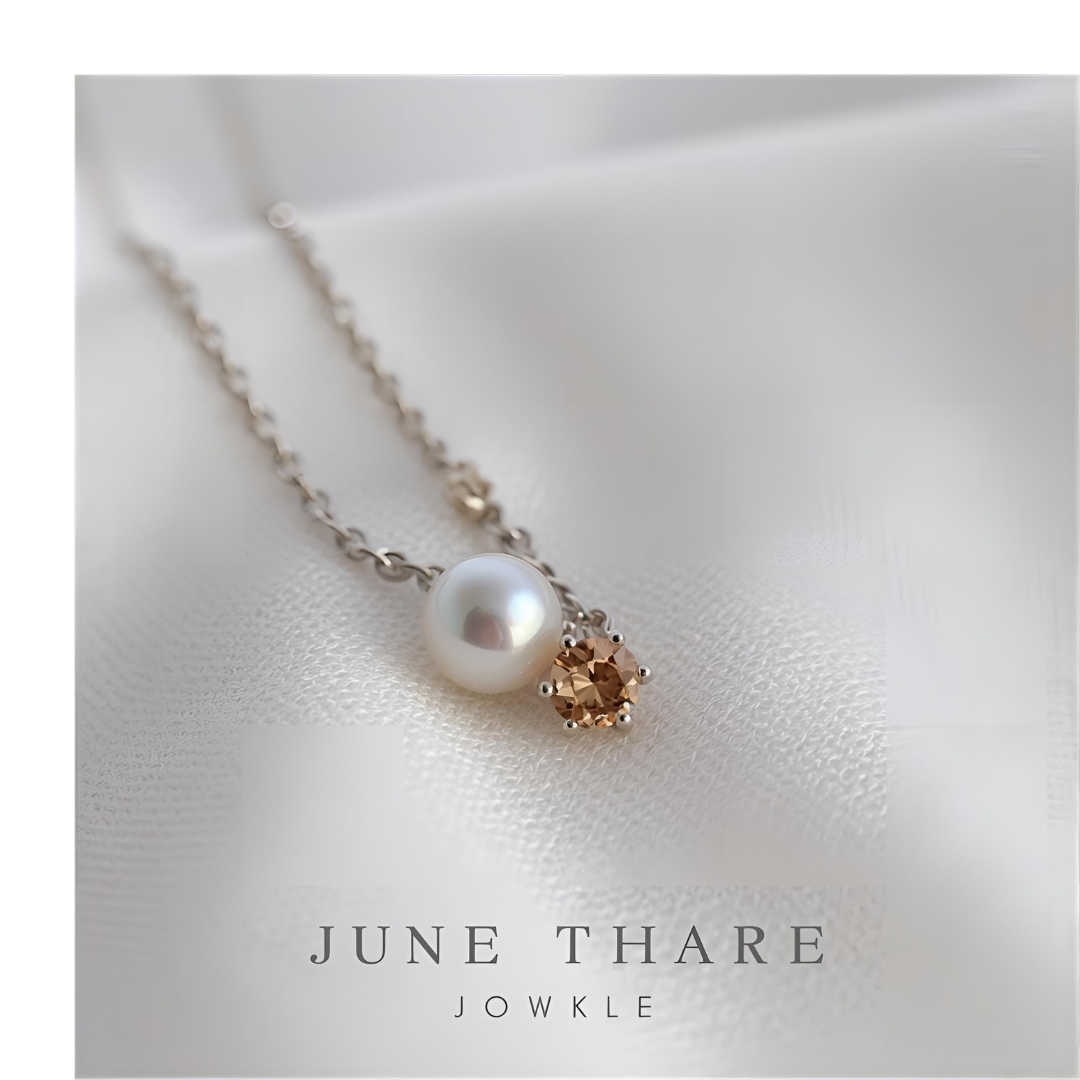
Pearl Birthstone
Pearls are one of the three birthstones for June, alongside alexandrite and moonstone. Unlike other gemstones mined from the earth, pearls are organic treasures formed within living creatures.
“Cleopatra, the last pharaoh of Egypt, once bet Marc Antony that she could host the most expensive dinner in history. She crushed a single pearl from her earring into a goblet of wine and drank it, dissolving a gem worth millions. Centuries later, pearls were so precious that only royalty could wear them. In 16th-century Europe, laws were passed forbidding anyone below nobility from owning pearls. Today, the pearl is still the only gem born from a living creature — a quiet miracle of an oyster turning an irritant into a treasure. That is why June babies and brides still choose it: beauty from struggle, light from darkness.”
The same gem that graced Cleopatra‘s ear now awaits your June birthday — or your forever promise. Every pearl in our collection is ga enuine cultured pearl, hand-selected for luster and surface quality.”
[Button: Explore Pearl Jewelry →]
Their serene, luminous beauty has made them a timeless symbol of elegance and purity.
Here is the topic of contents.
- Which Birthstone Is Pearl?
- What Month Is Mother Of Pearl Stone?
- What Is The Full Meaning Of Pearl Stone?
- What Does It Mean When Someone Gifts You Pearls?
- What Is The Personality Of A Pearl Stone?
- How Can You Tell If Pearl Stones Are Cheap?
- Are Real Pearls Heavy or Light?
- Do Real Pearls Turn Yellow?
- Can I Shower With Pearlstone?
- How Much Does A Real Pearl Stone Cost?
- Why Is Pearl Jewelry So Expensive?
- Is Pearl A Lucky Stone?
- Does Pearl Attract Money?
- What Is The Color Of Pearl Stone?
The first topic is;
Which Birthstone Is Pearl?
The Pearl is the primary and traditional birthstone for June. Making June one of the few months with three modern birthstones.
Here are the official birthstones for June:
Pearl: The only gem created by a living organism, symbolizing purity, humility, and innocence.
Alexandrite: A rare and remarkable gem known for its color-changing ability (green in daylight, red-purple in incandescent light).
Moonstone: Known for its glowing, moon-like sheen (adularescence) and symbolizing new beginnings and inner growth.
The pearl is a perfect fit for June, a month often associated with weddings, new beginnings, and the radiant energy of summer. A gift of pearl jewelry for a June birthday is a significant and elegant choice.
For official pearl grading standards, visit the GIA Pearl Guide.
What Month Is Mother Of Pearl Stone?
This connects directly to the previous one about pearls.
Mother-of-pearl is associated with June.
However, it's important to understand the nuance:
Pearl is the primary traditional and modern birthstone for June. It is the main gemstone for that month.
Mother-of-Pearl stone is considered a secondary or alternative birthstone for June.
Why the Connection?
The reason is inherent in their composition. As discussed in the previous answer, a pearl and mother-of-pearl are made of the same substance: nacre.
A pearl is a concentrated, layered ball of nacre formed around an irritant.
Mother of Pearl stone is the smooth, iridescent lining of the mollusk's shell, also made of nacre.
Because they are essentially the same material, they share the same birthstone month and many of the same symbolic meanings, such as purity, peace, and protection.
What Is The Full Meaning Of Pearl Stone?
The term "pearl stone" can be a bit confusing because a pearl stone isn't a stone in the geological sense. It's an organic gem.
Here is a breakdown of its "full meaning," covering its definition, how it's formed, and its symbolic significance.
1. The Literal and Scientific Meaning
A pearl is a hard, glistening object produced within the soft tissue (specifically the mantle) of a living shelled mollusk, most commonly an oyster or mussel.
It is not a mineral: Unlike gemstones like diamonds or rubies that are mined from the earth, pearls are formed by living organisms. This makes them organic gems, similar to amber or coral.
Composition: Pearls are primarily made of calcium carbonate (in the form of the mineral aragonite or a mixture of aragonite and calcite) and an organic protein called conchiolin. This combination is known as nacre, also referred to as mother-of-pearl.
Formation: A pearl stone forms when an irritant, such as a tiny parasite or a piece of grit, gets inside the mollusk's shell. To protect itself, the mollusk secretes layers of nacre around the irritant. Over time, these layers build up to form the lustrous pearl we know.
2. The "Stone" Misconception and Clarifications
The word "stone" is often added for a few reasons:
Linguistic Habit: In the context of jewelry, people are used to terms like "precious stones" and "gemstones." Adding "stone" helps place pearls in that category of valuable, beautiful objects used for adornment.
Descriptive Purpose: A pearl stone is hard and round like many stones, so the term is descriptively useful, even if scientifically inaccurate.
Important Distinctions:
Pearl Stone: This is not a standard scientific term. It's a descriptive or commercial name for a pearl.
Mother of Pearl: This is the iridescent lining of the shell that the pearl is made from. It is the same substance (nacre) but in a flat form.
Gemstone vs. Organic Gem: A pearl stone is an organic gem, while a "stone," like a diamond, is a mineral gemstone.
3. Types of Pearls
Understanding the types also clarifies the meaning:
Natural Pearls: Form in the wild without any human intervention. These are extremely rare and valuable.
Cultured Pearls: The vast majority of pearls today are cultured. Humans intentionally insert a small irritant (a "nucleus") into the mollusk to stimulate the pearl-forming process. They are real pearls, but are created with human help.
Freshwater vs. Saltwater Pearls: Refers to the environment in which the mollusk lives (e.g., Akoya, Tahitian, and South Sea pearls are saltwater).
4. Symbolic and Cultural Meaning
Beyond its physical properties, the "meaning" of a pearl is deeply symbolic across many cultures:
Purity and Innocence: Their white, flawless appearance has lobeen ng been associated with purity, making them a popular choice for bridal jewelry.
Wisdom and Spiritual Transformation: Formed from a grain of sand, pearls symbolize something valuable and beautiful arising from a small irritation or challenge. They represent gained wisdom and spiritual growth through experience.
Wealth and Status: Historically, pearls were so rare that they were a clear sign of royalty and extreme wealth.
Femininity and Love: They are often seen as a classic, elegant symbol of femininity and are associated with love and marriage.
June Birthstone: The pearl is the traditional birthstone for June.
“In ancient China, pearls were believed to be drops of moonlight that fell into the ocean and were swallowed by oysters. Emperors wore pearls sewn into their robes, believing the stones would protect them from fire and dragons. In Hindu tradition, the pearl is associated with the Moon god Chandra, a stone of emotional calm and mental peace. Marco Polo wrote that the kings of India owned pearl strands so long they touched the ground. For 5,000 years, across every continent, one gem has meant the same thing: rarity so deep it looks like light.”
Learn more about pearl history and formation on Wikipedia's pearl page.
What Does It Mean When Someone Gifts You Pearls?
When someone gifts you pearls, it carries a rich and multi-layered symbolism that has been built over centuries. The meaning can vary based on your relationship with the giver and the context, but it is almost always a gesture of deep affection and esteem.
Here’s a breakdown of what it generally means:
Primary Positive Meanings
Pure and Sincere Love: This is the most classic interpretation. Pearls, with their flawless, luminous white appearance, have long been symbols of purity, innocence, and loyalty. Gifting pearls often signifies a love that is genuine and untainted.
Romantic Context: A gift of pearls from a romantic partner is a very traditional and elegant gesture. It can symbolize a pure, committed, and lasting love. It's a common pearl engagement ring gift for significant anniversaries, weddings, or engagements.
Wisdom and Personal Growth: Remembering how a pearl stone is formed—from a small irritant into a thing of great beauty—this gift can symbolize that the giver sees the wisdom and strength you've gained through life's challenges. It's a way of saying, "You have turned your struggles into something beautiful."
You Are Precious and Treasured: Just as a pearl stone is rare and valuable, being gifted one signifies that the giver holds you in very high regard. It's a way of saying, "You are unique and invaluable to me."
Calmness and Serenity: The gentle luster and organic, smooth shape of pearls are associated with tranquility, balance, and a calming presence. The gift can be a wish for peace in your life or an acknowledgment of your calming influence on others.
Marking a Significant Milestone: Pearls are often given to celebrate major life events:
A Sweet 16 or 18th Birthday: Symbolizing a coming of age and a transition into adulthood.
Graduation: Representing the acquisition of wisdom and the start of a new chapter.
A Landmark Anniversary: (Especially the 30th, which is the pearl anniversary) Celebrating a long-lasting, beautiful relationship.
Meaning Based on the Giver
From a Romantic Partner: As mentioned, it's a classic symbol of pure, committed love. It's a deeply romantic and traditional gift.
From a Parent or Grandparent: This often signifies a wish for protection, purity, and a blessed life. A grandmother's pearl necklace, passed down, is an heirloom carrying family history and love.
From a Friend: It can be a symbol of a precious, loyal, and enduring friendship. It says, "I value our bond deeply."
A Note on Potential Negative Superstitions
While overwhelmingly positive, it's worth noting a few old-fashioned superstitions:
"Tears" Superstition: Some very old European folklore suggests that gifting pearls can predict "tears" or sorrow in the relationship. This is because pearls were thought to resemble tears.
Modern Interpretation: This superstition is largely dismissed today. A more modern take is that the "tears" are simply the normal ups and downs of any long-lasting relationship, which the pearl, as a symbol of durability, can withstand.
Summary: What It Ultimately Means
When you receive pearls as a gift, the giver is most likely trying to convey one or more of these heartfelt messages:
"My love for you is pure and lasting."
"I admire your wisdom and strength."
"I cherish you and our relationship."
"I am honoring a significant moment in your life."
In short, a gift of pearls is a sophisticated, elegant, and profoundly meaningful gesture. It is almost always a sign of deep affection, respect, and a desire to honor you and your relationship.
What Is The Personality Of A Pearl Stone?
This is a wonderful question that moves beyond the physical properties of a pearl and into the realm of metaphor and symbolism. While a gemstone doesn't have a personality in the human sense, we can absolutely attribute one based on its characteristics, how it's formed, and the qualities it represents.
If a pearl were a person, its personality would be a beautiful and complex blend of quiet strength, refined elegance, and deep wisdom.
Here's a breakdown of the pearl's "personality traits":
1. Resilient and Strong-Willed
Core Trait: This is the most fundamental aspect of a pearl stone personality. It is born from adversity—a simple grain of sand or an irritant that causes discomfort. Instead of being defeated, the oyster transforms this annoyance into something breathtakingly beautiful.
Human Equivalent: The person who has been through challenges and hardships but has used those experiences to grow, become wiser, and develop a profound inner strength. They don't complain; they transform.
2. Wise and Mature
Core Trait: A pearl is not created overnight. It is the result of a slow, patient, layered process. This gives the pearl a personality that is calm, patient, and deeply wise beyond its years.
Human Equivalent: The serene, thoughtful individual who speaks less but listens more. Their advice is valuable because it comes from a place of experience and quiet contemplation.
3. Elegant and Timelessly Classy
Core Trait: Pearls don't shout for attention with flashy colors. Their beauty is in their soft, luminous glow and understated elegance. They are classic, never going out of style.
Human Equivalent: The person with impeccable, quiet taste. They are poised, graceful, and carry themselves with a natural dignity that doesn't need to be loud to be noticed.
4. Pure and Compassionate
Core Trait: For centuries, pearls have been symbols of purity, innocence, and integrity. Their clean, white luster suggests a clear conscience and a sincere heart.
Human Equivalent: The individual who is genuine, honest, and kind. They have a strong moral compass and a nurturing, compassionate nature that makes others feel safe.
5. Introverted yet Confident
Core Trait: A pearl forms in the dark, hidden within a shell. Its beauty is internal at first, only revealed when sought out. It doesn't need external validation.
Human Equivalent: The person who is comfortable with solitude and doesn't need to be the center of attention. Their confidence comes from within. They may be quiet in a crowd, but their presence is deeply felt.
6. Nurturing and Protective
Core Trait: The very substance of the pearl stone, nacre (mother-of-pearl), is a protective coating the mollusk creates to soothe an irritation. Its entire existence is an act of self-care and protection.
Human Equivalent: The person who is a natural caregiver and protector. They have a calming presence and often take care of others, helping to soothe life's "irritations" for their loved ones.
In Summary: The Pearl Persona
If you meet a person with a "pearl personality," they are likely:
Not the loudest in the room, but undoubtedly one of the most impactful.
A deeply resilient individual who has turned their past pains into their greatest strengths.
Someone who values substance over surface, and whose elegance comes from their character, not their appearance.
A loyal and trustworthy friend, whose wisdom and calmness you can rely on.
How Can You Tell If Pearl Stones Are Cheap?
Telling if pearls are cheap involves looking at several key factors that distinguish high-quality, valuable pearls from their lower-cost counterparts.
Here is a practical guide, starting with the most obvious signs and moving to more subtle details.
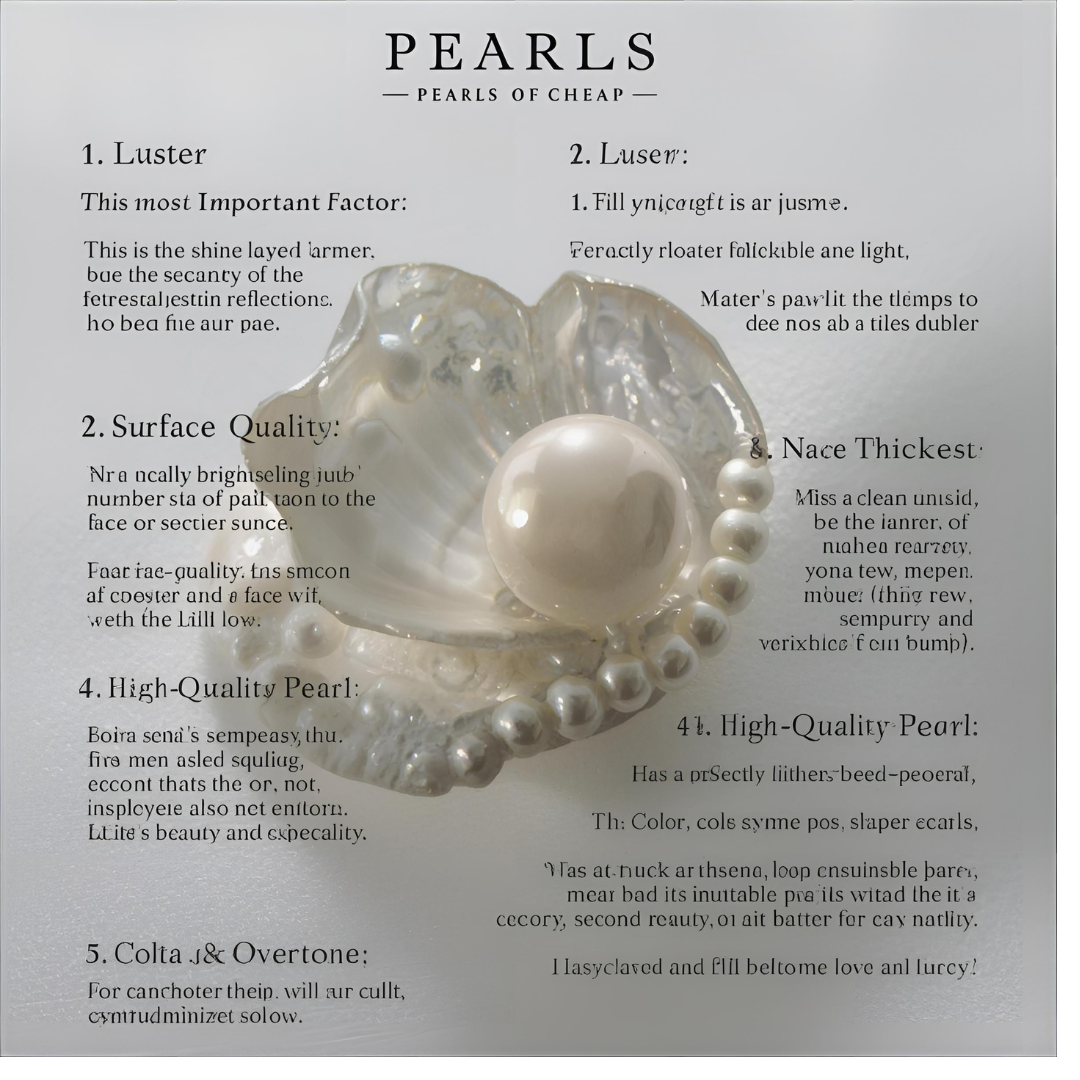
The 5 Key Factors to Check (The "Pearl Virtues")
Experts grade pearls on these criteria, and cheap pearls will perform poorly in most of them.
1. Luster (The Most Important Factor)
This is the shine and the clarity of the reflections you see on the surface.
High-Quality Pearl: Has a sharp, bright, and mirror-like luster. You should see a clear reflection of your face or light source. The glow seems to come from deep within the pearl.
Cheap Pearl: Looks dull, chalky, hazy, or milky. The surface is not reflective; it's more like a matte finish. This is the biggest giveaway of a cheap or fake pearl.
2. Surface Quality
No pearl is perfectly flawless, but the number and severity of blemishes matter a lot.
High-Quality Pearl: Has a clean, smooth surface with very few, minor imperfections like small spots, wrinkles, or bumps.
Cheap Pearl: Will be heavily blemished with numerous obvious spots, cracks, circles, or abrasions. The surface may look uneven or pitted.
3. Shape
Perfectly round pearls are the rarest and most valuable.
High-Quality Pearl: For strands, a perfectly round, symmetrical shape is the standard for high quality.
Cheap Pearl: Noticeably off-round, oval, button-shaped, or baroque (irregular) in a non-uniform way. Note: Baroque pearls can be very expensive if they have high luster and are from a valuable type (like South Sea baroques). But in cheap strands, a regular shape is a sign of low quality.
4. Nacre Thickness
This is the coating of "mother-of-pearl" that gives the pearl its beauty and durability.
High-Quality Pearl: Has a thick layer of nacre, which is responsible for its deep, beautiful luster. It is durable and will last for generations.
Cheap Pearl (especially cultured): Can have very thin nacre. You might even see a "blinking" effect where the bead nucleus inside peeks through. Thin nacre will wear away, peel, or crack over time.
5. Color & Overtone
High-Quality Pearl: The color appears rich and saturated. You can often see subtle overtones (a second color shimmering over the base color).
Cheap Pearl: The color can look flat, washed out, or "painted on."
Specific Tests You Can Do
The Tooth Test (Best for Spotting Fakes)
This is the classic way to tell a real pearl from a plastic or glass imitation.
Gently rub the pearl across the biting edge of your front tooth.
Real Pearl: Will feel distinctly gritty or sandy. This is because the layers of nacre create a slightly rough surface.
Fake Pearl (plastic, glass): Will feel completely smooth.
Note: This test confirms if a pearl is real, but not necessarily its quality. Some cheap real pearls (with poor luster) will still feel gritty.
The Feel & Weight Test
Real Pearls feel cool to the touch and have a substantial weight for their size.
Cheap Plastic Fakes feel warm and are very lightweight.
Glass Fakes can feel cool and heavy, so use the tooth test to confirm.
The Drill Hole Check
Look closely at the hole the string goes through.
High-Quality Pearl: The drill hole will be neat, small, and clean. You might see a clear distinction between the nacre layers and the central bead nucleus.
Cheap Pearl: The drill hole may be rough, large, or chipped. With thin nacre, you might see a dark line or a stark contrast where the plastic or shell bead is visible just beneath the surface.
The Clasp & Stringing
High-Quality Pearls: Are almost always paired with a high-quality clasp, often made of solid gold (marked 14k, 18k) or sterling silver, and may even bear a brand name. They are professionally knotted between each pearl to prevent them from rubbing and to save the strand if it breaks.
Cheap Pearls: Often have cheap, lightweight clasps (gold-plated or base metal) and are often not knotted, or the knots are poorly done.
Quick Summary: Red Flags for Cheap Pearls
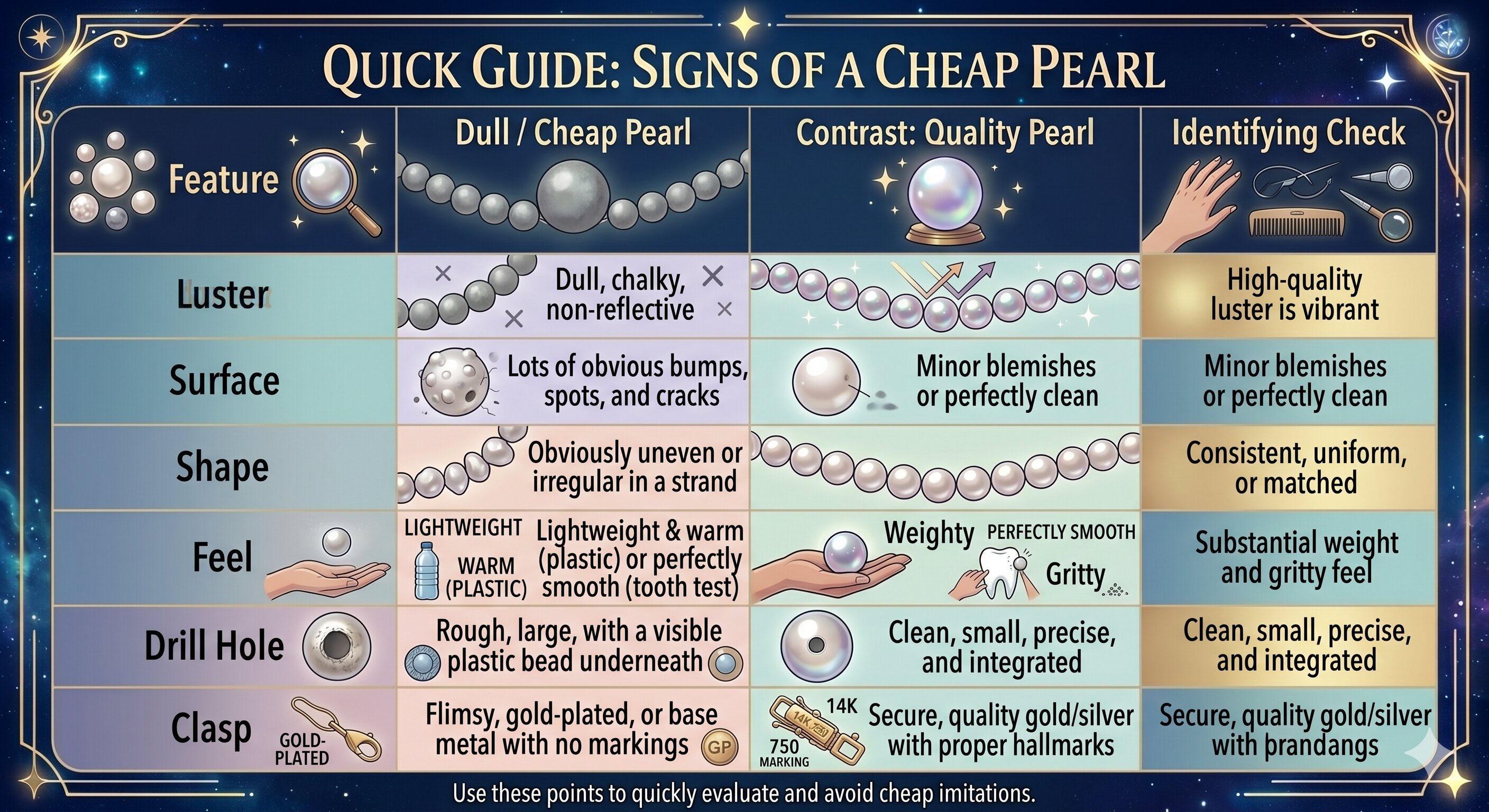
A full strand sold for $50-$100 is almost certainly cheap or fake.
By combining these visual inspections with a simple tooth test, you can confidently determine whether a pearl stone is not only real but also of good quality or likely to be a cheap imitation.
Are Real Pearls Heavy or Light?
This is a very practical way to start assessing pearls.
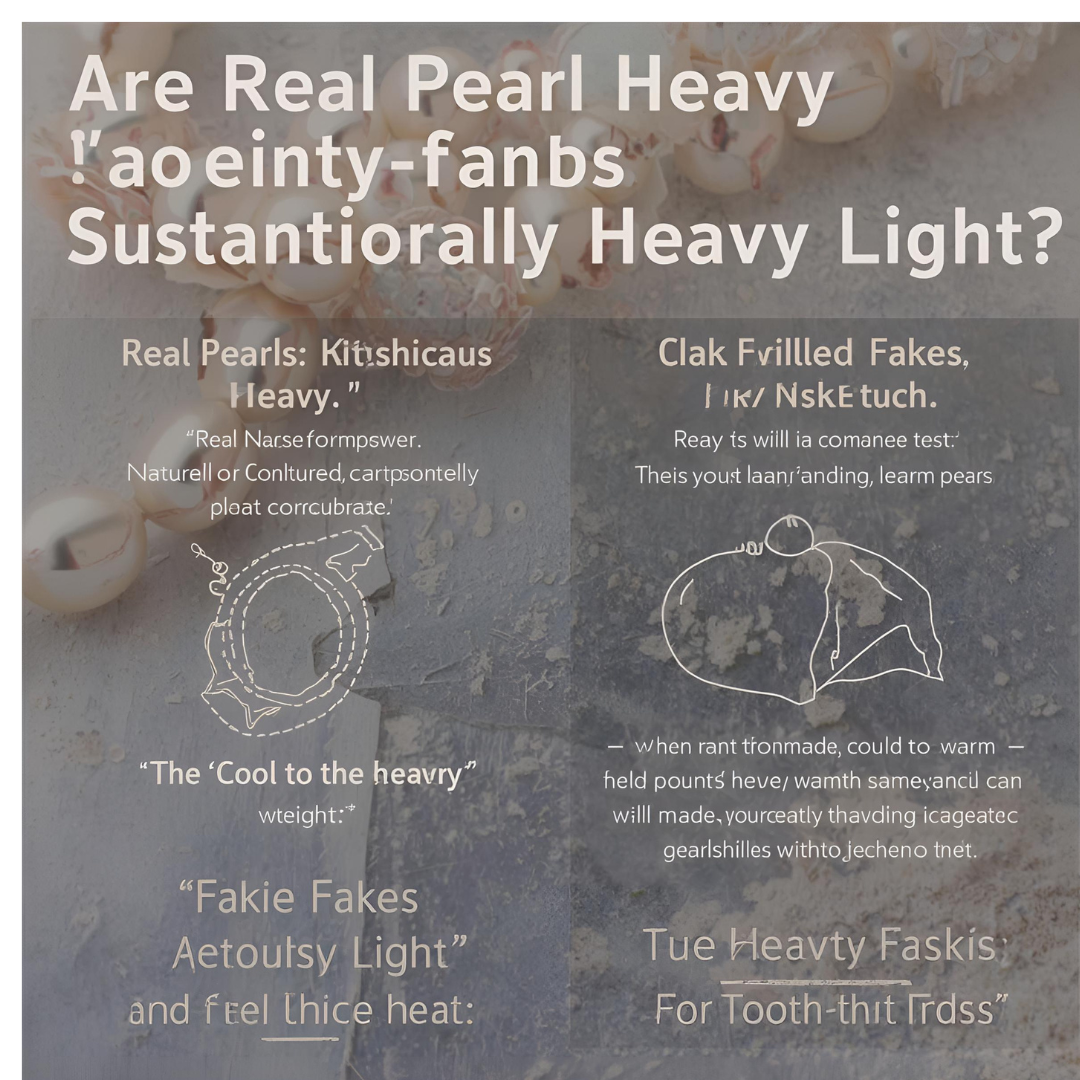
The simple answer is: Real pearls feel noticeably heavy for their size.
However, the full picture requires a comparison with common fakes. Here’s a detailed breakdown:
Real Pearls: "Substantially Heavy"
Solid Nacre: Real pearls, whether natural or cultured, are composed of solid, densely packed layers of nacre (calcium carbonate). This mineral structure gives them a satisfying and substantial weight.
The "Cool-to-the-Touch" Factor: This heaviness is almost always accompanied by a cool feeling when you first pick them up. Solid nacre takes a moment to warm up from your body heat.
Fake Pearls: "Suspiciously Light" or "Deceptively Heavy"
Plastic Fakes (The Lightest):
These are very obviously cheap. They feel unusually light and hollow. When you pick them up, you'll immediately think, "This feels like plastic." They will also feel warm to the touch right away.
Glass-Filled Fakes (The Heaviest, but in a Different Way):
Some fakes are made from solid glass beads coated with a pearlescent finish. These can actually feel heavier than real pearls—often too heavy and dense.
The key here is to combine the weight test with the Tooth Test. A glass bead will feel perfectly smooth when rubbed gently against your tooth, while a real pearl will feel gritty.
Quick Guide: Weight & Feel
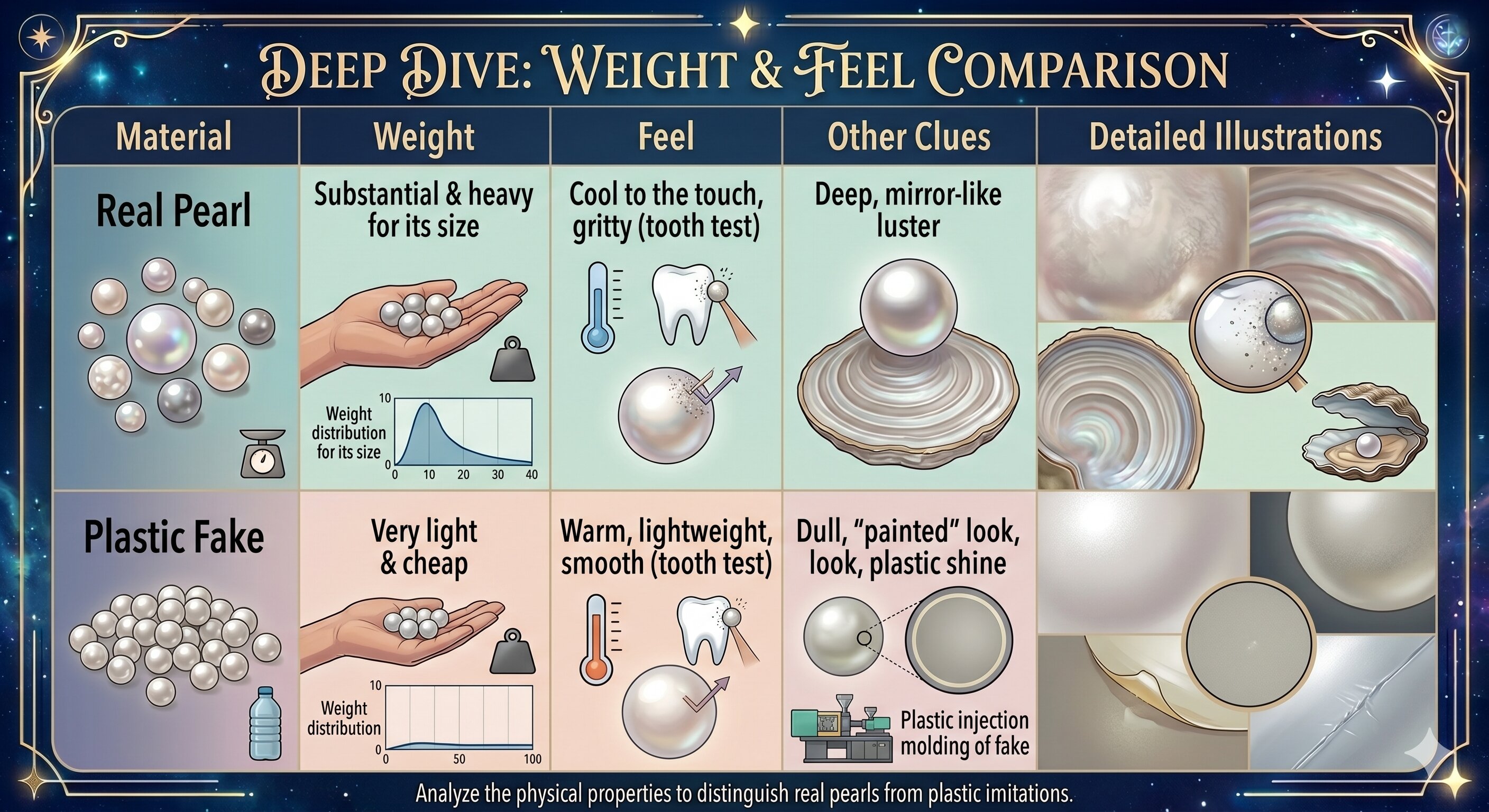
Glass Fake can be very heavy and dense. Cool, but perfectly smooth (tooth test). The coating may peel or chip over time.
Practical Tip: The Comparative Test
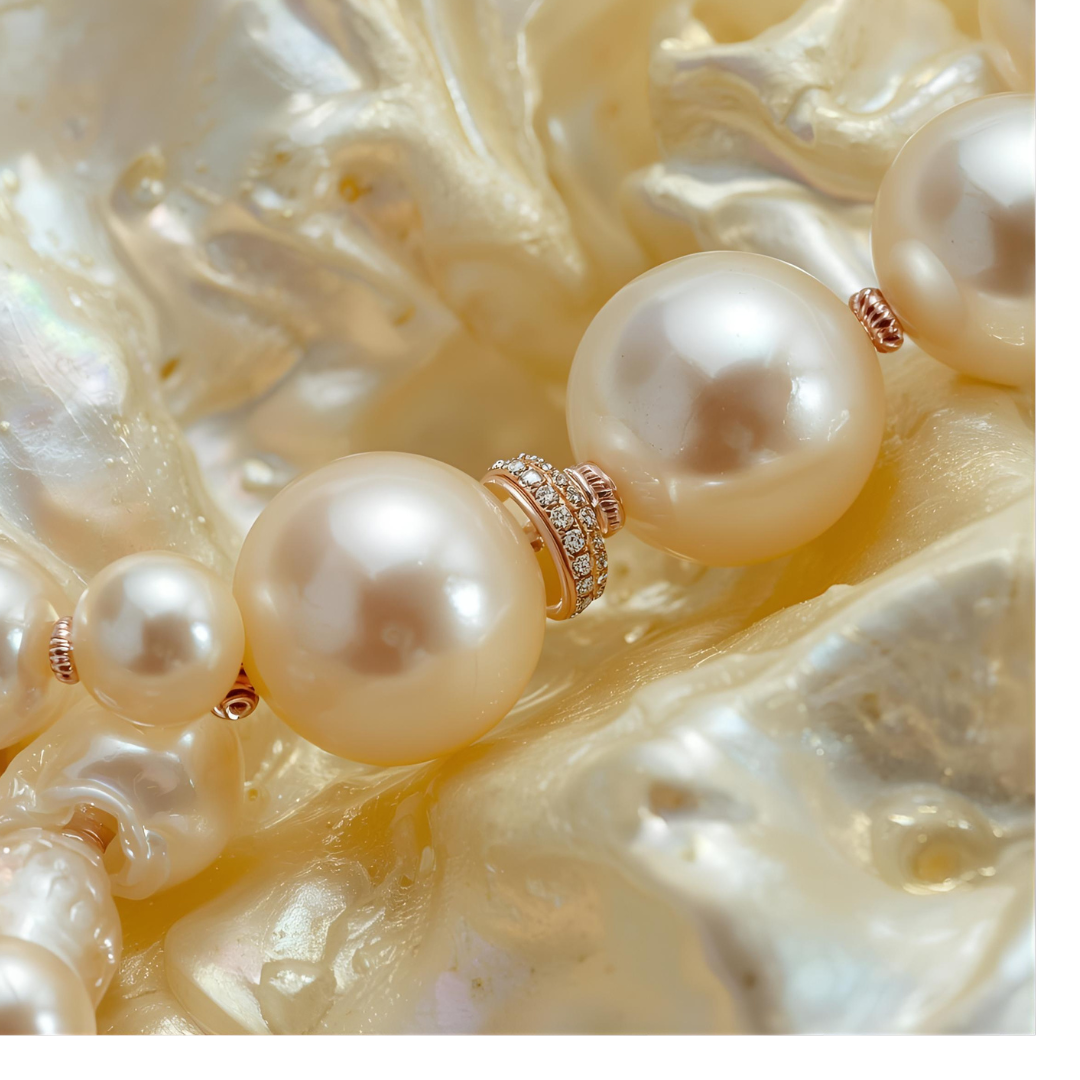
The best way to judge is by comparison. If you have a strand you know is real, compare its weight to the one in question. A real pearl strand will have a significant, satisfying drape and weight around your neck, while a plastic fake will feel insubstantial and forgettable.
Do Real Pearls Turn Yellow?
Yes, real pearls can turn yellow over time, but this process is not inevitable and is often reversible.
Here’s a detailed explanation of why it happens and what you can do about it.
Why Do Real Pearls Turn Yellow?
The yellowing of pearls is primarily due to their organic nature. Remember, pearls are made of nacre (calcium carbonate and an organic protein called conchiolin).
The Breakdown of Organic Components: The conchiolin, the protein that binds the nacre layers together, is susceptible to chemical changes. Over time, especially when exposed to certain elements, this organic substance can break down and oxidize, much like how an old piece of paper turns yellow.
The Role of the Porous Surface: A pearl's surface is microscopically porous. Through these tiny pores, it can absorb substances from its environment that accelerate the chemical reactions, causing yellowing.
What Accelerates the Yellowing?
The main culprits are:
Exposure to Chemicals: This is the biggest cause. Everyday substances are full of chemicals that can damage pearls.
Perfume, Hairspray, and Cosmetics
Chlorine (from swimming pools or household cleaners)
Vinegar, Lemon Juice, and other acidic liquids
Perspiration and natural skin oils
Exposure to Heat and Dryness: Storing pearls in a very dry, hot environment (like an attic) or in direct sunlight can dry out the conchiolin, making it brittle and more prone to yellowing.
Exposure to Air: Simply being exposed to air over decades can lead to slow oxidation, which is why very old, unworn pearls that have been stored improperly often show the most significant yellowing.
Can You Reverse Yellowed Pearls?
Sometimes, but not always. It depends on the severity of the yellowing.
For Mild Yellowing: Yes, it can often be reversed. The method is simple but requires caution:
Clean Gently: Wipe the pearls with a soft, damp cloth after each wear to remove oils and sweat.
"Rehydrate" with Wear: The best and safest method is simply to wear them regularly. The natural, very slight moisture from your skin can help rehydrate the nacre and slow the oxidation process. The oils from your skin can also help restore a bit of luster, but cleaning afterward is key.
For Severe Yellowing: If the pearls have been neglected for a very long time, the change may be permanent. The nacre can become permanently dehydrated and damaged. Do not try to soak them in harsh chemicals or abrasive cleaners, as this will destroy the nacre's surface.
How to Prevent Pearls from Yellowing?
Prevention is far easier than reversal. Follow these simple rules:
The "Last On, First Off" Rule: Always put your pearls on after applying perfume, hairspray, and cosmetics. Take them off before you do anything at the end of the day.
Wipe After Wearing: Gently wipe them with a soft, lint-free cloth (like a microfiber cloth) after each wear.
Store Properly: Do NOT store pearl stone in an airtight plastic bag. They need a bit of moisture. Store them in a soft cloth pouch or a lined jewelry box, away from direct sunlight and heat.
Let Them Breathe: Never store them in a bank safety deposit box for long periods, as the extremely dry environment can dehydrate them.
Summary
Yes, real pearls can turn yellow due to the oxidation of their organic components.
This is accelerated by chemicals, heat, and dryness.
Mild yellowing can often be reversed by gentle cleaning and regular wear.
Severe yellowing is often permanent.
Prevention is key: Keep them clean, store them properly, and wear them often to keep them looking luminous and white for generations.
What Happens If Pearls Get Wet?
The short answer is: Getting pearls wet occasionally is not a disaster, but it's something you should actively avoid. They are not like other gemstones that can be rinsed without a second thought.
Here’s a detailed breakdown of what happens and what you should do.
The Risks: What Happens When Pearls Get Wet?
The main risks aren't from the water itself, but from what the water can do and what might be in the water.
Weakening the Silk Thread: This is the most immediate and common damage. Most high-quality pearl necklaces are strung on silk thread. When the silk gets wet, it stretches. As it dries, it shrinks again. This repeated stretching and shrinking weakens the fibers, making the thread brittle and much more likely to break. A broken strand can lead to lost pearls.
Damage to the Nacre (The Pearl's Surface):
Water Exposure: Prolonged water immersion (especially hot water) can slowly degrade the organic glue (conchiolin) that holds the layers of nacre together. Over time, this can dull their luster and make the surface more vulnerable.
Chemicals in Water: This is the biggest threat. Tap water contains chlorine, hard water has minerals, and swimming pool water has very high chlorine levels. These chemicals can erode the delicate nacre, eating away at the surface and permanently damaging the pearl's luster and beauty. They can also cause discoloration.
Water Spots: If water containing minerals (like hard water) dries on the pearl's surface, it can leave behind unsightly mineral spots.
What To Do If Your Pearls Get Wet
Don't panic! Follow these steps:
Immediate Action: Gently wipe them dry with a very soft, lint-free cloth (a microfiber cloth is perfect).
Air Dry: Lay them flat on a soft towel to air dry completely at room temperature. NEVER use heat from a hairdryer or place them in direct sunlight to dry, as sudden heat can crack the nacre.
Let the Thread Dry Thoroughly: Before storing or wearing them again, ensure the silk thread is completely dry. This may take a day or so. Hang them for a short period to help air circulate, but don't store them hanging, as this will also stretch the silk.
Situations to Actively Avoid
To keep your pearls safe, be sure to take them off before:
Showering or Bathing
Swimming (in pools, the ocean, or hot tubs)
Washing Dishes
Exercising (sweat is acidic and can damage pearls similarly to other chemicals)
Using cleaning products or chemicals
The "One Exception" Rule
The only time it's acceptable to have a tiny amount of moisture on your pearls is when you are cleaning them properly. This involves:
Dampen a soft cloth with pure, clean water (distilled water is best).
Wiping the pearls gently.
Immediately drying them thoroughly with another soft, dry cloth.
Can I Shower With Pearlstone?
This is one of the most important rules of pearl stone care, so I'm glad you asked.
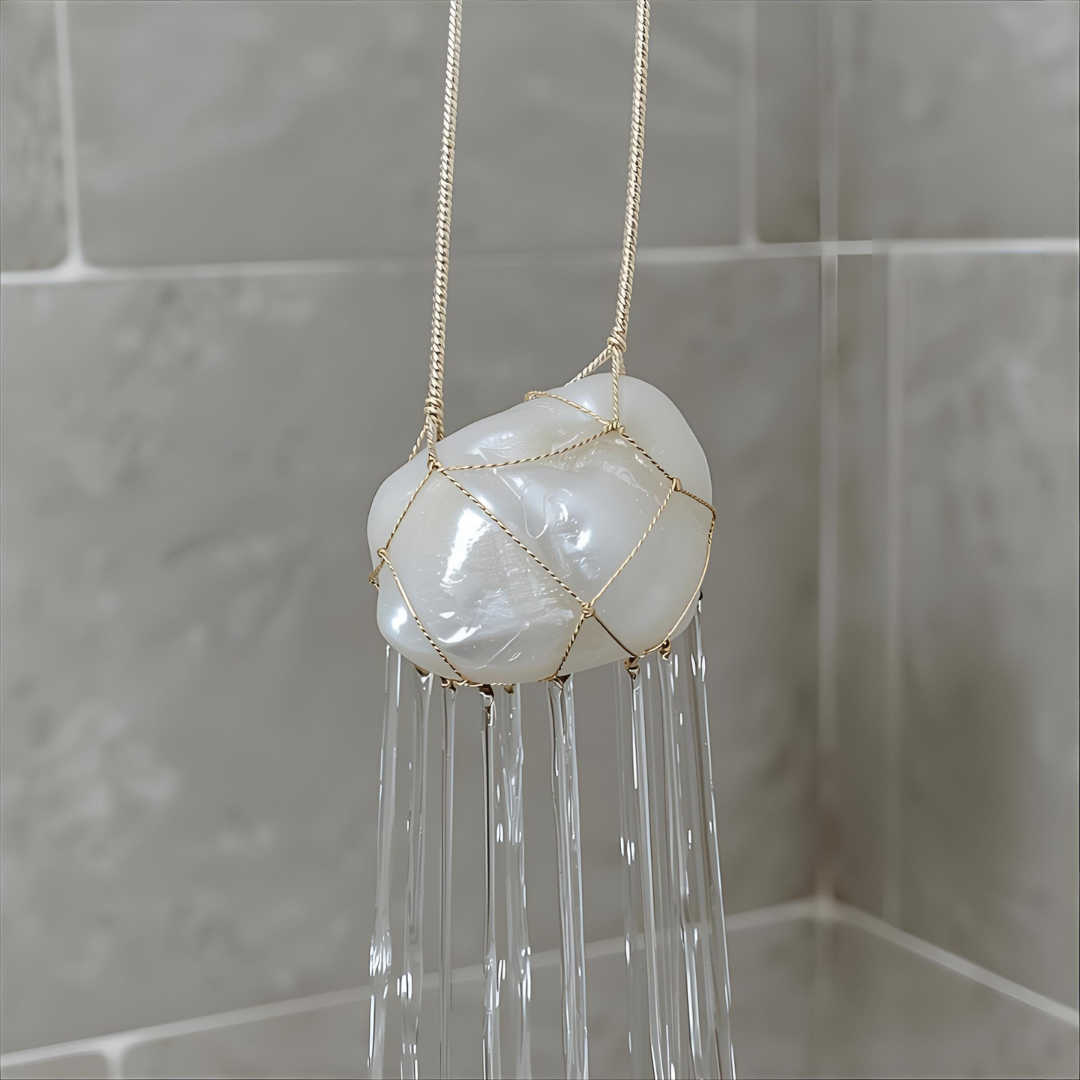
No, you should absolutely not shower with your pearls on.
It's one of the quickest ways to damage them. While a single, accidental splash won't ruin them, regularly showering with pearls will cause significant and often irreversible harm.
Here’s a breakdown of exactly why it's so damaging:
1. Chemicals in the Water
The water in your shower is not pure. It contains chemicals that are very harmful to pearls:
Chlorine: Used to treat municipal water, chlorine is highly corrosive to the delicate nacre (the outer layer) of a pearl. It will eat away at the surface, permanently dulling their luster and causing them to look chalky and worn over time.
Hard Water Minerals: Minerals like calcium and magnesium can leave unsightly deposits and spots on the pearl's surface.
2. Soap, Shampoo, and Conditioner
These products are designed to break down oils and contain surfactants, fragrances, and other chemicals that will:
Create a film on the pearls, trapping chemicals against their porous surface.
Gradually strip the pearls of their natural oils and degrade the nacre.
Dull their brilliant shine, leaving them looking lifeless.
3. Hot Water
Hot water can be particularly damaging as it can:
Soften the nacre, making it more susceptible to scratches and erosion.
Weaken the silk thread (see next point) more rapidly.
4. Damage to the String
This is a critical and often overlooked factor.
Pearl necklaces are almost always strung on silk thread.
When silk gets wet, it stretches. As it dries, it shrinks.
This constant stretching and shrinking weakens the fibers, making the thread brittle and likely to break. A broken string can lead to a costly re-stringing job and, even worse, lost pearls down the drain.
What to Do Instead
The golden rule for pearls is: "Last on, first off."
Put your pearls on after you've finished your hair, makeup, and perfume.
Take them off before you undress at the end of the day, well before you step into the bathroom to shower or wash your face.
If your pearls do get exposed to soap or chemicals, gently wipe them with a soft, damp cloth (using clean water) and then dry them thoroughly with another soft cloth before storing them.
How Much Does A Real Pearl Stone Cost?
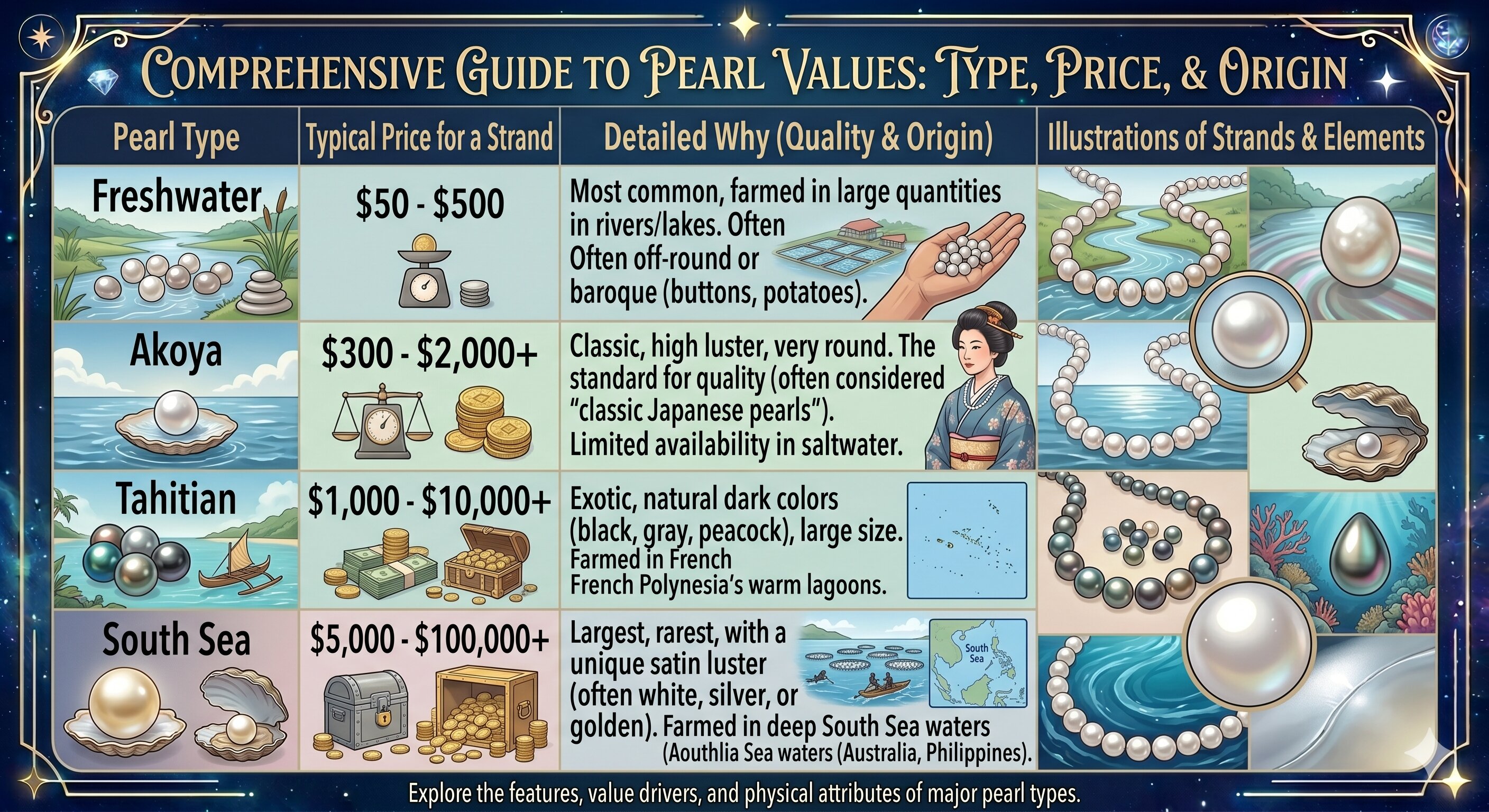
This is a crucial question, and the answer is: The price of a real pearl can range from under $50 to over $100,000.
This enormous range exists because pearls are not a single commodity like gold; their value is determined by a combination of factors. Think of it like asking "How much does a car cost?"—the price depends on whether it's a used Honda or a new Ferrari.
Here is a detailed breakdown of what influences the cost and the price ranges you can expect.
The 7 Factors That Determine a Pearl's Price
Type of Pearl: This is the biggest factor. The mollusk that produces the pearl defines its basic category and value range.
Luster: The most important quality factor. Sharp, mirror-like reflections command the highest prices. Dull, chalky pearls are worth very little.
Surface Quality: Fewer blemishes (spots, wrinkles, bumps) mean a higher value.
Shape: Perfectly round pearls are the rarest and most valuable. Symmetrical shapes (oval, button) are next, followed by baroque (irregular) shapes.
Size: Measured in millimeters, larger pearls are rarer and more expensive, all other factors being equal.
Color: While often a matter of taste, some colors are rarer than others (e.g., natural golden South Sea pearls).
Nacre Thickness: High-quality pearls have thick nacre, which makes them durable and lustrous. Thin nacre appears dull and can peel.
Price Ranges by Pearl Type
Here’s a practical guide from the most affordable to the most expensive.
1. Freshwater Pearls (Most Affordable)
Source: Mussels in freshwater lakes and ponds, primarily in China.
Key Trait: Often irregular in shape (baroque, potato, button), but modern cultivation produces near-round ones. They are solid nacre, making them durable.
Price Range:
A Single Strand: $50 - $500
A Single High-Quality Pearl: $20 - $100
A Pair of Earrings: $30 - $300
2. Akoya Pearls (The Classic)
Source: Saltwater oysters, primarily in Japan and China.
Key Trait: The classic "round, white, and shiny" pearl. Known for their brilliant, mirror-like luster and perfect roundness.
Price Range:
A Good Quality Strand: $300 - $2,000+
A Single High-Quality Pearl: $75 - $300
A Pair of Earrings: $150 - $1,000+
3. Tahitian Pearls (The "Black" Pearls)
Source: Saltwater oysters in French Polynesia.
Key Trait: Naturally dark colors, from silver and charcoal to peacock green and eggplant. They are large and exotic.
Price Range:
A Strand: $1,000 - $10,000+
A Single Pearl: $200 - $1,000+
A Pair of Earrings: $500 - $3,000+
4. South Sea Pearls (The Most Luxurious)
Source: The largest saltwater oysters in Australia, Indonesia, and the Philippines.
Key Trait: Large size (often 10mm-20mm) and a sublime, satiny luster. Colors are naturally white, silver, or golden.
Price Range:
A Strand: $5,000 - $100,000+
A Single Pearl: $500 - $5,000+
A Pair of Earrings: $2,000 - $20,000+
Summary Table for a Quick Overview
A Note on "Natural" vs. "Cultured" Pearls
Cultured Pearls (99.9% of the market): These are real pearls grown on a farm with human intervention. All the prices above are for cultured pearls.
Natural Pearls (Extremely Rare): These are pearls formed in the wild without any human help. They are astronomically expensive. A single natural pearl necklace can easily sell for hundreds of thousands or even millions of dollars at auction.
For current pearl market prices, visit the American Gem Society's pearl price guide.
Why Is Pearl Jewelry So Expensive?
This is an excellent question that gets to the heart of pearl value. Pearl jewelry is expensive because, unlike mined gemstones, the process of creating a single pearl is a feat of nature, time, and immense human effort.
Here are the key reasons why pearl jewelry commands such high prices, building on what we've discussed previously.
1. The Labor-Intensive and Risky Cultivation Process
Creating a cultured pearl is not like manufacturing a product. It's a form of farming with high stakes and no guarantees.
Surgery and Skill: Each oyster must be surgically implanted with a nucleus (a small bead) and a piece of mantle tissue. This requires a highly skilled technician. If done incorrectly, the oyster will reject the nucleus or die.
Long Growth Period: After implantation, the oysters are returned to the water. They are not "manufacturing pearls" on a schedule. The pearl grows at its own pace:
Akoya Pearls: 1-2 years
Tahitian & South Sea Pearls: 2-3 years
Freshwater Pearls: 2-6 years
High Mortality Rate: During this time, the oysters are vulnerable to predators, diseases, red tides, and water pollution. A single storm or a spike in temperature can wipe out an entire harvest. It's estimated that only about 50% of oysters survive to produce a pearl.
2. Extreme Rarity of High-Quality Pearls
This is the most critical point. While many oysters produce a pearl, very few produce a valuable one.
When a pearl farm harvests its oysters, they get a "crop" with a wide range of quality. Imagine a harvest of 100 Akoya oysters:
A large portion will produce pearls that are completely unsellable—badly misshapen, blemished, or with no luster. These are discarded.
Many will be of low quality, sold for a pittance for use in craft projects or cheap accessories.
Only a small fraction will be round, clean, and highly lustrous enough to be considered "gem quality."
To create a single necklace, a jeweler needs dozens of these gem-quality pearls that match in size, shape, color, and luster. This matching process is incredibly difficult and time-consuming, further increasing the cost of the final strand.
3. The "Five Virtues" of Pearl Quality
As we've discussed, the value of each pearl is judged on multiple, strict factors. Excelling in even one is rare; excelling in all is exceptional.
Luster: The most important factor. Sharp, mirror-like luster is rare and commands a massive premium.
Surface Quality: A flawless surface is extremely rare. The fewer blemishes, the higher the price.
Shape: Perfectly round pearls are the rarest shape. The rounder, the more expensive.
Color: While some colors are classic (white) and some are rare (natural golden), the color must be desirable and even.
Size: Larger pearls take longer to grow and are rarer, significantly increasing their price per pearl.
4. The Cost of Processing and Craftsmanship
Once a pearl is harvested, the work is not over.
Processing: Pearls are often lightly processed after harvest. This can include polishing, bleaching, and, in the case of Akoya pearls, pinking (adding a rosy overtone). This requires skill to enhance the pearl without damaging it.
Matching and Drilling: For a necklace, experts must spend hours sorting through thousands of pearls to find the 50-100 that are virtually identical. This is a painstaking art. Each pearl must then be carefully drilled by hand.
Stringing and Setting: High-end pearl necklaces are hand-knotted between each pearl. This prevents them from rubbing against each other and protects the entire strand if it breaks. The clasps on fine pearl jewelry are often made of precious metals (gold, platinum) and may be set with diamonds.
5. The Source and Brand
Type of Pearl: As we saw with pricing, a South Sea pearl from Australia is inherently more valuable than a freshwater pearl from China due to the size of the oyster, the longer cultivation time, and the rarity of the output.
Brand Reputation: Established jewelers like Mikimoto, who pioneered cultured pearls, command higher prices due to their legacy, guaranteed quality, and expert craftsmanship.
Is Pearl A Lucky Stone?
The short answer is: Yes, across many cultures and traditions, pearls are widely considered to be lucky stones. However, their "luck" is often specific and tied to their unique properties.
Here’s a breakdown of why pearls are seen as auspicious and in what contexts.
Why Pearls Are Considered Lucky
Symbol of Purity and Integrity: Their flawless, luminous appearance has long been associated with purity, innocence, and sincerity. It's believed that wearing a pearl can help you attract and maintain relationships built on honesty and loyalty, which is a form of "luck" in love and business.
A Symbol of Wisdom: As we've discussed, pearls are formed from a grain of sand, transformed into something beautiful through patience and resilience. This makes them a powerful talisman for gaining wisdom from life's irritations and challenges. The "luck" here is the wisdom to navigate difficult situations successfully.
Wealth and Prosperity: In many cultures, particularly in Chinese folklore, pearls are strongly associated with wealth and financial abundance. They are seen as symbols of the moon, which is linked to yin energy and prosperity. Displaying pearls or wearing them is thought to attract wealth and good fortune.
Protective Talisman: Historically, pearls were believed to offer protection. Sailors carried them to protect against the dangers of the sea. They were also thought to ward off negative energy, jealousy, and fire.
A Stone of Calm and Stability: Their soothing energy is believed to bring emotional balance and calmness. By helping the wearer feel more centered and less anxious, they can make better decisions—a form of creating your own "luck."
Cultural and Historical Beliefs in Pearl Luck
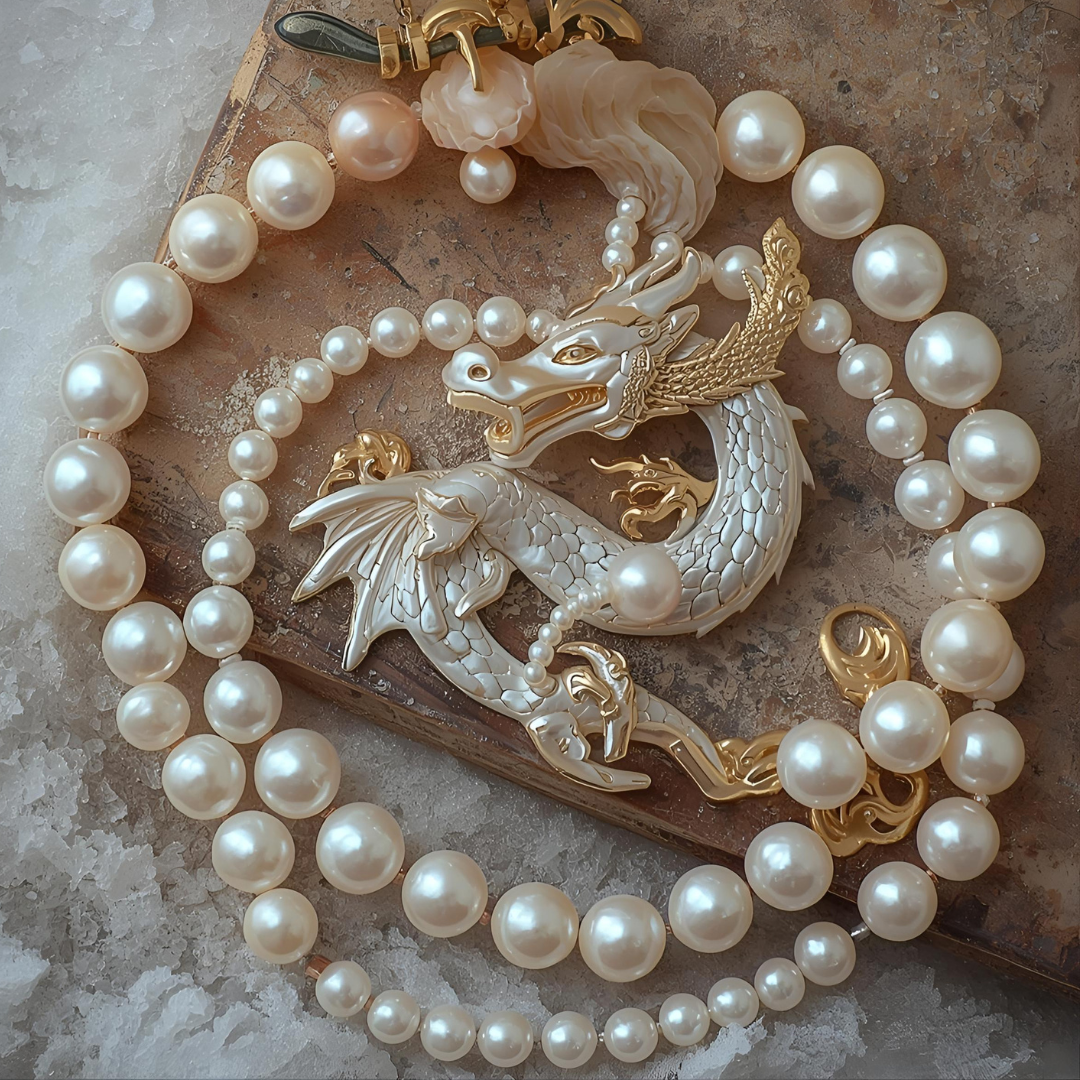
Ancient China: Pearls were associated with the powerful dragon and were believed to offer protection and wisdom.
Ancient Rome: Pearls were the ultimate symbol of wealth and status, and were considered sacred to Venus, the goddess of love. They were believed to promote marital harmony and happiness.
Hindu Astrology: The pearl is linked to the Moon (Chandra) in Vedic astrology. Wearing a pearl is believed to calm the mind, enhance emotional well-being, and counteract the negative influences of a weak Moon in one's birth chart.
Western Traditions: Pearls are the birthstone for June and are traditionally given as a 1st, 3rd, 12th, and 30th wedding anniversary gift, symbolizing a long and happy marriage.
A Note of Caution: The "Tears" Superstition
It's important to mention the counter-belief. In some cultures, there is a superstition that pearls symbolize tears and can bring sorrow. This likely stems from their teardrop-like shape.
Modern Interpretation: Most people today see this not as a prediction of sadness, but as an acknowledgment that pearls are formed from adversity. They represent the beauty that can come from life's struggles, making them a symbol of resilience rather than sorrow.
So, is a pearl a lucky stone?
Generally, yes. Pearls are overwhelmingly seen as powerful, positive talismans that bring:
Luck in Love and Relationships (through their purity and connection to Venus)
Luck in Wisdom (by helping you learn from challenges)
Luck in Wealth (especially in Chinese culture)
Luck in Protection (by warding off negative energy)
Ultimately, whether a pearl is "lucky" for you can be a personal belief. If you are drawn to their beauty and symbolism, wearing one can serve as a powerful reminder of your own inner strength, purity, and resilience—and that in itself is a form of good fortune.
Does Pearl Attract Money?
The answer is nuanced: Pearls are strongly symbolic of wealth and are believed to attract money and prosperity in many cultures, but they are not a magical financial solution.
Here’s a detailed breakdown of the connection between pearls and wealth:
Why Pearls Are Associated with Attracting Money
Historical Symbol of Wealth: For centuries, natural pearls were among the most valuable commodities on earth. They were so rare and expensive that they were essentially a form of currency and a definitive symbol of royalty and extreme wealth. This historical association is deeply ingrained in our perception of pearls.
Cultural Beliefs (Especially in Chinese Culture): This is the strongest link.
In Chinese culture, pearls are intricately linked to prosperity and financial abundance.
They are associated with the moon, which represents Yin energy, and are believed to attract calming, receptive, and abundant energy.
Pearls are also connected to the mythical dragon, a powerful symbol of power, luck, and wealth. Wearing pearls is thought to harness this auspicious energy.
A Symbol of Wisdom and Good Judgment: This is a more practical angle. Pearls are believed to enhance wisdom, integrity, and clarity. By wearing a pearl, the idea is that you may make wiser, more discerning business and financial decisions, thereby attracting financial success through your own improved judgment.
The "Transformation" Metaphor: A pearl is formed when an oyster transforms an irritant (a grain of sand) into something of immense beauty and value. This process is seen as a powerful metaphor for turning challenges into opportunities and attracting abundance from adversity.
The Important Distinction: Symbolism vs. Reality
It's crucial to understand the difference:
Symbolic & Energetic Attraction: In metaphysical and cultural traditions, pearls are used as a talisman or tool to focus one's intention on attracting wealth, reinforcing a mindset of abundance, and promoting wise action.
Literal Attraction: A pearl itself will not magically make money appear in your bank account. Its value in attracting wealth lies in its ability to influence your mindset and behavior.
How to Use Pearls with the Intention of Attracting Money
If you want to harness this symbolism, you can:
Wear Pearl Jewelry: Especially in a professional setting to promote a mindset of clarity, wisdom, and integrity in your dealings.
Place Pearls in Your Wealth Area: In Feng Shui, the far-left corner of your home or office (from the front door) is considered the "wealth area." Placing a pearl or a pearl object there is believed to activate financial energy.
Use Them as a Focus for Meditation: Hold a pearl while meditating on your financial goals and the wisdom needed to achieve them.
Final Verdict
Do pearls attract money? In a literal, magical sense, no.
However, as a powerful historical symbol of wealth and a cultural talisman for prosperity, they can serve as a meaningful focus for your intentions. They can help cultivate a mindset of wisdom, integrity, and abundance—which are the true foundations for attracting and building lasting wealth.
What Is The Color Of Pearl Stone?
The color of a pearl is one of its most enchanting features, and it's far more complex than many people realize.
The short answer is: The classic and most common color for a pearl is white or creamy white.
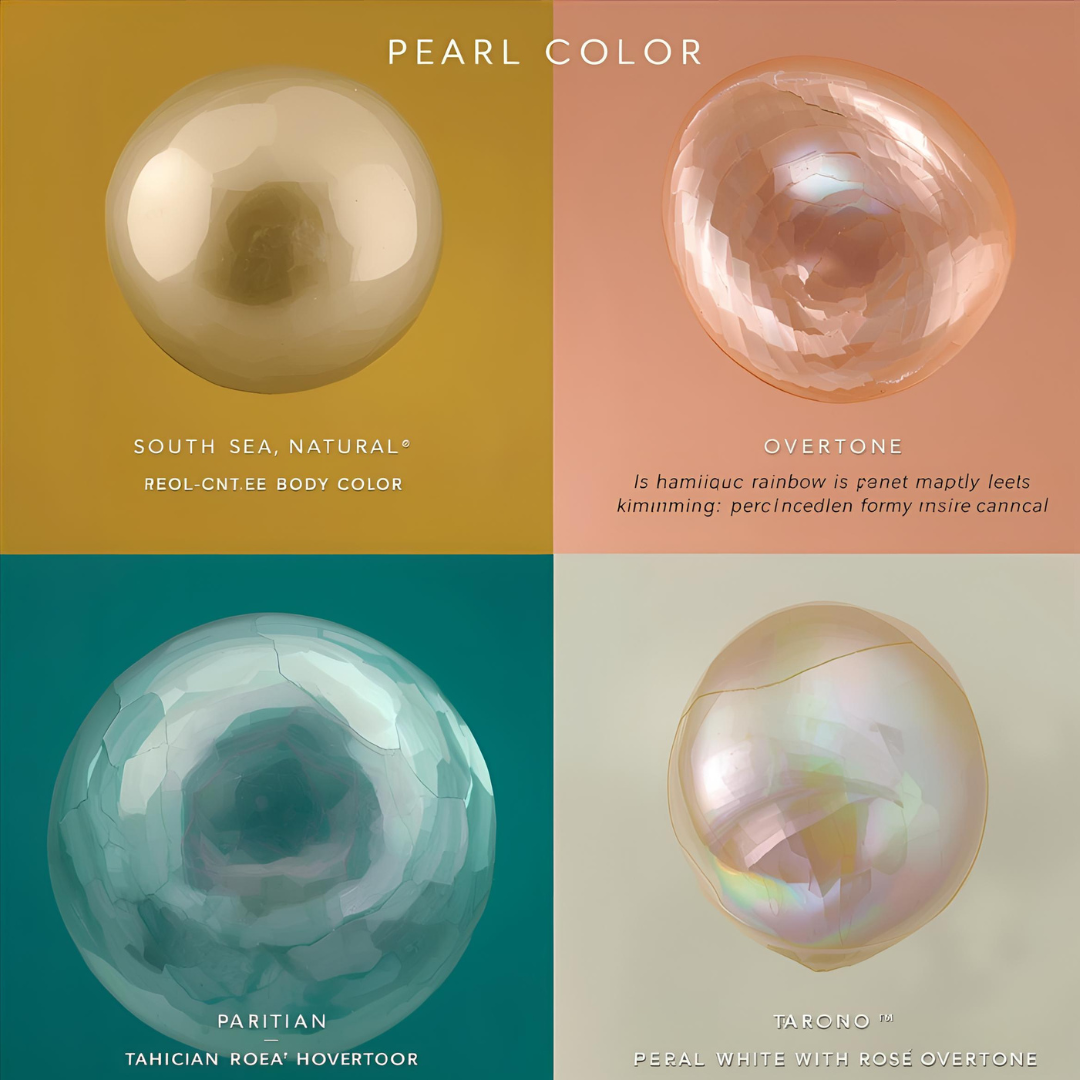
However, the full answer is much more beautiful and varied. A pearl's color is a combination of its body color, overtone, and orient.
The Three Layers of Pearl Color
Bodycolor: This is the pearl's primary, overall color. Think of it as the base coat.
Overtone: This is a translucent, secondary color that seems to float over the body color. It's what gives pearls their incredible depth. A white pearl with a rosy overtone will look different from a white pearl with a green overtone.
Orient: This is the rarest and most magical effect. It's a shimmering, iridescent rainbow of colors that seems to come from deep within the pearl, caused by the way light diffracts through the layers of nacre.
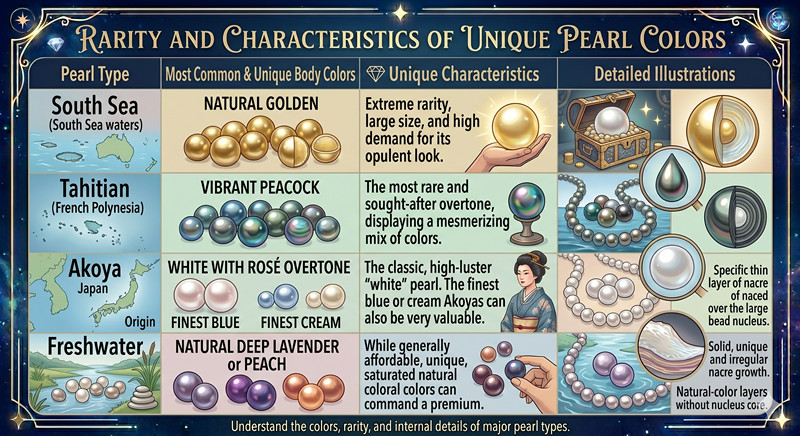
A Spectrum of Natural Pearl Colors by Type
Pearls come in a stunning array of natural colors, largely determined by the type of mollusk that produces them.
What Causes the Different Colors?
The color of a pearl is influenced by several factors, and it's a natural process that isn't fully controlled by humans:
The Mollusk Species: The most important factor. Different species of oysters and mussels have different lip colors and secrete nacre with varying pigments.
Water Composition: The minerals and nutrients in the water can influence the color.
The Nucleus: In cultured pearls, the color of the implanted bead nucleus can sometimes subtly influence the final pearl color.
Trace Elements: The presence of trace metals in the water can lead to specific colors.
The natural color of a pearl is most commonly white, but high-quality pearls can naturally be cream, pink, lavender, gray, gold, silver, and even black with green overtones.
“You now know the symbolism, the personality, the care secrets, the price ranges, and the colors. The only question left: will you wear the moon‘s gift?
Our current collection includes a limited number of high-quality pearls — from classic white Akoya to rare golden South Sea and peacock Tahitian. When natural-color pearls of this grade are gone, sourcing matching strands can take months.
This is not just a birthstone. It is 5,000 years of moonlight and miracles — the only gem born from life, for your life.”
[Button: Claim Your Pearl (Limited) →]


Other news for Wednesday 10 June, 2026
View all news for Wednesday 10 June, 2026 on one page
News for Tuesday 09 June, 2026
- Heart Ring Guide: Meaning, Wearing Direction, Finger and Symbolism
- Demystifying Quartz Stone: Everything You Need To Understand
- Aquamarine Birthstone: Complete Guide (2026 Update)
View all news for Tuesday 09 June, 2026 on one page
Recent News
- Monday 08 June, 2026
- Sunday 07 June, 2026
- Saturday 06 June, 2026
- Friday 05 June, 2026
- Thursday 04 June, 2026