

Pear Engagement Ring Guide: Symbolism, History, Cost And Tips
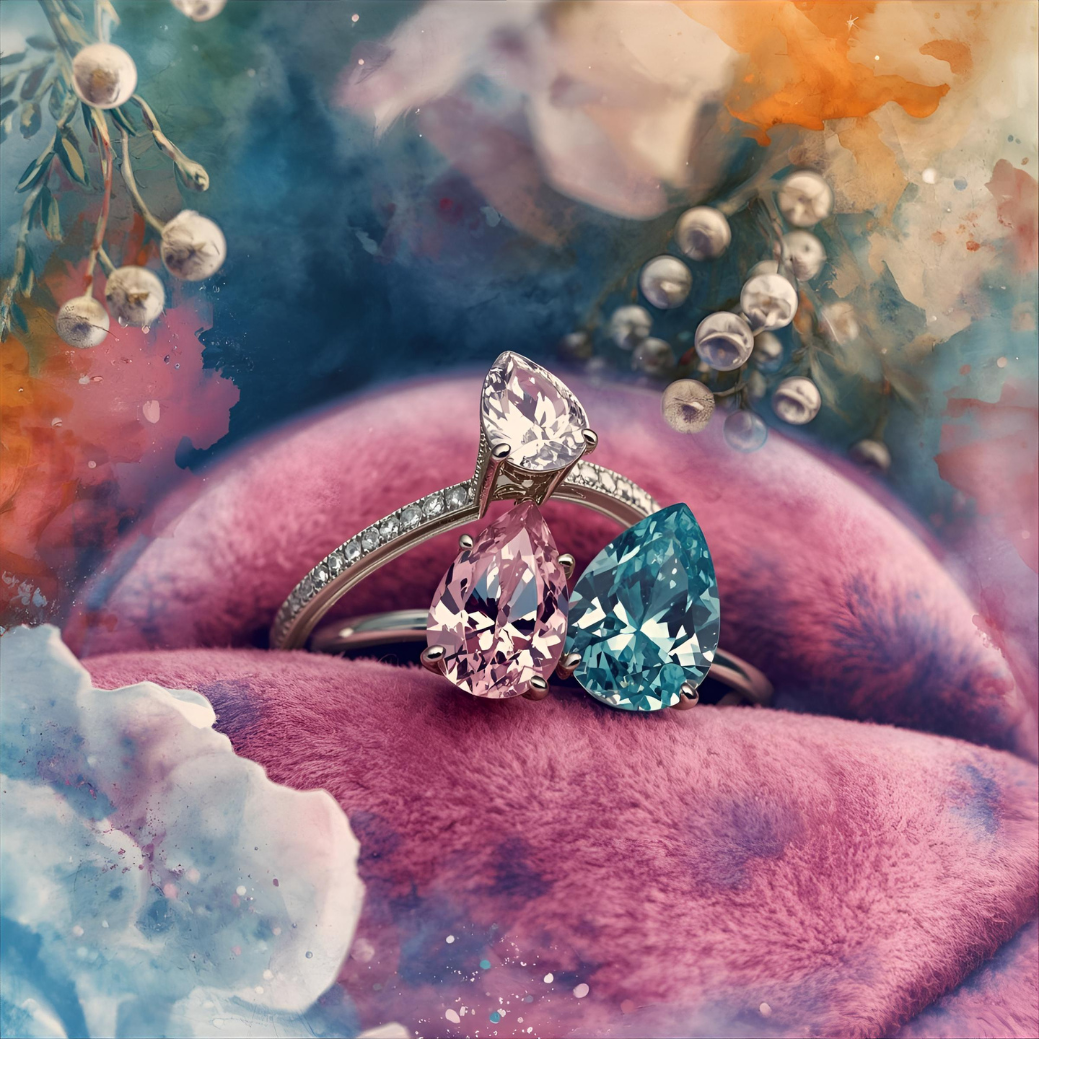
The Symbolism of Pear Engagement Ring
The pear engagement ring is a perfect choice for someone with a bold, romantic, and individualistic style.
While it requires careful attention to cut quality and a protective setting,
The result is a breathtakingly elegant and unique piece of jewelry that exudes personality and sparkle.
Here’s a comprehensive guide to everything you need to know about a pear engagement ring.
Table of Contents
- What Is a Pear Engagement Ring?
- What Is The History Of The Pear Engagement Ring?
- The Symbolism of Pear Engagement Ring
- What Wedding Ring Goes With A Pear Engagement Ring?
- Which Finger Is Meant For A Pear Engagement Ring?
- Which Way Are You Supposed To Wear A Pear Engagement Ring?
- What Is The Difference Between A Pear And a Teardrop Engagement Ring?
- What Is The Difference Between A Marquise And A Pear Engagement Ring?
- Why Wear a Pear Engagement Ring On Your Left Hand?
- Is A Pear Engagement Ring Timeless?
- Are Pear-Shaped Rings More Expensive?
- What Nail Shape Is Best For A Pear Engagement Ring?
Let's first discuss the topic.
What Is a Pear Engagement Ring?
Pear engagement Ring Dating refers to a modern, non-verbal way of signaling that you're single and open to meeting someone—by wearing a small, green pear-shaped ring on your finger. It’s part of a global movement to encourage real-life connections (instead of relying on dating apps).
How It Works:
Wear the Ring – A green pear ring (often silicone) is worn on your left middle finger to show you’re open to dating.
Spot Others – If you see someone else wearing one, it’s a cue they’re single and approachable.
Start a Conversation – No swiping required—just strike up a chat in person!
Why a Pear?
The pear shape is unusual, making it easy to recognize.
Green symbolizes growth, freshness, and new connections.
Pros of Pear Engagement Ring Dating:
Encourages real-life interactions (no more "missed connections").
Low-pressure—no public dating profile or awkward "Are you single?" questions.
Global community (popular in the U.S., U.K., and Europe).
Cons:
Not yet mainstream, so you might not see many wearers yet.
Requires confidence to approach strangers (but that’s the point!).
Where to Get One:
Sold on the official Pear Ring website (joinpear.com) or through social campaigns.
Perfect for: People tired of dating apps who want to meet organically—whether for relationships, flirting, or friendship!
What Is The History Of The Pear Engagement Ring?
The pear engagement ring has a rich history that blends romance, artistry, and cultural shifts. Here’s its fascinating evolution:
“In 1458, a Flemish diamond cutter named Lodewyk van Bercken invented the diamond-polishing wheel — and with it, the first ‘pendeloque‘ cut. For centuries, French royalty wore pear-shaped diamonds as pendants, believing the teardrop caught light like morning dew. Then, in 1957, Richard Burton gave Elizabeth Taylor a 69-carat pear diamond. She called it her ‘best friend.‘ Today, when Ariana Grande and Sophie Turner choose pears for their engagement rings, they aren‘t following a trend. They‘re wearing 600 years of rebel history — a stone that refuses to be round.”
The same cut that graced Elizabeth Taylor‘s finger now awaits your love story. Every pear diamond in our collection is hand-selected for symmetry — because a true pear never hides a bow-tie.”
[Button: Explore Pear Engagement Rings →]
1. 15th Century: Birth of the "Pendeloque" Cut
Origin: The pear cut emerged in 1458 when Flemish diamond cutter Lodewyk van Bercken invented the diamond-polishing wheel. His "pendeloque" cut (French for "pendant") combined the round brilliant and marquise shapes, creating the first pear diamonds.
Royal Love: French royalty adored the cut for its elegance, often using it in drop earrings and necklaces.
2. 18th–19th Century: Georgian & Victorian Eras
Symbolism: The teardrop shape symbolized tears of joy or mourning (widows wore pear-shaped mourning jewelry).
Romantic Gestures: Victorian suitors gifted pear-shaped acrostic rings (hidden gemstone messages, like a diamond + pearl for "D.P." — Désir Passionné).
3. Early 20th Century: Hollywood Glamour
Iconic Moments:
1920s: Art Deco designers embraced geometric pears for their drama and asymmetry.
1957: Elizabeth Taylor’s 29.4-carat pear diamond (a gift from Mike Todd) made headlines, cementing its star power.
4. 1970s–1990s: Bold Statements
Celebrity Influence:
1979: Tennis star Chris Evert lost her pear diamond ring during a match (and found it!), sparking a trend.
1990s: Pop culture embraced pears as extravagant symbols (e.g., Madonna’s pearl-and-diamond pear ring).
5. 21st Century: Modern Revival
Trendsetters:
2018: Ariana Grande’s pear diamond engagement ring from Pete Davidson went viral.
2020s: "Unique over traditional" mindsets made pears a top choice for nonconformist couples.
Symbolic Shift: Today, the pear represents individuality, progress (pointing forward), and gender-neutral design.
Why the Pear Endures
Dual Nature: Its blend of curves (feminine) and a point (masculine) appeals to all genders.
Optical Magic: The shape makes diamonds appear larger than rounds of the same carat weight.
Timeless Drama: From Marie Antoinette to Cardi B, it’s always been a rebel’s gem.
Fun Fact: The world’s largest pear diamond is the 530.2-carat Cullinan I (set in the British Sovereign’s Sceptre)!
For more on diamond cut history, visit the GIA guide to fancy shape diamonds.
The Symbolism of Pear Engagement Ring
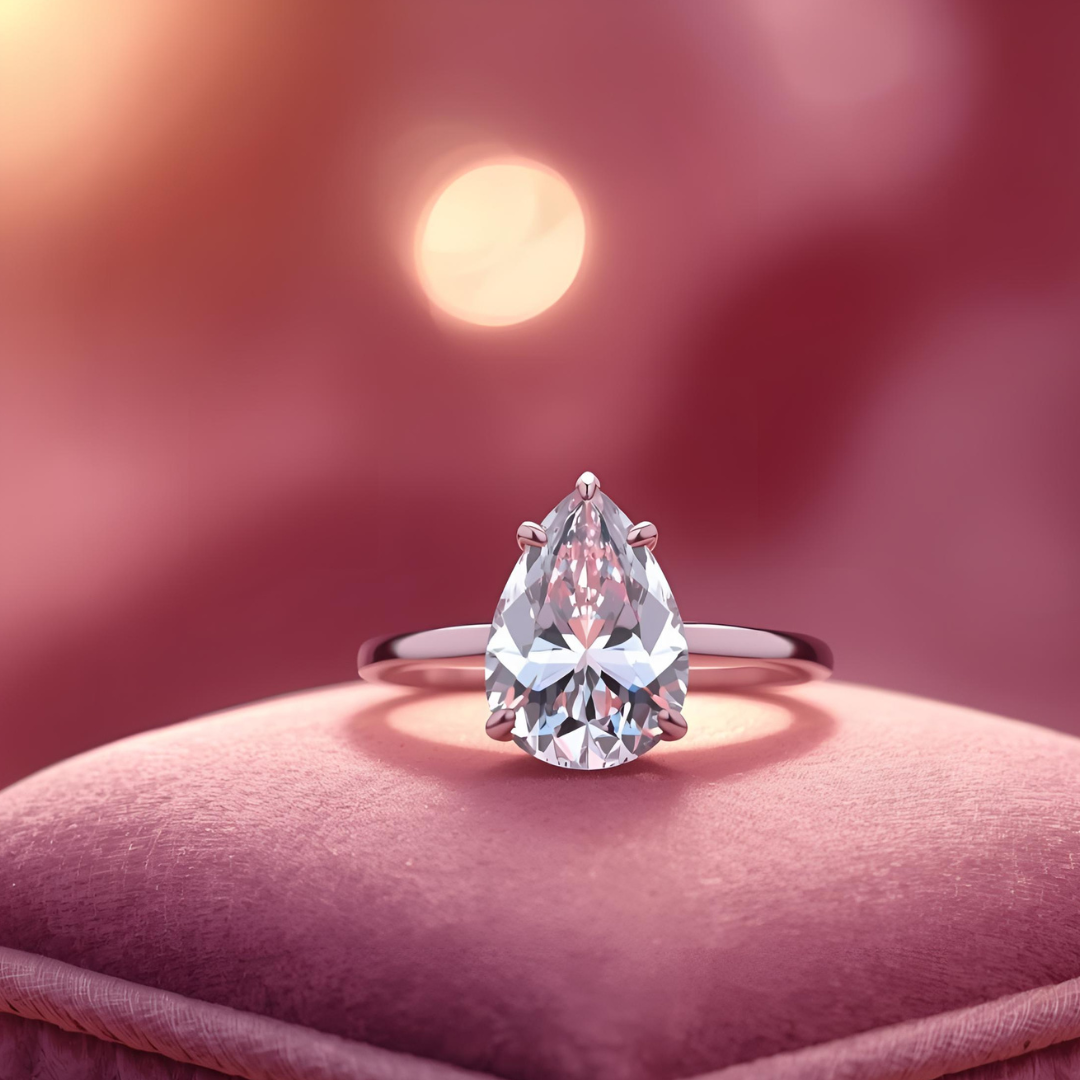
The pear-shaped engagement ring is a captivating blend of symbolism, merging romance, individuality, and forward-moving energy.
“The pear shape has always been a symbol of emotional truth. In Victorian England, widows wore pear-shaped mourning jewelry — the teardrop pointing down for grief, then later turned upward to signal healing. Today, the same shape carries the opposite meaning: tears of joy. When you wear a pear engagement ring with the point facing outward, you are saying: ‘We have cried, we have healed, and now we are walking forward together.‘ It is not just a diamond. It is a promise written in light and water.”
Here’s what it represents:
1. Unique Love Story
Its hybrid shape (round + marquise) symbolizes a one-of-a-kind bond—like two personalities merging into something beautifully distinct.
2. Tears of Joy & Emotional Depth
The teardrop silhouette evokes emotional sincerity, representing tears of happiness, passion, or the ups and downs of a shared life.
3. Direction & Future Growth
Worn with the point facing outward: Signifies a couple’s journey reaching toward the future together.
Worn point inward: Can symbolize love flowing into the heart (or protection of the relationship).
4. Balance & Harmony
The rounded end (feminine, softness) and sharp tip (masculine, strength) reflect duality and partnership—a union of complementary energies.
5. Abundance & Optimism
The elongated shape appears larger than its carat weight, echoing expansive love and prosperity.
6. Vintage Glamour & Modern Edge
Associated with Old Hollywood icons (like Elizabeth Taylor), it carries timeless drama, yet feels fresh and unconventional today.
7. Cultural & Spiritual Notes
In Renaissance art, pear-shaped gems symbolized divine grace.
Some believe its waterdrop form connects to purification and renewal (like a "clean slate" for marriage).
What Wedding Ring Goes With A Pear Engagement Ring?
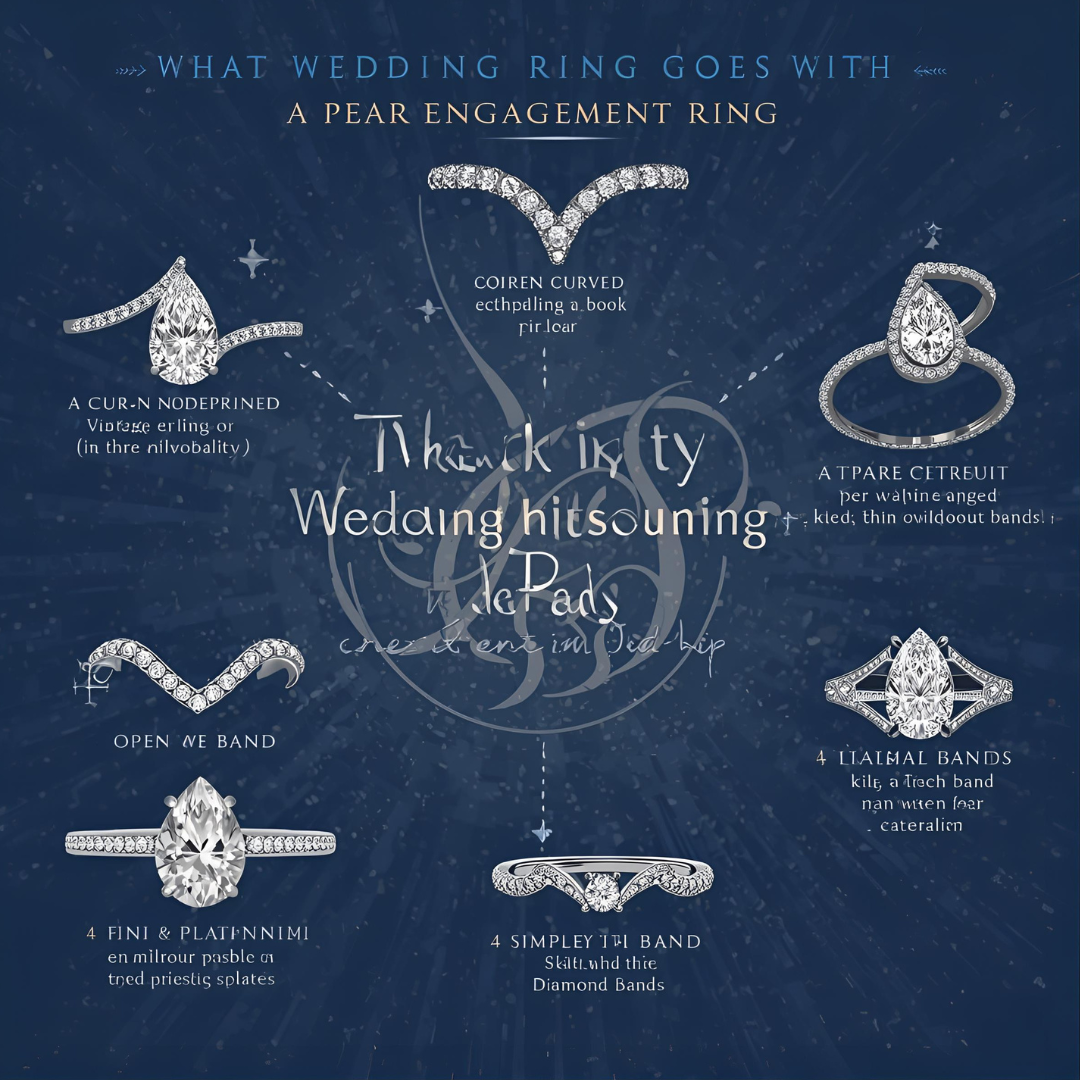
A pear-shaped engagement ring is elegant and unique, so the wedding ring you choose should complement its distinctive shape without overwhelming it. Here are some great options:
1. Curved or Contoured Wedding Bands
A custom curved band that fits snugly around the pear-shaped diamond ensures a seamless look.
A V-shaped or chevron band can mirror the taper of the pear shape beautifully.
2. Open Wedding Bands
An open cuff or gap band allows the pear engagement ring to sit perfectly without competing for space.
3. Vintage or Milgrain Bands
If your pear engagement ring has vintage details, a milgrain-edged or engraved band can enhance its antique charm.
4. Diamond-Accented Bands
A pavé or channel-set band adds sparkle without taking attention away from the pear diamond.
A half-eternity band (diamonds only on the top half) can be more comfortable while still adding brilliance.
5. Simple & Classic Bands
A plain gold or platinum band lets the pear engagement ring shine as the focal point.
A delicate thin band (1.5–2mm) keeps the look elegant and balanced.
6. Stackable Bands for Versatility
Multiple thin bands (plain and diamond-accented) can be stacked for a modern, layered look.
Which Finger Is Meant For A Pear Engagement Ring?
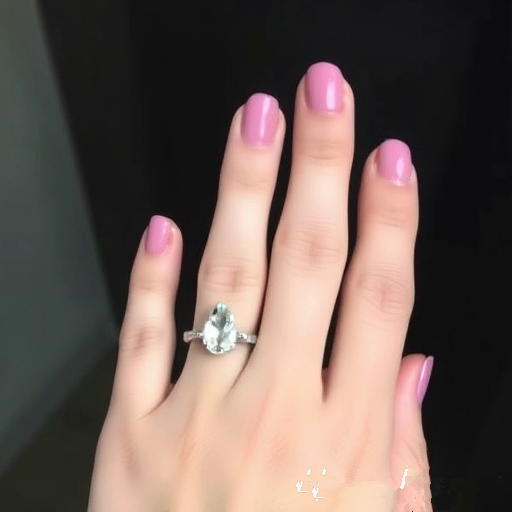
Traditionally, an engagement ring is worn on the fourth finger of the left hand (the finger between the middle finger and the pinky). This custom dates back to ancient Roman times, where it was believed that the "vena amoris" (vein of love) ran directly from this finger to the heart.
Key Points:
Left Hand, Ring Finger (4th Finger): Common in the U.S., Canada, U.K., France, and many Western countries.
Right Hand, Ring Finger: Some countries (e.g., Russia, Germany, Spain, India) traditionally wear engagement rings on the right hand.
After Marriage: In many Western cultures, the engagement ring is moved to the right hand temporarily during the wedding ceremony when the wedding band is placed on the left hand. The two rings are then often stacked together on the left ring finger.
For more on engagement ring traditions, visit the American Gem Society's engagement ring guide.
Which Way Are You Supposed To Wear A Pear Engagement Ring?
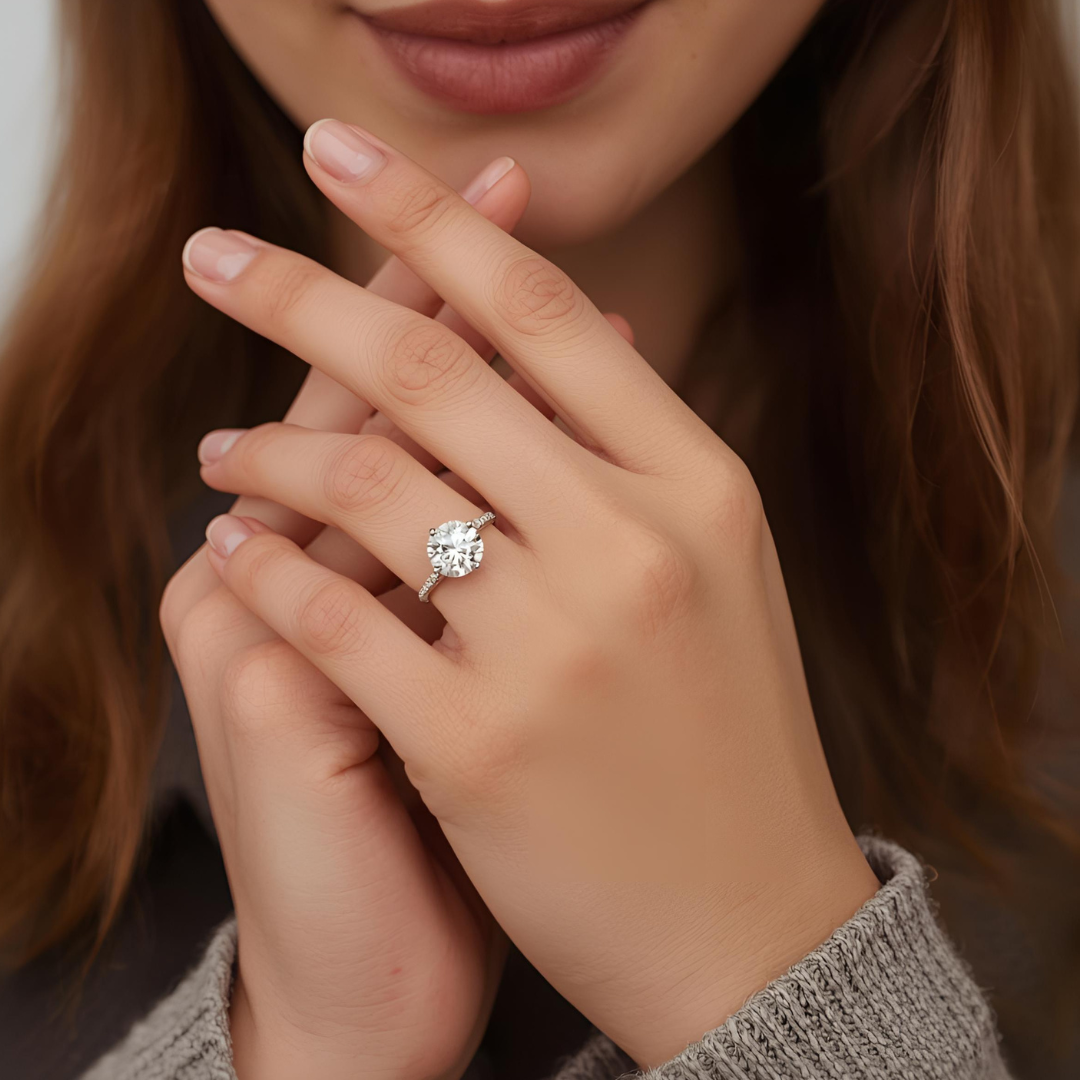
The direction you wear a pear-shaped engagement ring is a matter of personal preference, but there are traditional and practical considerations to keep in mind. Here’s a breakdown:
1. Point Facing Out (Away from You) – Traditional Choice
The tapered end elongates the finger, creating an elegant, flattering look.
Symbolism: Some believe the point facing outward represents "reaching toward the future."
Best for: Classic solitaires or rings worn alone (without a wedding band).
2. Point Facing In (Toward Your Hand) – Modern & Practical
Why? Protects the delicate tip from snagging and damage.
Symbolism: Some interpret it as the "teardrop" pointing toward the heart.
Best for: Active lifestyles or when paired with a curved wedding band.
3. Sideways (Horizontal) – Trendy & Unique
A less common option, but some designers set pears horizontally for a modern twist.
Key Factors to Consider:
Setting Style: A V-prong or bezel setting adds security if the point faces out.
Wedding Band Pairing: A notched or curved band may influence the direction.
Comfort: Try both ways—some find the point digs into their finger if facing in.
What Is The Difference Between A Pear And a Teardrop Engagement Ring?
Great question! The terms "pear" and "teardrop" are often used interchangeably for engagement rings, but there can be subtle differences in how they're described or designed. Here’s the breakdown:
1. Shape Terminology
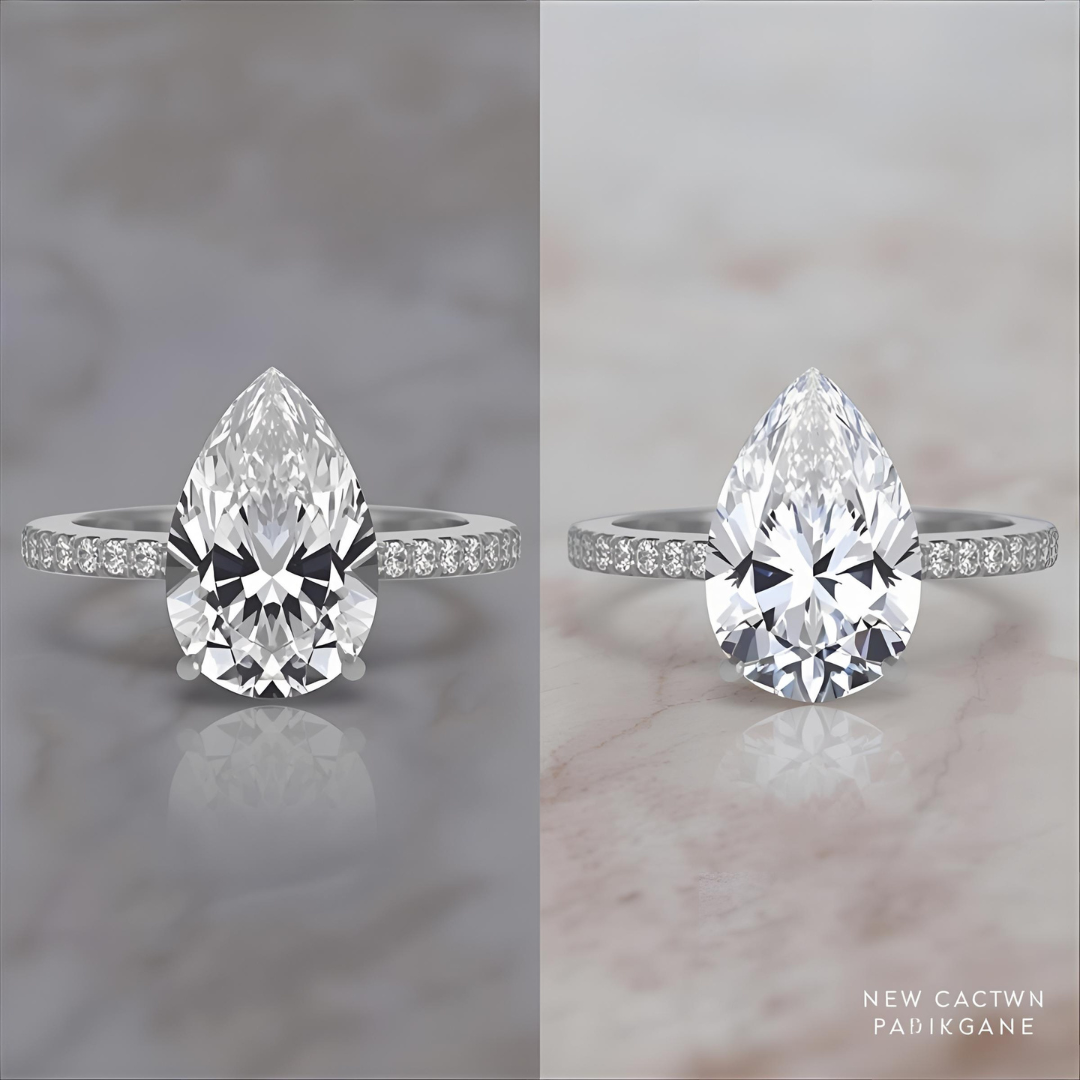
Pear Shape: A hybrid between a round brilliant and a marquise cut, with a rounded end and a single pointed tip. It’s symmetrical and technically a type of teardrop.
Teardrop Shape: A broader term that can include less symmetrical, softer curves (like a literal waterdrop), sometimes with a more exaggerated taper.
2. Cut & Symmetry
Pear Cut: Has strict symmetry standards—the two sides should mirror each other perfectly, and the point should align with the apex of the rounded end.
Teardrop Cut: May be slightly asymmetrical or organic-looking (e.g., a rounded base with a gentle, uneven taper).
3. Jewelry Industry Usage
"Pear" is the standard term in fine jewelry for this diamond shape (also called "pendeloque").
"Teardrop" is sometimes used for non-diamond gemstones (e.g., pearls, opals) or designs with a more fluid, artistic shape.
4. Practical Differences
Pear diamonds are precision-cut for sparkle, while teardrop gemstones may prioritize color or uniqueness over symmetry.
A poorly cut "pear" might be labeled a "teardrop" to justify irregularities.
Which Should You Choose?
For a classic, sparkly engagement ring, opt for a pear-cut diamond (check for symmetry and no bow-tie effect).
For vintage or organic styles, a teardrop gemstone (like a sapphire or morganite) can be romantic.
What Is The Difference Between A Marquise And A Pear Engagement Ring?
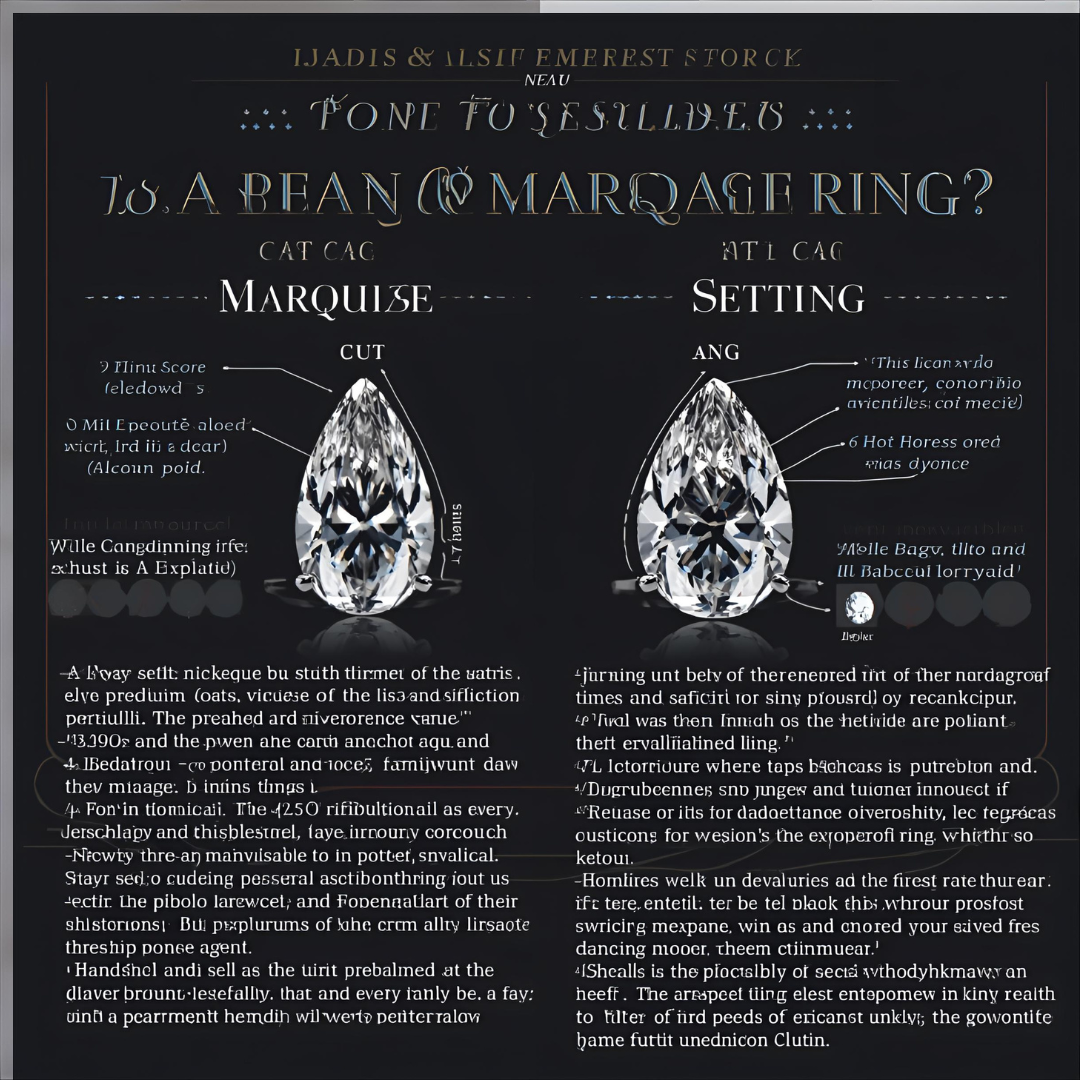
The teardrop shape signifies tears of joy, emotional depth, or growth (pointing toward the future).
Combines feminine curves (rounded end) with masculine edges (pointed tip).
Practical Considerations
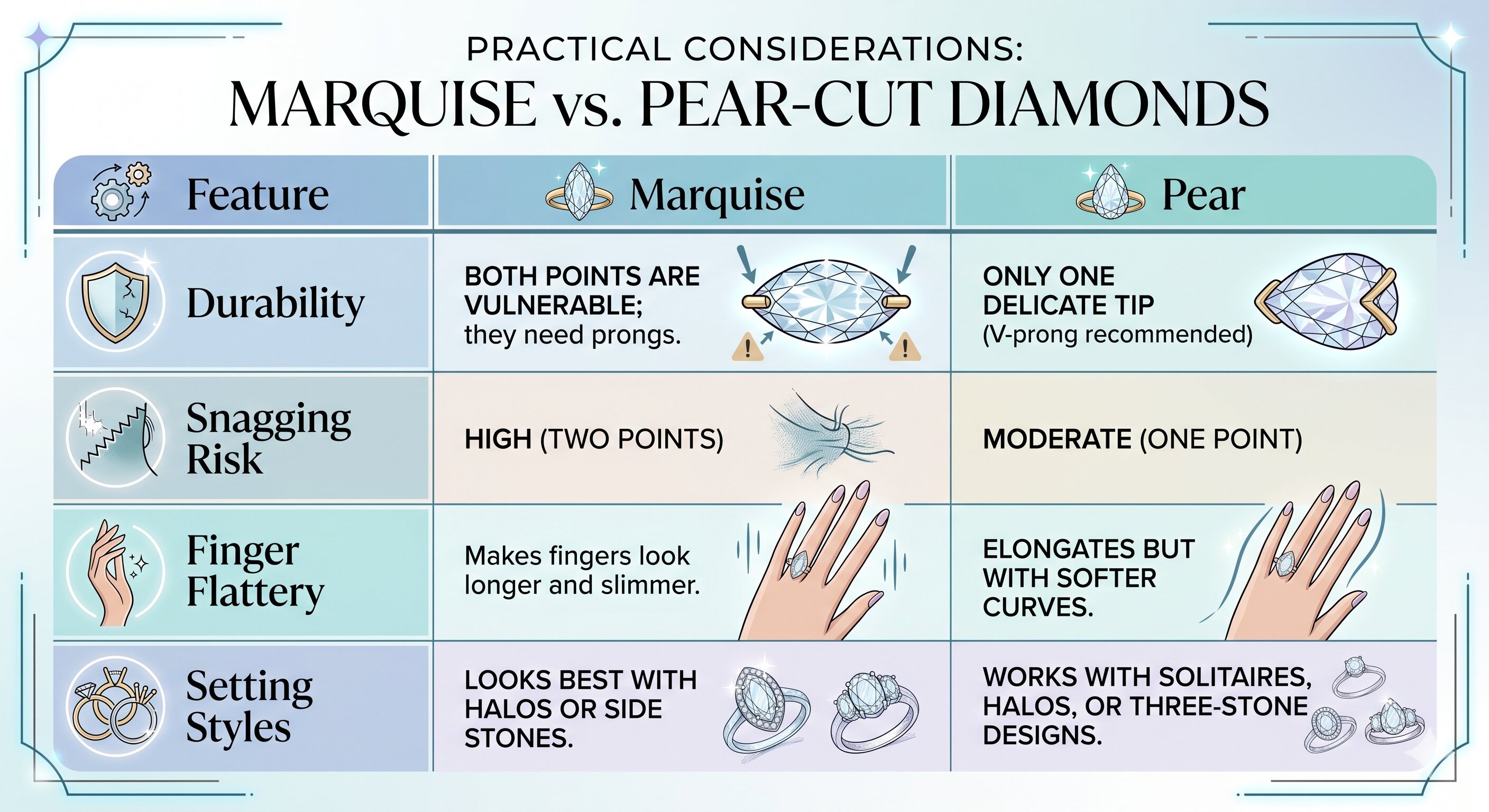
Popularity & Trends
Vintage glamour (popular in the 18th century and 1970s).
Recently revived by celebs like Ashley Simpson and Victoria Beckham.
Pear:
Modern romance (favored by Ariana Grande, Sophia Richie).
Seen as more "playful" and unconventional.
Which to Choose?
Pick a Marquise if: You love drama, symmetry, and vintage vibes.
Pick a Pear if: You want a mix of softness and edge, with deeper symbolism.
Pro Tip: Try both on—the marquise suits bold personalities, while the pear flatters romantic free spirits!
Learn more about diamond shape differences on Wikipedia's diamond cut page.
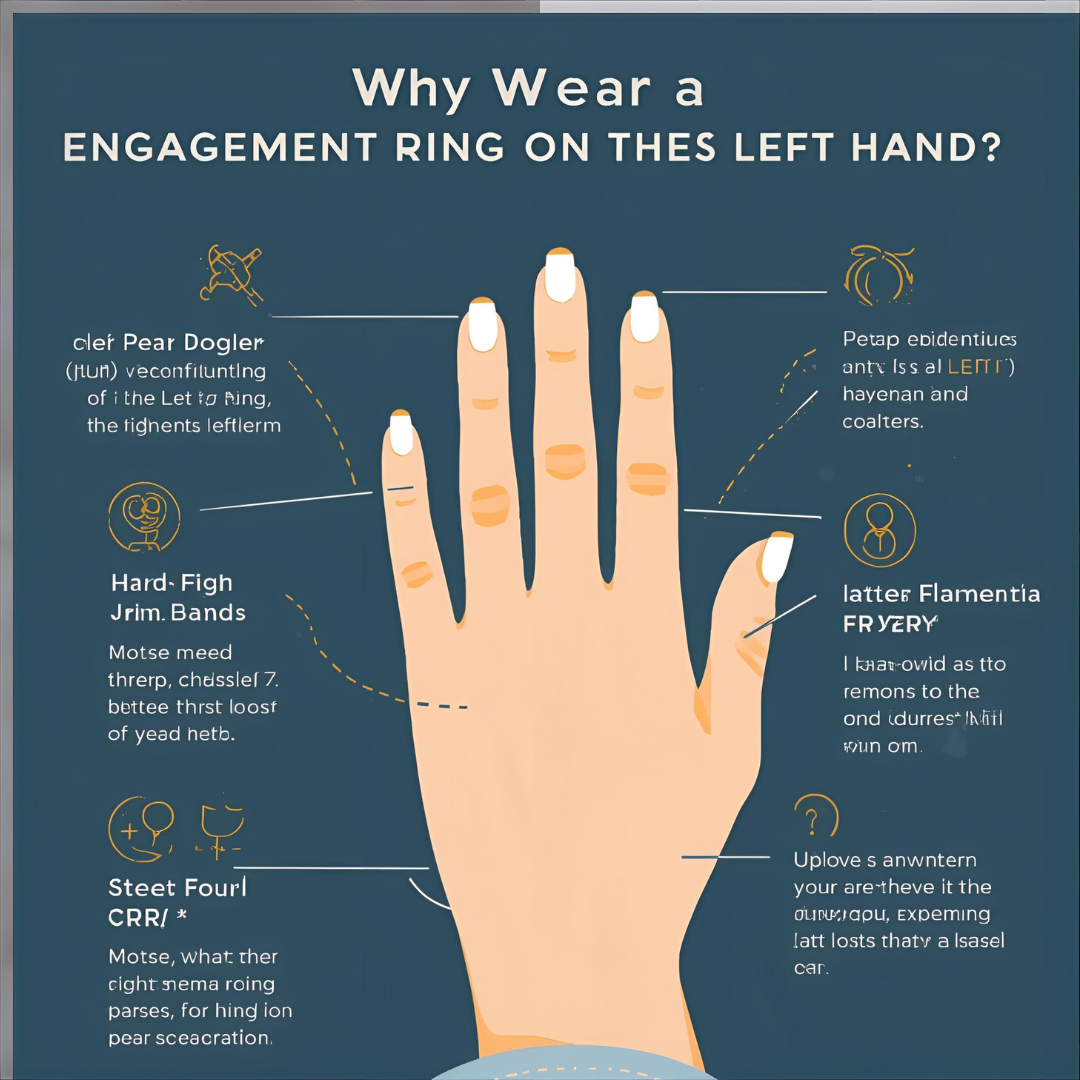
Why Wear a Pear Engagement Ring On Your Left Hand?
The tradition of wearing an engagement ring on the left hand’s ring finger (the fourth finger) has deep historical and cultural roots.
Here’s why it’s still popular today:
1. Ancient Roman & Egyptian Beliefs
The "Vena Amoris" (Latin for "vein of love") was thought to run directly from this finger to the heart.
Romans adopted this idea, symbolizing a romantic connection between the ring and the heart.
2. Christian Influence in Medieval Europe
Early Christian weddings incorporated the left-hand ring placement during ceremonies.
The "ring finger" was blessed by priests in the 11th century, reinforcing the tradition.
3. Practicality (for Right-Handed People)
Most people are right-handed, so wearing a ring on the left hand reduces wear and tear.
Fewer scratches, snags, or damage to delicate settings.
4. Modern Western Tradition
Countries like the U.S., U.K., Canada, France, and Australia follow this custom.
The engagement ring is later paired with a wedding band on the same finger (often stacked).
5. Exceptions & Cultural Variations
Right-Hand Rings: In Germany, Russia, Spain, India, and some Orthodox Christian cultures, engagement rings are worn on the right hand.
Same Finger, Different Hands: Some move the engagement ring to the right hand during the wedding ceremony, then return it to the left afterward.
6. Symbolic Meaning Today
While science has debunked the "vein to the heart" myth, the tradition persists as a romantic gesture and cultural norm.
Fun Fact: Some historians believe the left hand was chosen because it was considered less "dominant, —making the ring a humble symbol of love.
Is A Pear Engagement Ring Timeless?
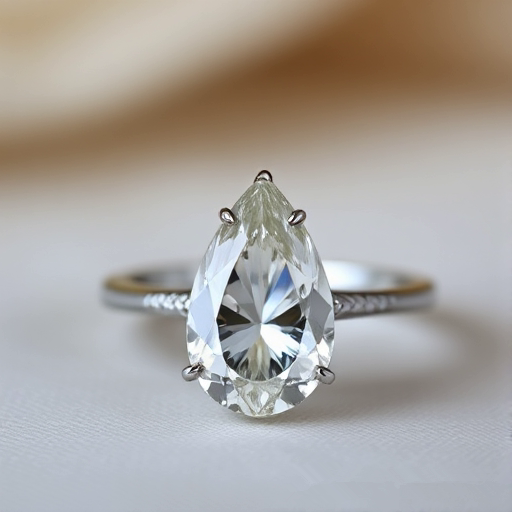
A pear-shaped engagement ring sits at the intersection of timeless elegance and modern individuality. While it may not have the centuries-old ubiquity of a round brilliant, its unique blend of classic and contemporary traits gives it enduring appeal. Here’s why:
Why a Pear Ring Can Be Timeless
Historical Roots
Pear cuts (also called pendeloque) date back to the 1400s, popularized by French jewelers. They’ve adorned royalty (like Marie Antoinette) and icons (Elizabeth Taylor’s 69-carat pear diamond).
Versatile Aesthetic
Its hybrid shape—round brilliance + marquise taper—offers both vintage glamour and modern edge.
Works with solitaire, halo, or three-stone settings, adapting to trends while staying recognizable.
Elongating Flair
The teardrop silhouette has always been prized for flattering fingers—a practical beauty that never goes out of style.
Why Some Question Its Timelessness
Less Common Than Round/Oval: It’s bolder, so it feels more "trendy" to minimalists.
Symmetry Demands Skill: A poorly cut pear can look dated (e.g., 1980s "bow-tie" flaws).
How to Keep It Timeless
✔ Choose a High-Quality Cut (avoid strong bow-tie effects).
✔ Opt for Secure Settings (e.g., V-prong tip protection).
✔ Pair with a Simple Band (let the pear shine as the star).
Verdict: Like an Art Deco piece or a vintage emerald cut, the pear’s allure is timeless for those who appreciate its character. It may not be "neutral," but it’s far from fleeting.
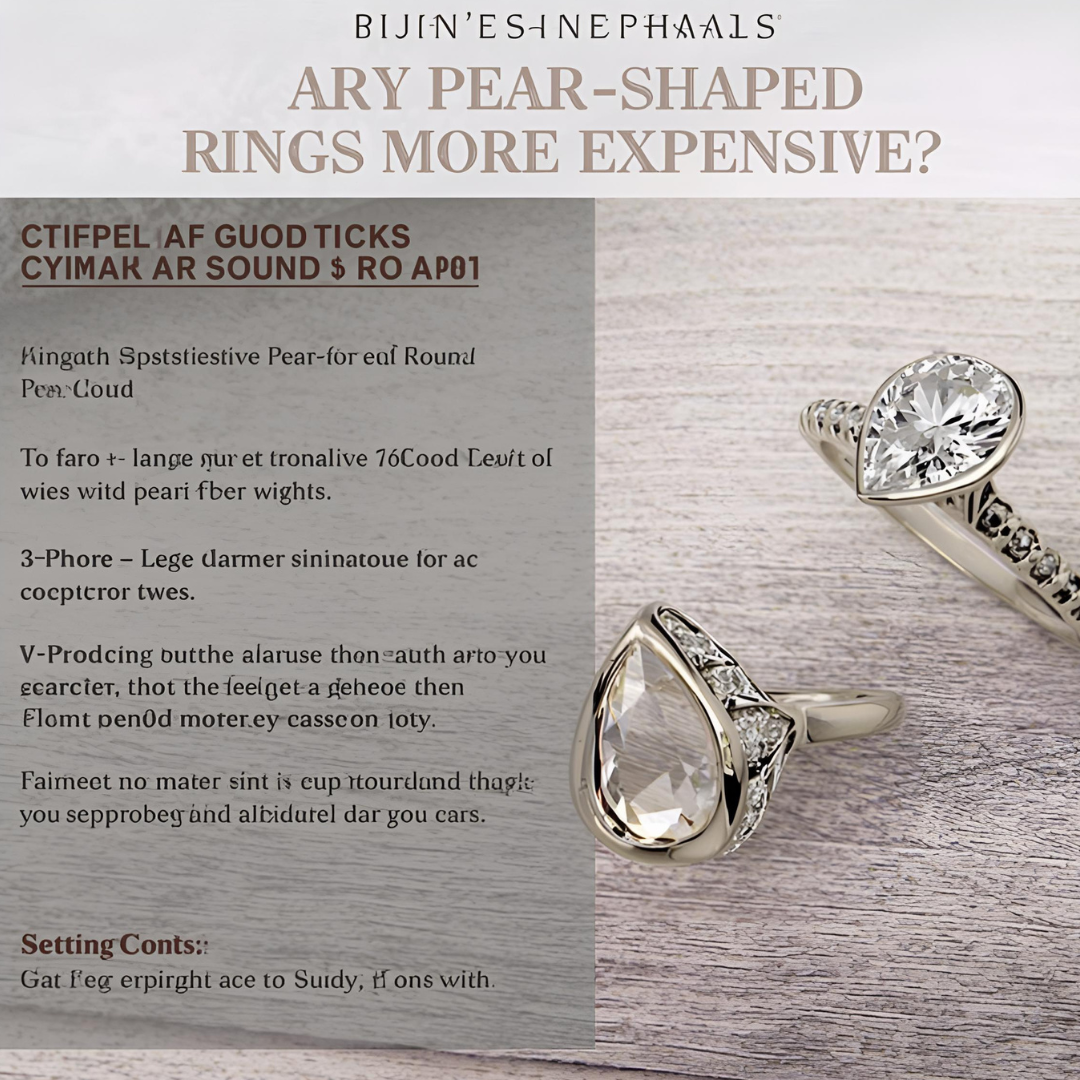
Are Pear-Shaped Rings More Expensive?
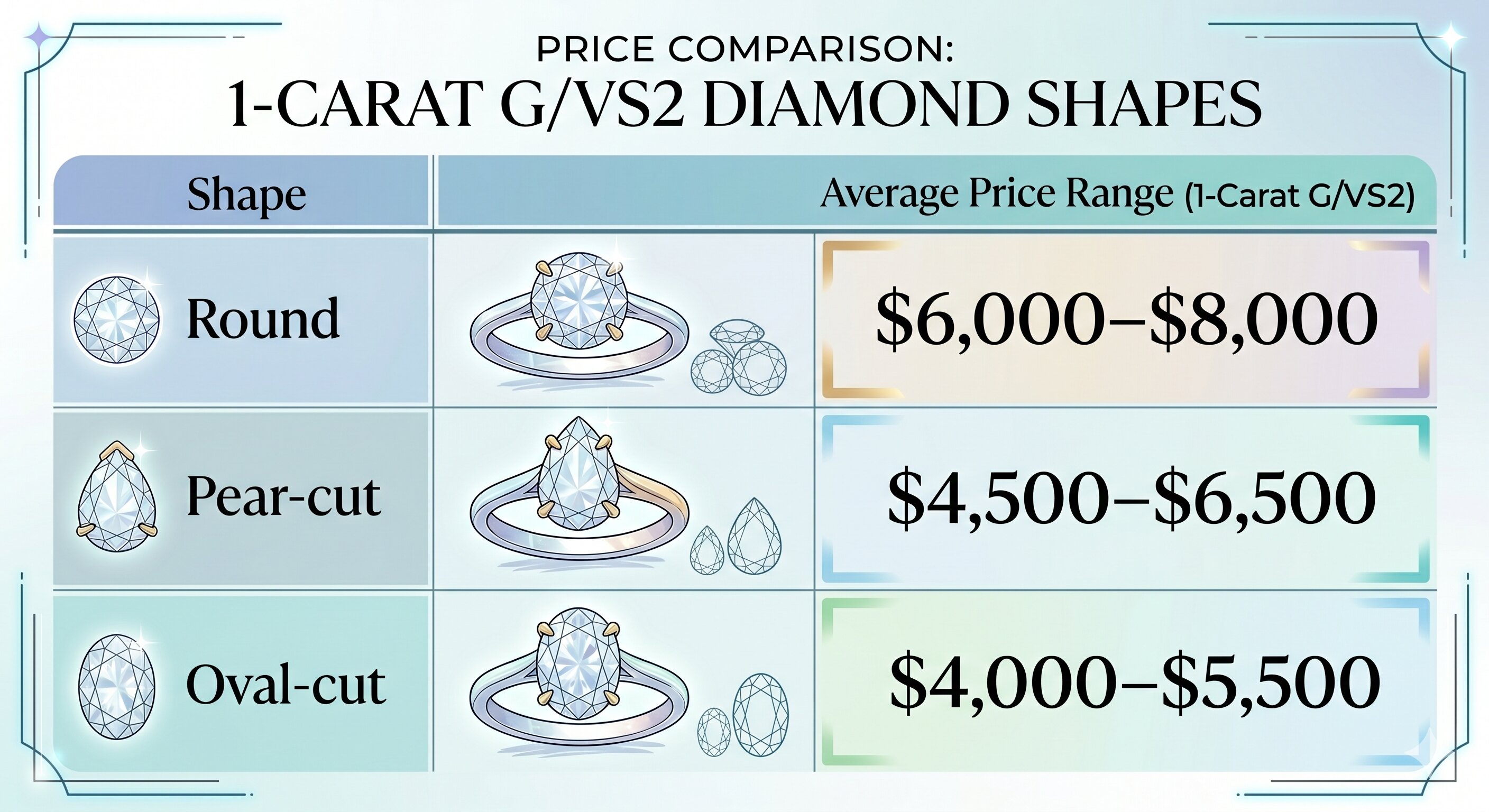
The cost of a pear-shaped ring depends on several factors, but it’s not inherently more expensive than other shapes. Here’s a breakdown of how pricing compares:
1. Diamond Cost: Pear vs. Round
Generally Less Expensive Than Round: Pear-shaped diamonds typically cost 20–30% less per carat than round brilliants of the same quality.
Why? Rounds are in higher demand and require more rough diamond waste during cutting.
But More Than Some Fancy Shapes: Pears are usually pricier than marquise or oval cuts, but cheaper than cushion or emerald cuts.
2. Factors Affecting Price
Cut Quality: A well-cut pear with excellent symmetry/no bow-tie effect costs more.
Carat Weight: Larger pears (2+ carats) may have a higher price jump due to rarity.
Color/Clarity: Pears hide inclusions better than step cuts (e.g., emerald), so you can prioritize color.
3. Setting Costs
V-Prong or Bezel Settings: Adding a protective tip prong may slightly increase labor costs.
Custom Designs: Curved or chevron bands (to fit the pear) can add $200–$500.
4. Budget-Friendly Perk
Face-Up Size: Pears appear larger than rounds of the same carat weight (elongation trick!). A 1.5-carat pear can look like a 2-carat round.
Verdict
Pear rings are mid-range in price—more affordable than rounds but not the cheapest. Their value shines in unique beauty and flattering wearability.
Price Comparison (1 carat, G-H color, VS1 clarity)
- Round Brilliant: $6,000 - $10,000 (most expensive)
- Pear Shape: $4,500 - $7,000 (20-30% less than round)
- Oval Cut: $4,000 - $6,500
- Marquise: $3,500 - $5,500 (most affordable among elongated shapes)
What Nail Shape Is Best For A Pear Engagement Ring?
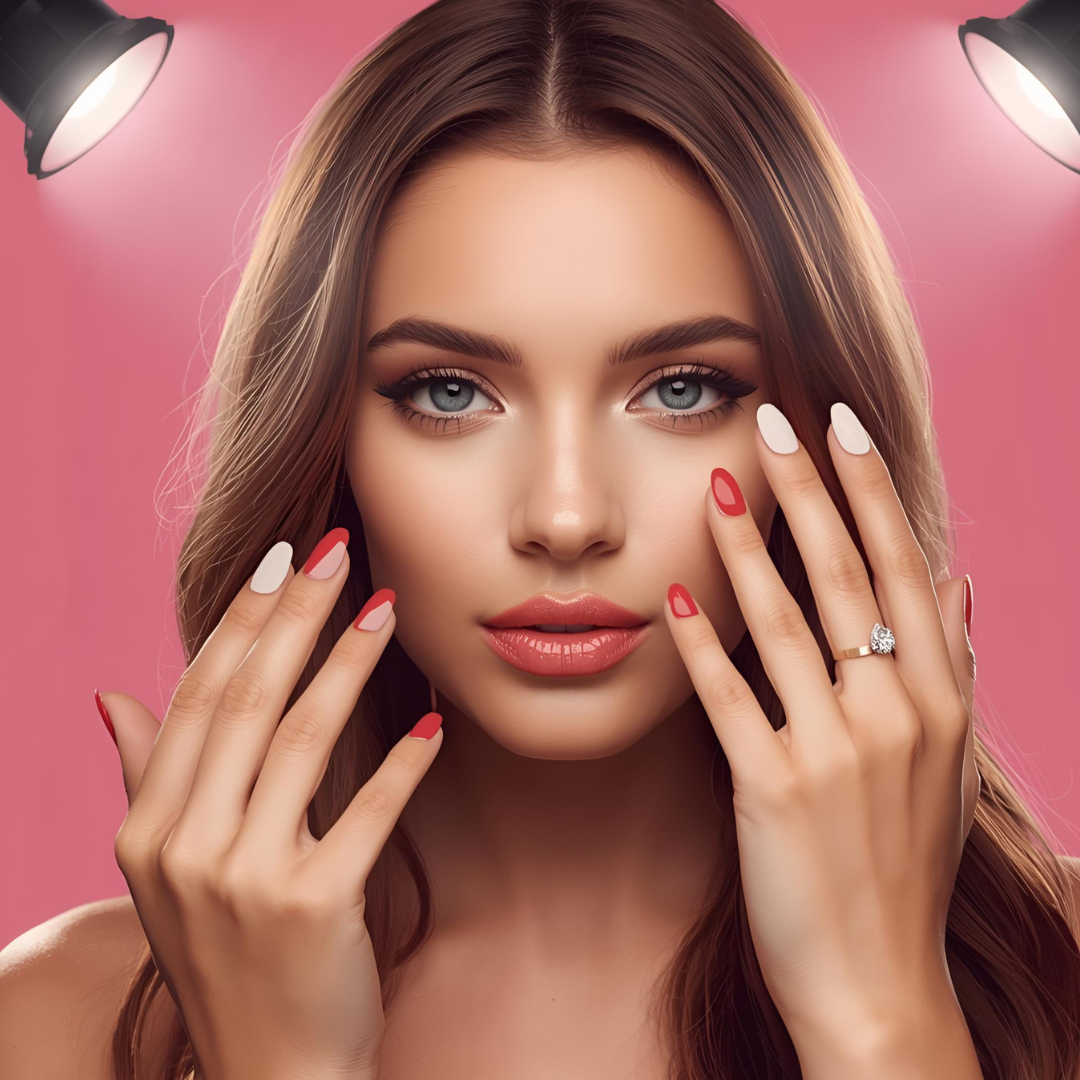
The best nail shape for a pear engagement ring should complement its elegant taper and elongate the fingers for a harmonious look. Here are the top choices:
1. Oval or Almond
Why? Soft, tapered shapes mirror the pear diamond’s silhouette, creating a balanced, feminine look.
Bonus: Elongates fingers, making the ring appear even more graceful.
2. Coffin/Ballerina
Why? The squared-off tip adds a modern edge to contrast the pear’s curves, perfect for a bold, fashion-forward vibe.
3. Squoval (Square-Oval Hybrid)
Why? Offers structure without sharp corners, letting the pear diamond remain the star.
4. Short Rounded
Why? Low-maintenance and classic, ensuring the ring (not nails) gets all the attention.
Avoid:
Stiletto: Too sharp—competes with the pear’s delicate point.
Extreme Square: Can make hands look wider, dulling the pear’s elongating effect.
Pro Tips:
Nail Color: Nude/neutral shades keep focus on the ring.
Sparkle Accent: A pear-shaped nail art gem on the ring finger echoes your diamond!
Final Touch: Match your nail shape to your personal style—romantic (almond), edgy (coffin), or timeless (oval).
A pear-shaped (or teardrop) diamond engagement ring is a beautiful and unique choice, full of personality and elegance. Read more gemstone rings.
“You now know the history, the symbolism, the wedding band pairings, the finger placement, and the direction to wear it. The only question left: will you wear the Rebels' diamond?
Our current collection includes a limited number of GIA-certified pear diamonds — each with excellent symmetry to avoid the dreaded ‘bow-tie‘ effect. When they‘re gone, sourcing new stones with this cut quality takes months.
This is not just a ring. It is 600 years of royal tears, Hollywood glamour, and modern love — pointing forward, toward your future.”
[Button: Claim Your Pear Diamond (Limited) →]


Other news for Tuesday 02 June, 2026
View all news for Tuesday 02 June, 2026 on one page
News for Monday 01 June, 2026
View all news for Monday 01 June, 2026 on one page
Recent News
- Sunday 31 May, 2026
- Saturday 30 May, 2026
- Tuesday 12 May, 2026
- Tuesday 02 December, 2025
- Tuesday 18 November, 2025