

The Essential Guide to Classic Cuts: What You Need to Know
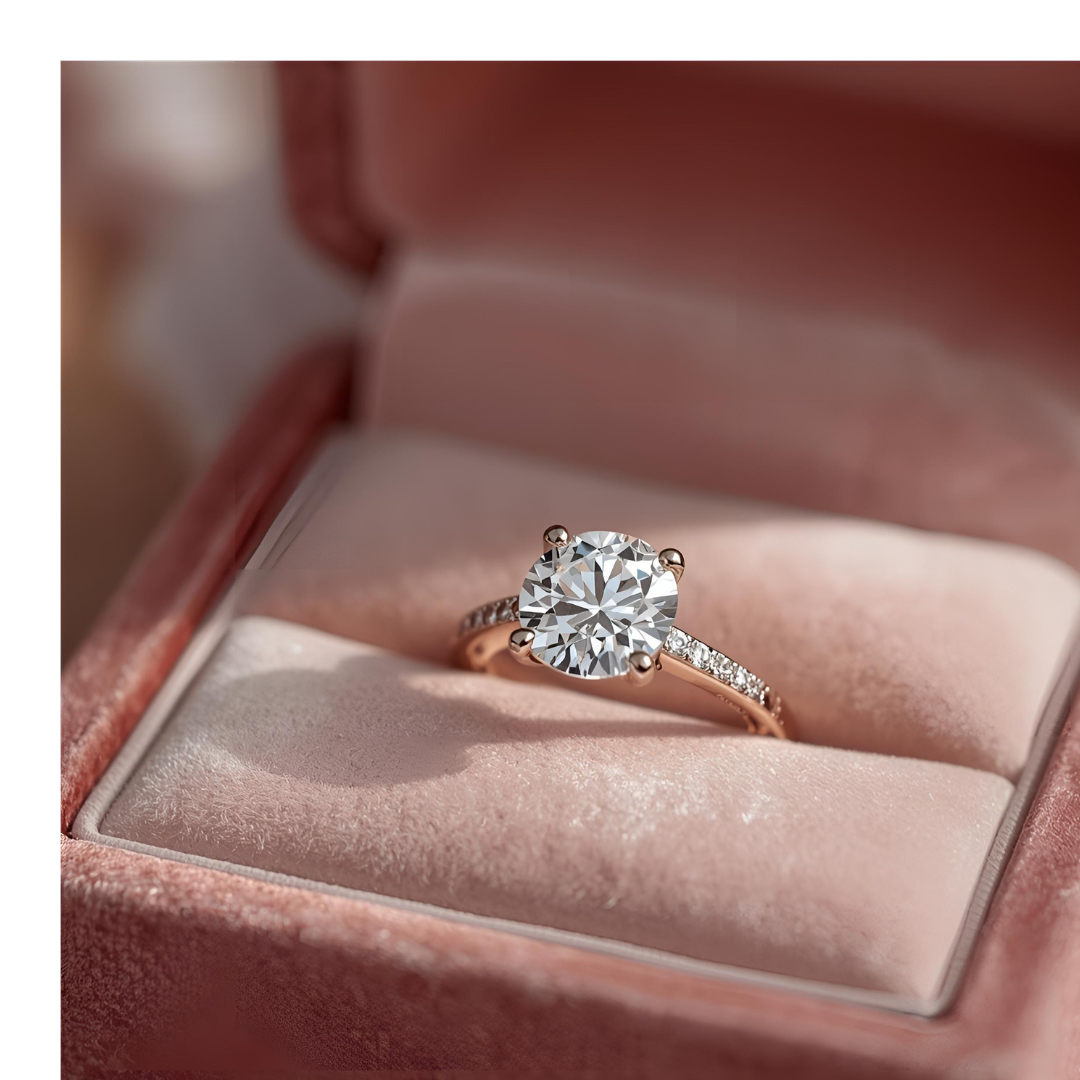
What Is A Classic Cut?
Of course! "Classic Cut" is a term that carries significant meaning in two primary fields: fashion (garment cutting) and gemology (diamond cutting).
“In 1953, when Queen Elizabeth II was crowned, she wore the Sovereign‘s Sceptre. Set in it was the Cullinan I—the largest clear-cut diamond in the world. It is not a round brilliant. It is an Old Mine Cut, with a high crown, a small table, and a sparkle designed not for LED lights, but for candle flames. That diamond was cut in 1908. It has outlasted two World Wars, the British Empire‘s decline, and seven decades of the Queen‘s reign. Classic cuts are not ‘old-fashioned.‘ They are the diamonds that history forgot to replace.”
The same cut that crowned a queen now awaits your own timeless style — whether you choose an Old Mine Cut, an Old European Cut, or a modern Round Brilliant. Every classic cut diamond in our collection is hand-selected for that enduring sparkle that never looks dated.”
[Button: Explore Classic Cut Diamonds →]
The core idea in both is the same: a timeless, enduring style that prioritizes proportion, balance, and elegance over fleeting trends.
Here’s a breakdown of what "Classic Cut" means in each context.
1. Classic Cut in Fashion & Tailoring
In fashion, a "classic cut" refers to a garment with a timeless silhouette that is not influenced by the extremes of current fashion trends. It's the foundation of a versatile and long-lasting wardrobe.
Key Characteristics of a Classically Cut Garment:
Clean Lines & Simple Silhouette: Think of an A-line skirt, a straight-leg trouser, a shift dress, or a single-breasted blazer. The shape is recognizable and unfussy.
Excellent Proportion and Balance: The garment is designed to flatter a wide range of body types, neither too tight nor too oversized. The shoulders, waist, and hemline are in harmonious proportion.
High-Quality Fabric and Construction: Classic cuts are almost always made with better materials and feature precise tailoring, sturdy seams, and fine details like functional buttonholes and well-constructed linings.
Timelessness: A classically cut piece from 20 years ago can still look modern and appropriate today. Examples include the Chanel jacket, the trench coat, the button-down Oxford shirt, and the little black dress.
Versatility: These pieces act as the building blocks of a wardrobe because they mix and match easily and can be dressed up or down.
In short, in fashion, a classic cut is the opposite of a "fad" or "trendy" cut. It's an investment in style that endures.
2. Classic Cut in Diamonds and Gemology
In the world of diamonds, "Classic Cut" is a specific and historical term. It does not refer to the modern Round Brilliant Cut that is most popular today. Instead, it refers to its direct ancestors, which were cut by hand before the advent of electric-powered precision machinery.
The most common diamond cuts referred to as "Classic Cut" or "Old Mine Cut" are:
- Old Mine Cut:
Era: Popular during the Georgian and Victorian eras (1700s - 1800s).
Shape: A squarish or cushion shape with a high crown, small table, and a large, open culet (the point at the bottom of the diamond).
Facets: It has a distinctive facet pattern that is less regular than modern cuts. The charm is in its imperfections and the soft, romantic "candlelight" sparkle it was designed to produce.
- Old European Cut:
Era: The precursor to the modern Round Brilliant, popular in the late 19th and early 20th centuries (Edwardian, Art Nouveau, Art Deco periods).
Shape: Rounder than the Old Mine Cut.
Facets: It still has a high crown, small table, and an open culet, but the facet arrangement is more circular. It exhibits more fire (flashes of color) than an Old Mine Cut but less brilliance (white light return) than a modern cut.
Characteristics of Classic Cut Diamonds:
Hand-Cut: They were cut based on the rough diamond's natural shape, not a computer-modeled ideal.
Warmer, Softer Sparkle: They were designed to perform best in candlelight and gaslight, creating a chunky, fiery sparkle rather than the blinding white brilliance of a modern diamond.
Antique Charm: They are prized for their historical value, unique character, and the craftsmanship of a bygone era.
Important Note: Today, the term "classic" is often mistakenly used to describe the modern Round Brilliant Cut because it is now the most standard and popular choice. However, in strict gemological and antique jewelry contexts, "Classic Cut" refers to the old mine and old European cuts.
Summary
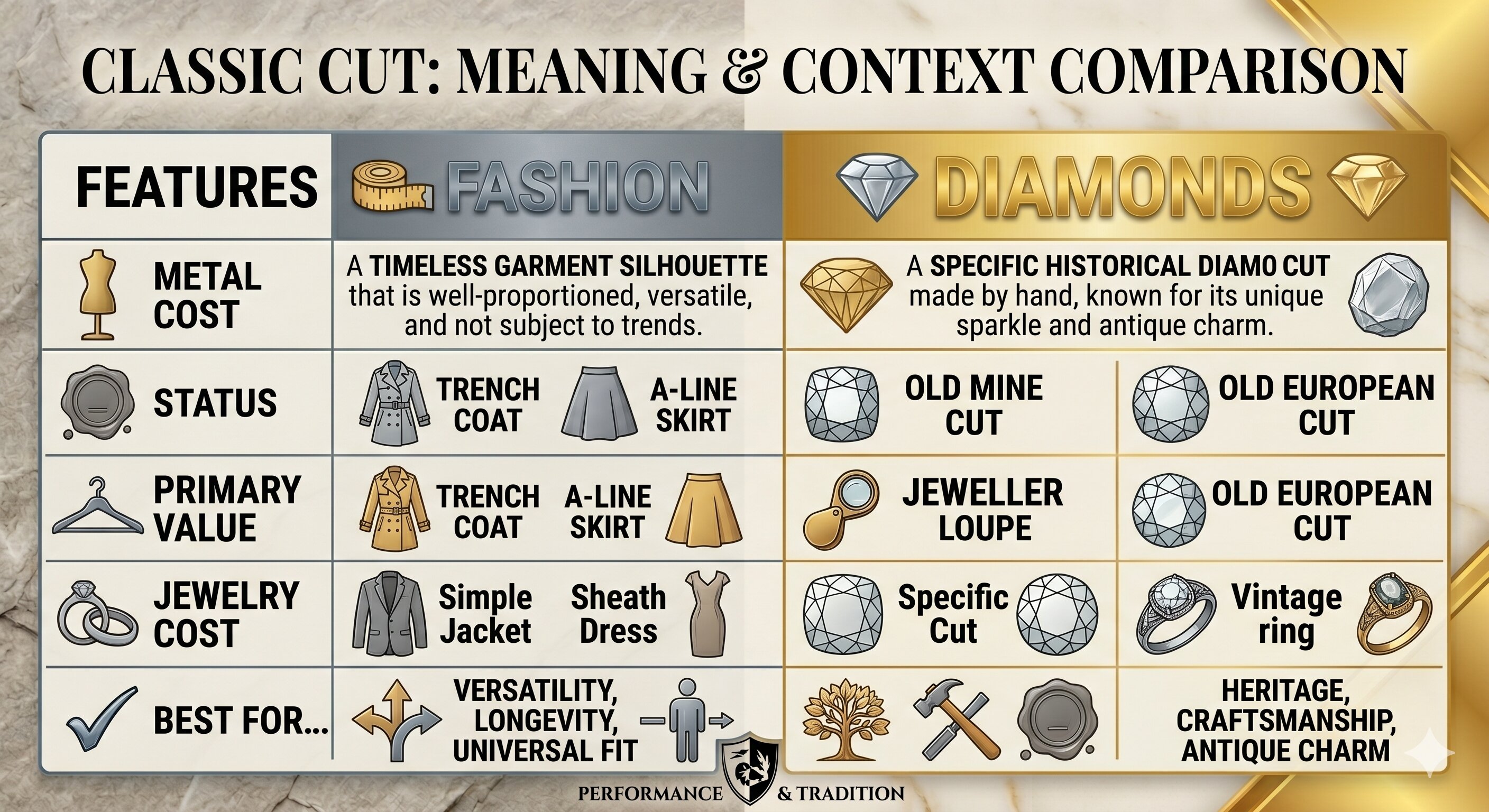
So, when you hear "Classic Cut," the key is to identify the context. In both cases, it signifies a style that has stood the test of time.
Is A Classic Cut Suitable For All Ages?
This is an excellent question, and the answer is a resounding yes; a classic cut is supremely suitable for all ages.
The very essence of a "classic cut" is its timelessness, which inherently transcends age. However, the reason it works and the styling might shift slightly depending on the wearer's life stage and personal taste.
Let's break it down for both fashion and diamonds.
1. Classic Cut in Fashion: Ageless Style
A classically cut garment is a wardrobe staple because it focuses on universally flattering the human form, not on chasing youth-centric trends.
For Young Adults (20s & 30s): Classic cuts provide a foundation of sophistication. A well-cut blazer, a simple sheath dress, or straight-leg trousers can be the building blocks of a professional wardrobe or a versatile casual style. They convey confidence and polish.
For Middle Age (40s & 50s): This is often where the value of classic cuts becomes most apparent. These pieces are forgiving, elegant, and focus on quality over quantity. They help create a "capsule wardrobe" that is easy to manage, always looks appropriate, and emphasizes good fit and luxurious fabric.
For Seniors (60+): Comfort, ease, and elegance are paramount. Classic cuts are perfect because they are never too tight, too short, or overly trendy. A classic-cut cardigan, a trench coat, or a pair of well-tailored trousers offers effortless style that is both comfortable and dignified.
Why it Works for All Ages:
Focus on Fit and Fabric: It prioritizes how a garment fits and feels, which is important at any age.
Versatility: A classic piece can be styled up or down with accessories, making it adaptable for a college student, a working professional, or a retiree.
Avoids "Mutton Dressed as Lamb": For older women, classic cuts provide a graceful, age-appropriate style that remains chic and modern without trying to mimic trends meant for younger people.
2. Classic Cut in Diamonds: Timeless Appeal
When referring to diamonds (like the Old Mine or Old European Cut), the answer is similarly universal, but with considerations for personal style.
For a Younger Person: A classic cut diamond can be a unique, non-conformist choice. It appeals to those who love vintage style, history, and character. It tells a story and stands out from the ubiquitous modern brilliant cuts.
For the Middle-Aged or Older Person: These cuts often carry a sense of heritage and romance. They may resemble heirloom pieces from a grandparent's era, evoking a sense of nostalgia and timeless elegance. Their softer sparkle is often described as more "romantic" and less "flashy" than a modern cut.
Why it Works for All Ages:
Inherent Beauty: The charm of a hand-cut stone with its unique facets and fiery sparkle is appealing regardless of the wearer's age.
Connection to the Past: Age doesn't diminish the beauty of an antique; it enhances it. Wearing a classic cut diamond is like wearing a piece of history, which can be meaningful at any stage of life.
Unique & Personal: It's a choice that reflects personal taste rather than a default setting, which is an ageless quality.
The One Consideration: Personal Style Over Biological Age
The true determinant of whether a classic cut is suitable is not age, but personal style.
A 70-year-old with a bold, artistic personality might rock a large, geometric "classic cut" diamond from the Art Deco era.
A 25-year-old minimalist might prefer the clean lines of a classically cut A-line dress and a simple, understated Old European cut solitaire.
Yes, a classic cut is universally suitable for all ages. Its defining characteristic is its endurance beyond the fleeting trends of any particular decade or generation. Whether it's a perfectly tailored coat or a historic diamond, a classic cut represents a commitment to enduring style, quality, and elegance—truly timeless values.
In short, Classic cuts are less about how old you are and more about loving a style that lasts.
What Is The Best Type Of Diamond Cut?
This is one of the most important questions in choosing a diamond, and the answer is nuanced.
The short answer is: There is no single "best" diamond cut for everyone. The "best" cut is the one that best aligns with your personal priorities, which typically balance three things: Brilliance (brightness), Fire (flashes of color), and personal Style/Budget.
However, from a technical and performance perspective, the Round Brilliant Cut is widely considered the champion of light performance and is the most popular choice for a reason.
Let's break down the top contenders and the factors that make them "best" in different categories.
1. The "Best" for Maximum Sparkle: Round Brilliant Cut
This is the undisputed king of sparkle. Its design is the result of over 100 years of scientific and mathematical optimization to maximize light return.
Why it's a top contender: The Round Brilliant's specific facet pattern (usually 57 or 58 facets) is engineered to act like a series of tiny mirrors. It captures light, reflects it internally, and sends it back to your eye in a breathtaking display of both white light (brilliance) and colored light (fire).
Pros: Unmatched sparkle, timeless popularity, holds value well, and a vast selection.
Cons: It is the most expensive cut per carat. Because so much of the rough diamond is lost during the cutting process, you pay a premium for that brilliance.
Best for: The person who wants the ultimate in sparkle and timeless tradition and is willing to pay a premium for it.
2. The "Best" for Modern Style & Value: Fancy Shapes (Princess, Cushion, Oval)
"Fancy Shapes" refers to any diamond cut that isn't round. They often offer a larger surface area (face-up size) for the same carat weight and are generally less expensive than rounds.
Princess Cut: The second most popular cut. It's a square or rectangular cut with sharp, uncut corners and exceptional brilliance. It's a modern, clean, and geometric choice.
Cushion Cut: A square or rectangular cut with rounded corners, resembling a pillow. It offers a beautiful blend of brilliance and a softer, romantic fire. Very popular in vintage and modern styles.
Oval Cut: Has become extremely popular recently. It offers sparkle very similar to a Round Brilliant, but in an elongated shape that can make the finger look longer and slimmer.
Other popular fancy shapes: Emerald Cut (elegant, "hall of mirrors" effect), Pear Cut (teardrop shape), Marquise Cut (elongated with pointed ends).
Best for: Someone looking for a larger-looking stone, a modern or unique style, and excellent value for their budget.
3. The "Best" for Vintage/Unique Character: Antique "Classic" Cuts
As discussed previously, these are the "Classic Cuts" like the Old Mine Cut and Old European Cut.
Why they're a top contender: They are full of personality, history, and a unique, soft, chunky sparkle that is very different from the clinical brilliance of a modern cut. They are a statement of individuality.
Pros: One-of-a-kind look, historical charm, often less expensive than a modern brilliant of the same carat weight.
Cons: Their sparkle is less bright and more "romantic." They may have more visible inclusions (character) and are not for someone seeking maximum flash.
Best for: The non-conformist who loves history, romance, and a unique, story-filled diamond.
How to Decide: Your Personal "Best Cut" Checklist
Ask yourself these questions:
What is my top priority: Sparkle, Size, or Style?
Sparkle: Round Brilliant.
Size (on a budget): Oval, Pear, or Marquise.
Style/Uniqueness: Antique Cut, Emerald Cut, or Asscher Cut.
What is my budget?
If budget is no object and you want the brightest sparkle, go for a well-cut Round Brilliant.
If you want to maximize the perceived size of your diamond, choose a Fancy Shape.
What is my personal or my partner's style?
Classic & Traditional: Round Brilliant, Princess.
Modern & Edgy: Emerald, Asscher, Radiant.
Vintage & Romantic: Cushion, Oval, Old European Cut.
Feminine & Elongating: Oval, Pear, Marquise.
The Most Important Factor of All: Cut Quality
Regardless of the shape you choose, the quality of the cut is the most important of the 4Cs. A poorly cut Round Brilliant will look dull and lifeless. A superbly cut Emerald Cut will be mesmerizing.
For Round Brilliants, look for a cut grade of Excellent/ Ideal from a reputable lab (like GIA or AGS).
For Fancy Shapes, cut grading is less standardized. You must rely on expert advice, certifications, and most importantly, your own eyes (or a high-quality video) to judge its sparkle and appeal.
The "safest" and most brilliant cut is the Round Brilliant.
The "best value" and most style-versatile cuts are the Fancy Shapes, like Oval, Cushion, and Princess.
The "most unique" cuts are the Antique and Step Cut, such as Emerald and Asscher.
The true "best" diamond is the one that takes your breath away when you look at it.
How Long Does A Classic Cut Last?
That's an excellent question, and the answer gets to the very heart of why "classic" styles are so revered.
The lifespan of a classic cut can be looked at in two ways: its physical longevity and its style longevity. In both cases, the answer is remarkably positive.
1. Physical Longevity: How Long the Item Itself Lasts
This depends entirely on the material and craftsmanship, but a true classic cut is built to last for generations.
In Fashion:
A classically cut garment made with high-quality materials (e.g., 100% wool, 100% cotton, 100% silk) and superior construction (e.g., fully lined, fine seam finishing, sturdy buttons) can easily last 10, 20, or even 50+ years with proper care.
Why it lasts: The focus on quality means the fabric is durable, and the construction is meant to withstand wear and tear. A fast-fashion trendy top might fall apart after a season, but a classic-cut wool blazer is an investment meant for decades.
The Limiting Factor: It's often not the garment itself that gives out, but slight changes in the owner's body size over a lifetime. The timeless design, however, makes it a prime candidate for tailoring and alterations.
In Diamonds:
This is the ultimate answer for physical longevity. A diamond is the hardest natural substance on earth (a 10 on the Mohs scale of hardness).
A classic cut diamond (like an Old Mine or Old European Cut) is not just for your lifetime; it will last for millennia.
These antique cuts have already survived for 100-200 years or more and are still as stunning as the day they were cut. With basic care to avoid hard knocks that could cause chipping, a diamond is essentially permanent.
2. Style Longevity: How Long It Remains Fashionable
This is where the "classic" label truly shines. A classic cut has indefinite style longevity.
In Fashion:
A classic cut is designed to be timeless, not trendy. It transcends the fleeting fashions of any particular season or decade.
A trench coat, a little black dress, a well-tailored pair of jeans, or a button-down shirt from the 1980s can still look completely appropriate and chic today.
While minor details (like lapel width or trouser break) might subtly change, the fundamental silhouette remains perpetually in style.
The lifespan of its style is essentially unlimited because it is the foundation upon which trends come and go.
In Diamonds:
The style longevity of a classic cut diamond is also immense, but with an interesting twist.
As an Antique: An Old Mine or Old European cut has permanent style value as a piece of history and art. Its beauty is not dependent on modern trends; in fact, its uniqueness is its strength. It will always be cherished by those who appreciate vintage and antique jewelry.
As a Concept: The concept of the classic Round Brilliant Cut (which is often mistakenly called "classic") also has indefinite style longevity. It is the most popular and timeless choice for an engagement ring for a reason—its design is perfected for sparkle and will never look dated.
How Long Does a Classic Cut Last?
In short: A classic cut is designed to outlive you.
Physically, a well-made classic garment can last a lifetime and be passed down, while a classic cut diamond is virtually eternal.
Stylistically, a classic cut never truly "goes out of style." It remains relevant and elegant decade after decade.
Therefore, the lifespan of a classic cut isn't measured in years, but in generations. It's the opposite of a disposable trend. When you invest in a classic cut, you are investing in a piece that is built to endure, both in your wardrobe and in the world of style.
What Is The Rarest Diamond Cut?
The rarest diamond cuts are generally antique cuts that are no longer commercially produced or extremely difficult and wasteful to execute. While fancy colored diamonds get most of the attention for rarity, the cut itself can make a diamond exceptionally rare.
Here’s a breakdown of the rarest diamond cuts, from uncommon to the absolute most elusive.
Top Contenders for the Rarest Diamond Cut
1. The "True" Old Mine Cut
While Old Mine Cuts themselves are found in antique jewelry, a "true" Old Mine Cut from the 18th or early 19th century, with all its characteristic imperfections (a high crown, small table, open culet, and a slightly lumpy, chunky appearance), is becoming increasingly rare. Many have been re-cut into modern brilliants to "improve" their sparkle, destroying their historical character.
2. The Jubilee Cut
Developed in the late 19th century, the Jubilee cut is a complex precursor to the modern round brilliant. It features 80 facets, which is significantly more than the standard 57 of a modern brilliant. Its complexity and the fact that it was only produced for a short time make it very rare. It's known for its incredible fire but is seldom seen today.
3. The Ashoka Cut
This is a modern cut but is exceptionally rare due to its specific requirements. Named for the jeweler William Goldberg's famous diamond, the Ashoka is an elongated cushion cut with rounded ends and 62 facets. The rarity comes from the strict proportions and the fact that it can only be cut from a rough diamond of exceptional quality and size (usually over 10 carats). The cutting process is incredibly wasteful, making it a luxury few undertake.
4. The Briolette Cut
This is one of the oldest cuts in the world, dating back to the 12th century. It is a pear-shaped, double rose cut (facetted on both sides) with no girdle or crown, drilled to hang as a bead. The cutting process is incredibly difficult and labor-intensive, as the entire stone must be perfectly symmetrical and faceted by hand. It is rarely used in modern jewelry.
The Rarest of the Rare: The True Rose Cut
While the cuts above are rare, many experts reserve the title of "rarest" for the original, unfaceted-back Rose Cut.
What it is: An antique cut dating back to the 1500s. It has a flat bottom and a dome top covered in triangular facets, coming to a single point at the top, resembling a rosebud.
Why it's the rarest: The original Rose Cut had no facets on its base. While modern interpretations and "double rose cuts" (facetted on both sides) exist, a genuine, historical Rose Cut with a completely flat, unfaceted base is a museum piece. They were cut for candlelight, giving them a soft, subtle, and glimmering sparkle rather than the fiery brilliance we expect today. Almost none are produced commercially now, as the cut does not maximize modern ideals of sparkle.
What Makes a Diamond Cut Rare?
Several factors contribute to a cut's rarity:
Labor Intensity: Cuts like the Briolette or original Rose Cut require immense handcrafting skill and time.
Economic Waste: Cuts like the Ashoka require sacrificing a significant amount of the original rough diamond, making them economically unviable for most stones.
Historical Period: Many antique cuts are simply not made anymore because modern technology and tastes have moved on. They are relics of a specific time.
Lack of Demand: Most consumers want the brilliant sparkle of a modern round or oval. There is little commercial demand for less flashy historical cuts, so few are produced.
Among Antique Cuts: The original Rose Cut and well-preserved Old Mine Cuts are exceptionally rare.
Among Modern Cuts: The Ashoka Cut is arguably the rarest due to its stringent requirements and economic impracticality.
“In 2017, a 2.6-carat Rose Cut diamond sold at auction for 1.8million—over 700,000 per carat. It was not the most brilliant diamond. It was not the most colorless. It had a flat bottom, no pavilion, and a domed top covered in triangular facets. It was cut in the 17th century, probably in India, and had been passed through royal families for 300 years. The buyer did not want sparkle. He wanted a diamond that had seen the rise and fall of empires. That is the power of a rare cut: it is not just a gem. It is a witness.”
If you are looking for the ultimate rarity, you would be searching for a historical, original Rose Cut diamond in its unaltered state. It represents a snapshot of diamond-cutting history that has been almost entirely lost to time.
Is A Classic Cut High Maintenance?
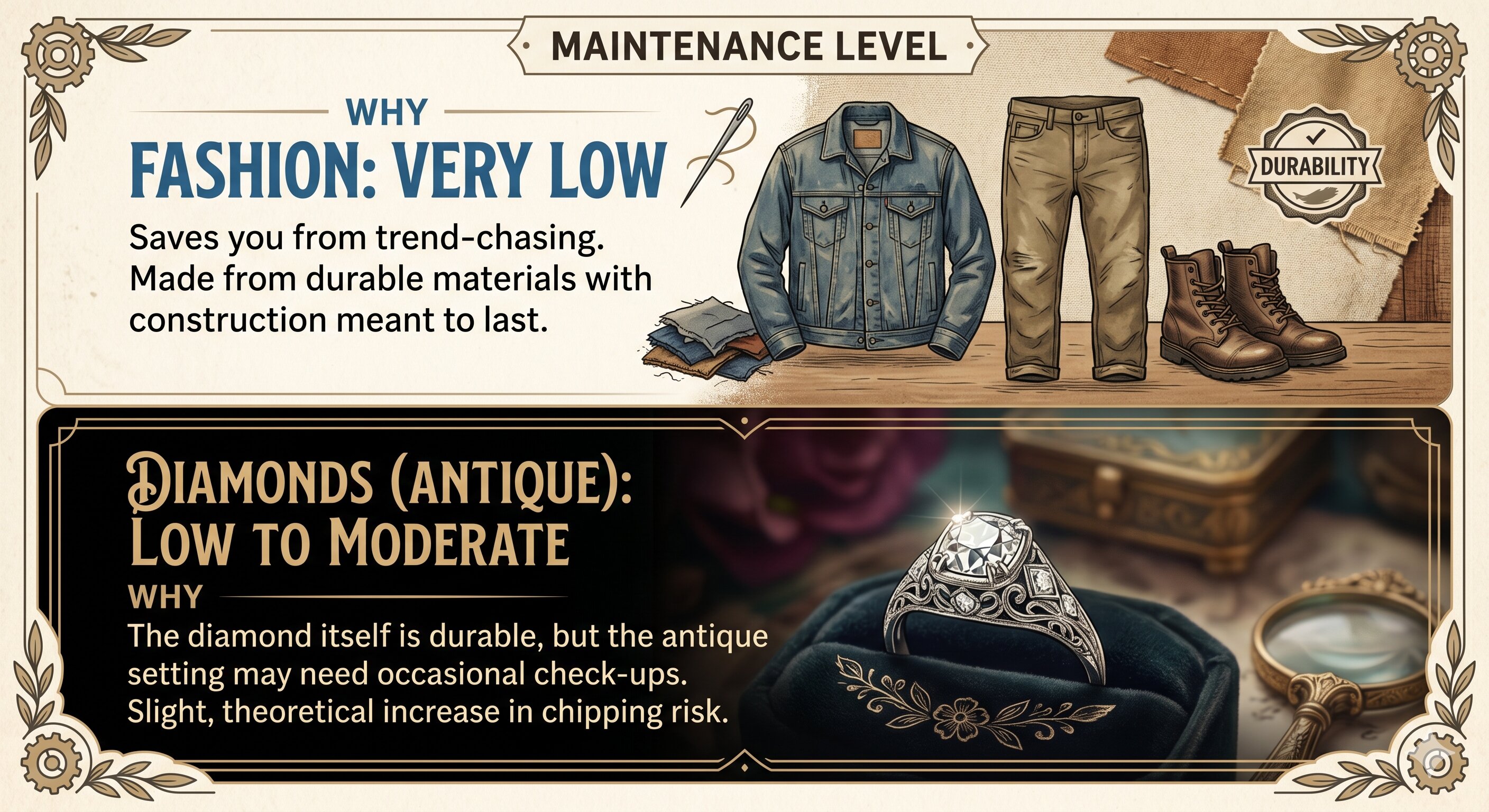
The answer is pleasantly straightforward: No, a classic cut is not high maintenance. In fact, it is often one of the lowest-maintenance choices you can make.
This holds for both fashion and diamonds, for reasons rooted in their timeless design and quality.
1. Classic Cut in Fashion: Low Maintenance
A classically cut garment is designed for ease and longevity, not for high-strung care.
Why it's Low Maintenance:
Timeless Style: The biggest maintenance burden it saves you from is style maintenance. You won't have to constantly worry if it's still "in fashion." It remains appropriate season after season, year after year. This is the opposite of a trendy piece that requires you to update your wardrobe constantly.
Durable Materials: Classic cuts are typically made from high-quality, natural fabrics like wool, cotton, silk, and linen. These materials are more resilient and age more gracefully than many synthetic fabrics. They can be professionally cleaned and pressed, returning to their original shape again and again.
Superior Construction: With strong seams, good linings, and quality stitching, these garments are built to withstand the wear and tear of regular use without falling apart. They don't require you to "baby" them.
Easy to Care For: While they often require proper care (e.g., dry cleaning for a wool blazer), their durability means they don't need this attention as frequently. A well-made classic piece can be worn many times between cleanings without showing wear.
In short, A classic cut saves you the mental and financial maintenance of constantly chasing trends and replacing cheaply made items.
2. Classic Cut in Diamonds (Antique Cuts): Moderately Low Maintenance
When we talk about "classic cut" diamonds (Old Mine, Old European), they require a slightly different consideration than modern cuts, but they are still not high maintenance.
Considerations for Antique Diamond Cuts:
Durability: A diamond is still a diamond—the hardest natural material. It will not scratch or wear down.
The Setting (This is Key): The maintenance level is often determined by the antique setting, not the diamond itself. Prongs in antique rings can wear down over decades. A reputable jeweler should always check the security of the setting before you wear an antique piece.
Potential for Chipping: Some antique cuts, with their open culets (the point at the bottom) or facet structures, can be slightly more vulnerable to chipping at the girdle (the edge) if struck hard. This is a minor risk, but one to be aware of. A protective setting can mitigate this.
Cleaning: They clean just as easily as any other diamond with warm water, mild soap, and a soft brush. Their charm often lies in a bit of "patina," so they don't need to be perfectly spotless to look beautiful.
Comparison to Modern Cuts:
A modern Round Brilliant cut is engineered for maximum sparkle and is extremely robust. In this specific sense, it might be considered the most low-maintenance diamond cut. However, the difference is negligible for everyday wear. An antique cut is not a fragile flower; it has already survived for 100+ years!
Summary: Is a Classic Cut High Maintenance?
Conclusion:
Far from being high maintenance, a classic cut is an investment in simplicity and longevity. It removes the stress of obsolescence and constant repair.
“You now know the definition (fashion vs. diamonds), the age suitability, the best cut debate, the longevity, the rarest cuts, and the maintenance level. The only question left: will you choose a cut that outlasts empires?
Our current collection includes a limited number of classic cut diamonds — from Old Mine Cuts to Old European Cuts, from Rose Cuts to modern Round Brilliants. When true antique cuts are gone, they are gone. No one is cutting new Old Mine diamonds.
*This is not just a diamond. It is Queen Elizabeth‘s Cullinan I, the 17th-century Rose Cut, and 100 years of proof that some cuts never go out of style—because they were never in style. They were just always right.”*
[Button: Secure Your Classic Cut Diamond (Limited) →]


Curious About Pavé Settings? Here's What You Need To Know
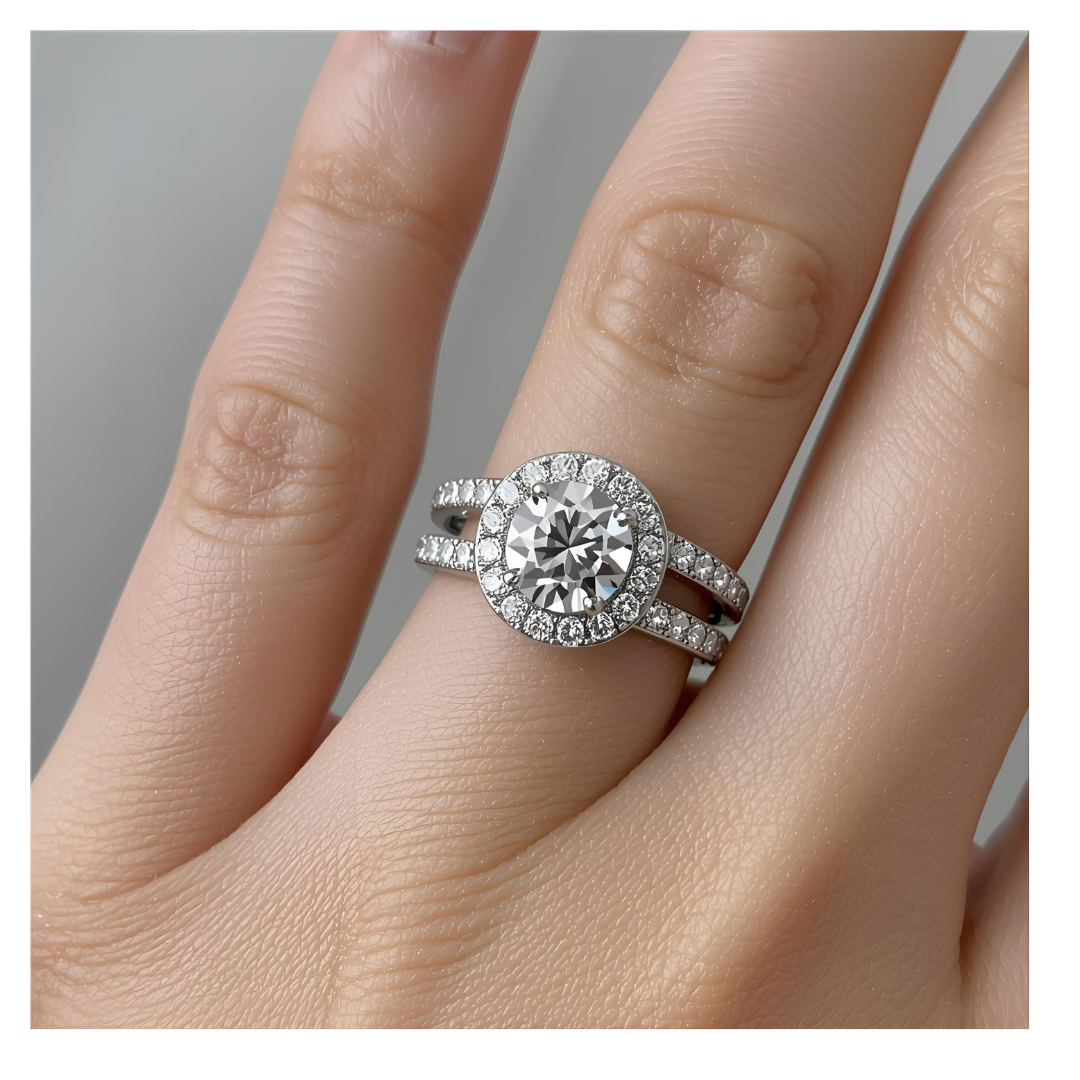
What Is A Pavé Setting?
“The word ‘pavé‘ comes from the French for ‘paved‘ — as in a street paved with cobblestones. In jewelry, it means a surface paved with diamonds. In 18th-century France, pavé settings were reserved for royalty. Marie Antoinette owned pavé-set brooches that sparkled so intensely they seemed to glow in candlelight. Today, pavé is everywhere — from engagement rings to watches to iPhone cases. But the technique has not changed. A master jeweler still drills dozens of tiny holes, still carves microscopic beads of metal, still sets each stone by hand. Pavé is not a trend. It is a testament to patience. A single ring can take 20 hours to pave. And when it catches the light, you will know why.”
The same technique that paved Marie Antoinette‘s brooches now awaits your own finger — from classic pavé bands to micro-pavé halos. Every pavé setting in our collection is hand-set by master jewelers, because a surface paved with diamonds should never have a loose stone.”
[Button: Explore Pavé Setting Rings →]
Let's break down the beautiful and popular pavé setting.
What Is A Pavé Setting?
What Is A Pavé Setting Diamond?
Is Pavé More Expensive Than Other Settings?
What Is The Most Popular Pavé Setting?
Are Pave Settings Sparkly?
What Are Common Problems With Pave Settings?
Which Pavé Setting Is Best?
What Is The Most Secure Pavé Setting?
What Are The Cons Of Pavé Setting?
Is a pave setting ring more expensive?
Are Pavé Setting Diamonds Real?
Is Pavé Setting Good For Everyday Wear?
What Is the Alternative To Pavé Setting?
Is It Easy To Lose Stones In A Pavé Setting?
Does Pavé Setting Make A Diamond Look Bigger?
The Simple Definition
A pavé setting (pronounced pah-VAY, from the French word for "paved") is a jewelry technique where many small gemstones are set closely together across the surface of a piece, creating a continuous "sheet" of sparkle. The metal base is often barely visible, making the piece appear as if it is entirely paved with diamonds or other gems.
How It's Done: The Key Characteristics
The magic of a pavé setting lies in its intricate craftsmanship. Here are the key elements that define it:
Small Stones: Pavé uses many tiny stones, typically diamonds. These are often referred to as "melee" (pronounced meh-LAY) diamonds.
Close Placement: The stones are set extremely close together, side-by-side, with minimal space between them.
Small Metal Beads or Prongs: The stones are not held by large, individual prongs. Instead, the jeweler uses the existing metal from the piece to create tiny "beads" or "prongs" that are pushed over the girdle (the widest part) of each stone to secure it.
No Metal Shows: The goal is to minimize the visibility of the setting metal, maximizing the visible gemstone surface for a seamless, glittering effect.
When done correctly, the result is a breathtaking, shimmering surface that catches the light from every angle.
Why Choose a Pavé Setting?
Maximum Sparkle: This is the biggest draw. The high concentration of small gemstones creates incredible brilliance and fire.
Luxurious Look: It gives the appearance of a larger, more substantial piece of jewelry without the cost of a single, massive stone.
Enhances the Center Stone: In rings, a pavé band makes the center stone look larger and more impressive by continuing the sparkle down the shank.
Elegant and Modern: It provides a beautiful, continuous line of light that is both classic and contemporary.
Types of Pavé Settings
While all pavés share the same basic principle, there are subtle variations:
Classic Pavé: The most common type, using small, uniform metal beads to hold the stones.
French Pavé: A more complex and decorative method where the stones are set in V-shaped openings, and the metal is cut to create a starburst pattern around each stone. It allows more light to enter, increasing brilliance.
Micro-Pavé: An even finer version where the stones and the metal beads used to set them are exceptionally tiny. This allows for an even denser "paving" of stones and is often done using microscopic precision tools.
U-Cut and V-Cavity Pavé: These refer to the shape of the hole drilled for the stone, which can affect how the light interacts with it.
Pros and Cons to Consider
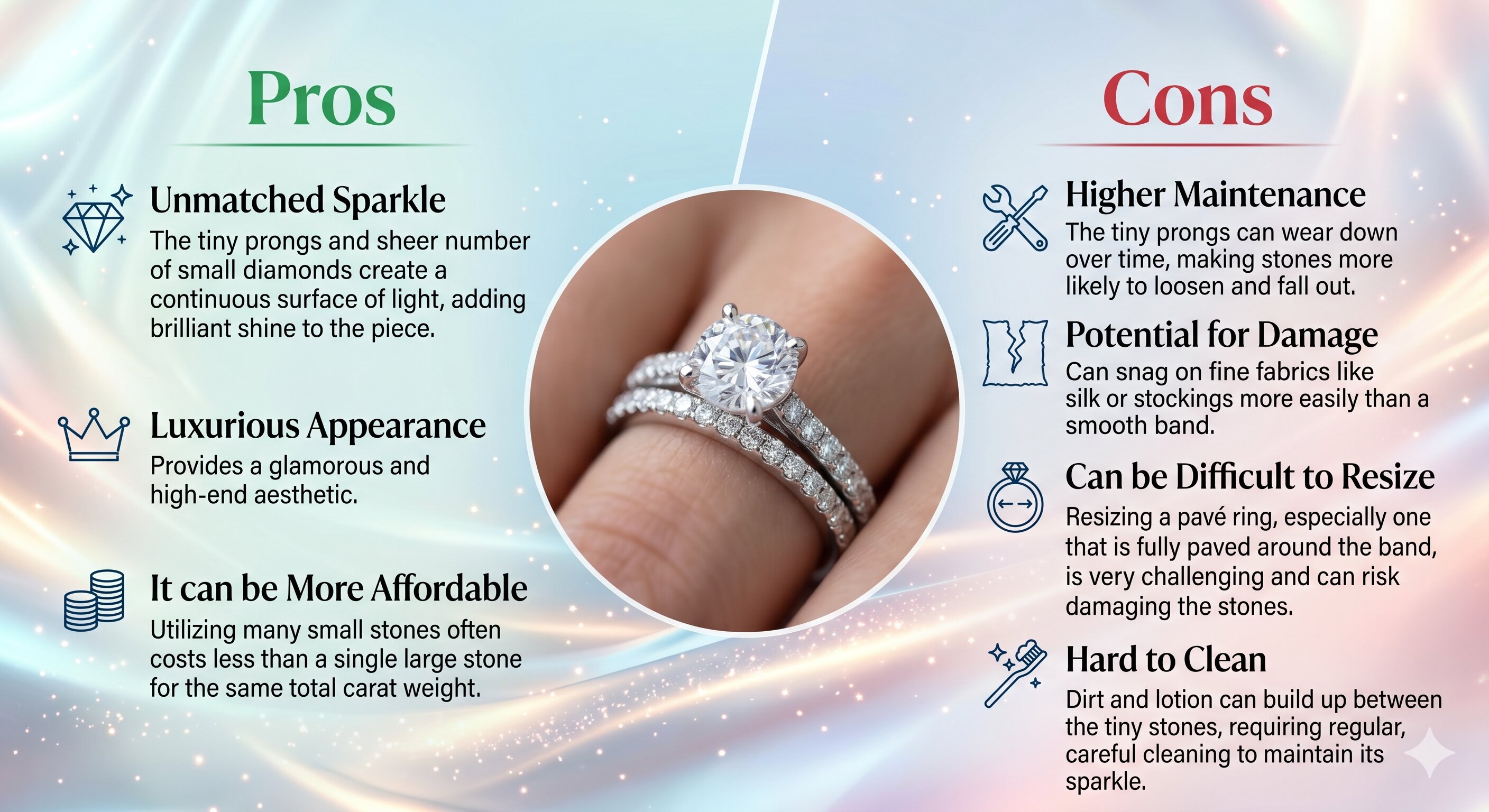
Pavé vs. Other Settings
Pavé vs. Channel: In a channel setting, stones are set into a channel within the band's walls, with no metal prongs between them. It's more secure but shows more metal.
Pavé vs. Bezel: A bezel setting wraps a strip of metal completely around a single stone. It's the most secure setting but shows the most metal and offers less sparkle than pavé.
A pavé setting is a masterful jewelry technique that transforms a metal surface into a dazzling, continuous display of sparkle by meticulously setting many small gemstones side-by-side. It's the perfect choice for anyone who wants to maximize brilliance and achieve a luxurious, eye-catching look.
What Is A Pavé Setting Diamond?
A "pavé setting diamond" refers not to a special type of diamond, but to the role a diamond plays in a pavé setting.
1. It's About the Setting, Not the Diamond Itself
There is no specific diamond cut or shape called a "pavé diamond." The term describes a diamond that is set using the pavé technique. Any diamond used in this way becomes a "pavé setting diamond."
2. The Diamonds are Small "Melee" Diamonds
The diamonds used in pavé settings are overwhelmingly melee diamonds (pronounced meh-LAY). This is the industry term for small, brilliant-cut diamonds, typically weighing less than 0.20 carats each, and often as small as 0.01 carats.
Size: They are tiny, often just a few millimeters in diameter.
Cut: They are almost always round brilliant cut because this shape is easiest to set closely together in a continuous pattern and provides maximum sparkle.
Quality: Due to their small size, melee diamonds are not individually graded for the "4 Cs" (Cut, Color, Clarity) like a center stone would be. They are usually purchased in bulk batches of consistent quality.
Think of it this way:
Pavé Setting: The jewelry-making technique (like a paved road made of many stones).
Pavé Diamond: An individual stone used in that technique (like a single cobblestone in the road).
So, when you hear "pavé setting diamond," you can understand it as one of the many small, usually round, diamonds set closely together to create a seamless sheet of sparkle on a piece of jewelry.
A pavé setting diamond is a small, melee diamond whose purpose is to contribute to the collective brilliance and luxurious appearance of a pavé-set item, rather than to stand out as an individual stone.
Is Pavé More Expensive Than Other Settings?
The answer is nuanced: Yes, a pavé setting is almost always more expensive than a simple solitaire setting, but it can be less expensive than settings that use larger accent stones.
It's not just about the cost of the setting itself, but the total cost of the piece. Let's break it down.
The Short Answer
A pavé setting adds high cost due to two main factors:
The additional diamonds (the "melee").
Intensive, skilled labor is required to set them.
However, when compared to a setting that uses a few larger accent stones (like a three-stone ring with substantial side stones), a pavé setting can be a more affordable way to achieve a high level of sparkle.
Detailed Cost Breakdown
Why Pavé is More Expensive:
Cost of the Melee Diamonds:
While each melee diamond is small and inexpensive, a pavé setting can use dozens of them. The collective cost of all these stones adds up quickly.
Example: A ring shank might hold 30-50 tiny diamonds. Even at a low per-stone cost, this can add hundreds or even thousands of dollars to the final price.
Labor and Craftsmanship (The Biggest Factor):
Pavé setting is one of the most labor-intensive and skill-demanding techniques in jewelry making.
A master jeweler must meticulously drill holes, set each stone, and hand-carve the tiny metal beads to secure them all perfectly. This process can take many hours.
You are paying for this expert time and precision. A poorly done pavé setting will have a rough texture and risk constant stone loss.
Comparing Pavé to Other Common Settings:
vs. Solitaire Setting:
A solitaire is almost always less expensive. It uses no extra diamonds and has a much simpler, less labor-intensive setting (usually 4 or 6 prongs). The cost of a solitaire ring is almost entirely in the center stone itself.
vs. Channel or Bezel Setting:
Generally, pavé is more expensive. While channel and bezel settings also require skill, they typically use fewer stones and a less intricate setting process than pavé. They are prized for their security and modern look, not for their diamond quantity.
vs. Three-Stone Setting (with larger side stones):
Pavé can be less expensive. This is a key comparison. Two larger, high-quality side diamonds (e.g., 0.25 carats each) can be much more costly than the collective cost of the tiny melee diamonds in a pavé band. Pavé gives you more "sparkle per dollar" than a few larger stones.
vs. Halo Setting:
Costs are often similar. A halo is essentially a "pavé frame" around the center stone. Both use a large quantity of melee diamonds and require similar skilled labor. The total cost will depend on the size of the halo and the band.
The Hidden "Lifetime Cost" of Pavé
It's also crucial to consider long-term costs, as mentioned in the previous answer:
Higher Insurance Premiums: Insuring a pavé piece is more expensive because it's riskier (higher chance of stone loss).
Maintenance Costs: You will likely need to pay for retipping prongs and replacing lost stones over the years.
Summary Table: Pavé vs. Other Settings
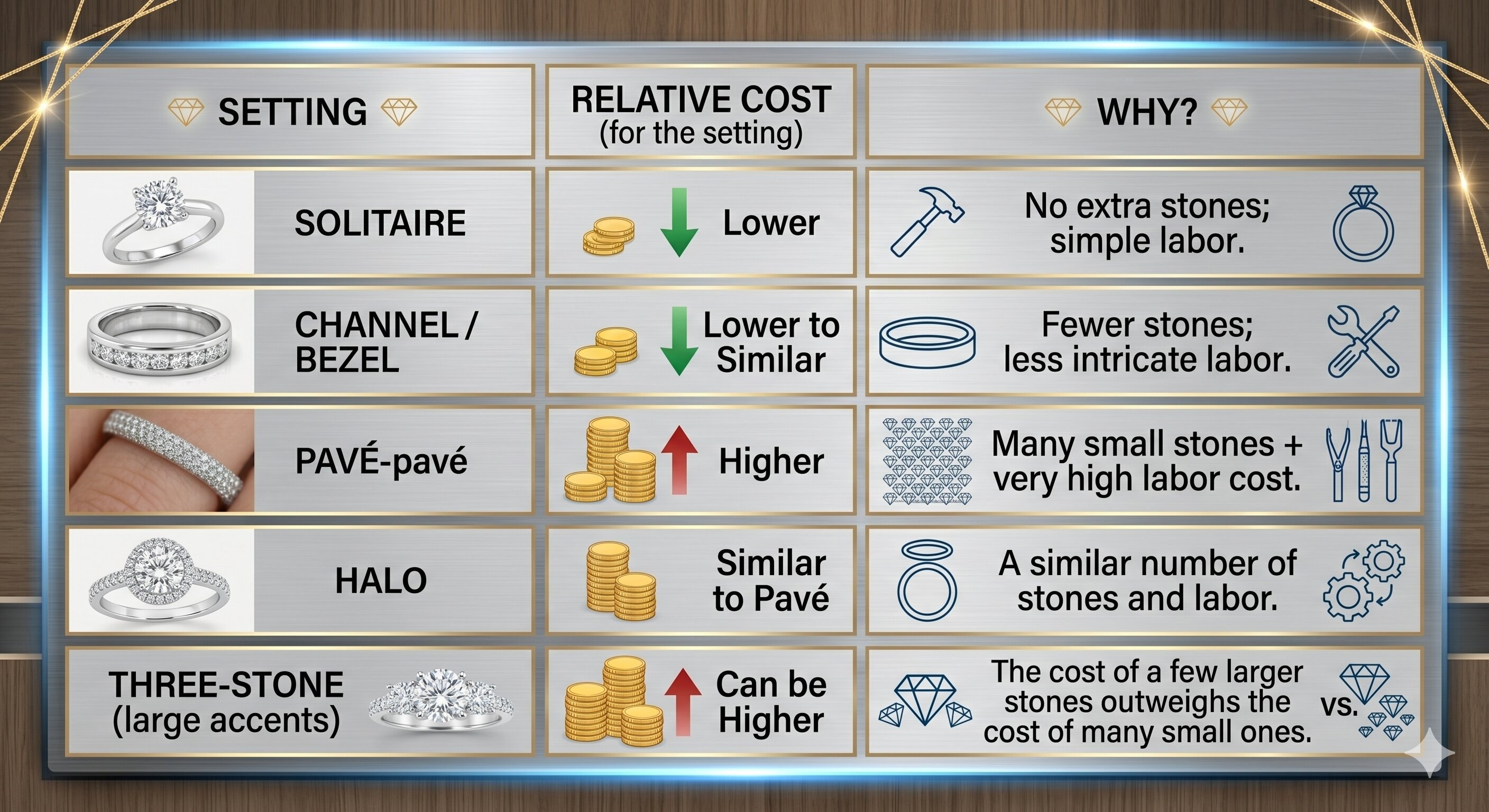
Is pavé more expensive? Yes, when comparing a pavé band to a plain band, the pavé version will always carry a premium due to the added diamonds and labor.
However, if your goal is a ring that is dazzling and covered in diamonds, a pavé band or halo can be a more cost-effective way to achieve that look compared to using larger accent stones.
Think of it this way: You are trading the cost of a few large "rocks" for the brilliant, shimmering effect of a "paved" surface of many small ones.
What Is The Most Popular Pavé Setting?
When people talk about the "most popular" pavé setting, they are almost always referring to its use in engagement rings. Within that category, one style stands out far above the rest.
The Most Popular Pavé Setting: The Pavé Shank (or Band)
The undisputed champion is a ring with a simple solitaire center stone on a pavé band.
“In 2018, a jewelry designer posted a photo of a pavé band ring on Instagram. It had 52 tiny diamonds, each one hand-set. The post went viral. Within a year, ‘pavé engagement ring‘ searches had tripled. But the pavé shank did not become popular because of social media. It became popular because it solves a problem that has frustrated brides for centuries: how to make a ring sparkle from every angle, not just from the top. A solitaire sparkles when you raise your hand. A pavé band sparkles when you lower it, when you turn it, when you forget you are wearing it. Pavé is not just a setting. It is a ring that never sleeps.”
Why this is the #1 choice:
Maximizes Sparkle: It perfectly complements the brilliance of the center diamond by creating a "river of light" that flows around the finger. The band sparkles from every angle, not just from the top.
Elegant and Timeless: It's a classic, sophisticated look that enhances the center stone without overpowering it. It strikes the perfect balance between simplicity and glamour.
Versatile: This style works with any shape of center stone (round, oval, princess, etc.) and metal color (white, yellow, or rose gold).
Illusion of Size: The continuous sparkle of the pavé band can make the center stone appear larger and more impressive by comparison.
Other Extremely Popular Pavé Styles
While the pavé band is the most popular overall, these other pavé settings are also hugely popular and often combined with it.
1. The Halo Setting
A very close second in popularity. This features a circle (or "halo") of pavé-set melee diamonds surrounding the center stone.
Why it's popular: It creates a dramatic effect, making the center stone look significantly larger and brighter. It's the ultimate choice for maximum sparkle and visual impact.
2. The Combination: Halo with a Pavé Band
This is the ultimate choice for someone who wants unparalleled brilliance. Combining a halo around the center stone with a pavé shank creates a ring that is essentially covered in diamonds from every single angle.
3. Micro-Pavé
This isn't a different style, but rather a technique used in the settings above. Micro-pavé uses even smaller stones and tinier, less visible metal beads. It's the standard for modern, finely crafted jewelry because it creates a denser, more seamless "carpet of diamonds." When people see a beautiful, continuous sparkle on a modern ring, they are most likely looking at micro-pavé.
Why You Don't See "French Pavé" as Often Anymore
You might recall French Pavé from the previous explanation—it's a specific, vintage technique with V-shaped metal cuts. While beautiful, it is not the most popular today because:
Cost: It is even more labor-intensive and expensive than classic pavé.
Trends: The modern preference is for a smoother, more continuous sheet of sparkle, which is better achieved with classic or micro-pavé.
So, to answer your question directly:
The single most popular pavé setting is a solitaire engagement ring with a pavé band (often using the micro-pavé technique).
If you are looking at rings online or in a store, this is the style you will see most frequently. It has become a modern classic for its perfect blend of timeless elegance and breathtaking sparkle.
Are Pave Settings Sparkly?
Yes, absolutely. Pavé settings are exceptionally sparkly, and this is their primary purpose and most celebrated feature.
Think of a pavé setting not as a few individual stones, but as a single, continuous surface of glitter and light. Here’s why they are so effective at creating maximum sparkle:
Why Pavé Settings Are So Sparkly
Maximized Light Return: The defining characteristic of pavé is the high concentration of small gemstones (melee diamonds) set very close together. Each one of these stones acts as a tiny mirror and prism, reflecting light and breaking it into colorful flashes (fire). With dozens of these facets working in unison, the effect is a brilliant, all-over sparkle from every angle.
Light from All Angles: Unlike a solitaire stone, which primarily sparkles from the top, a pavé setting catches light from the sides, top, and even underneath (depending on the design). As the wearer's hand moves, the numerous stones create a constant "twinkling" effect, making the entire piece look alive with light.
Minimal Metal Interference: The setting technique is designed to show as little metal as possible. By reducing the metal that blocks light, more of each gemstone's surface is exposed, allowing for unobstructed light entry and return. This creates a seamless "river" or "sheet" of sparkle rather than isolated points of light.
The "Halo Effect" for the Band: On a ring, a pavé band doesn't just sparkle on its own—it acts as a "halo of light" that frames the finger and enhances the center stone. This surrounding brilliance makes the entire hand look more luminous.
What Are Common Problems With Pave Settings?
While pavé settings are brilliant and beautiful, their intricate design leads to several common, practical problems that owners should be aware of.
Here are the most frequent issues associated with pavé settings:
1. Stone Loss (The Most Common Problem)
This is the number one issue with pavé settings.
Why it happens: The tiny metal beads or prongs that hold each small stone are very delicate. Every day wear and tear—knocking your hand against a counter, catching it on a sweater, or even just normal use—can wear down these prongs or loosen the stones, causing them to fall out.
The Reality: It's not a matter of if but when you might lose a stone, especially if the ring is worn daily without periodic checks.
2. Difficult and Risky Resizing
This is a critical, often overlooked, problem for rings.
Why it happens: Resizing a ring involves stretching or compressing the metal band. A pavé shank is filled with precisely drilled holes for the stones. Altering the ring's circumference can distort these settings, loosen the stones, or even cause the metal to crack.
The Reality: If the pavé covers more than half the band, many jewelers will be hesitant to resize it or may outright refuse. If they do attempt it, the cost will be high, and the risk of damage is significant.
3. High Maintenance and Upkeep
Pavé settings are not "wear and forget" jewelry.
Regular Inspections: To prevent stone loss, the ring should be professionally inspected by a jeweler every 6-12 months to check for loose stones and worn-down prongs.
Frequent Cleaning: The countless tiny gaps between stones are magnets for lotion, soap, dirt, and grime. This buildup will quickly dull its sparkle, requiring more diligent and frequent cleaning with a soft brush.
4. Prong Wear and "Retipping."
Over time, the delicate prongs holding the stones will wear down.
Why it happens: The constant friction against clothing, surfaces, and other jewelry gradually files the tiny metal beads away.
The Solution: "Retipping" is a process where a jeweler adds a small amount of new metal to the worn prongs. This is a standard maintenance cost for pavé owners, but it adds up over the lifetime of the piece.
5. Snagging on Fabrics
The textured surface of a pavé setting, while often smooth to the touch, can catch on certain materials.
What to watch for: Fine fabrics like silk, stockings, and loosely knit sweaters are particularly susceptible to being snagged by the tiny prongs.
6. Potential for discomfort
While generally comfortable, some people with sensitive skin may find the textured, non-smooth surface of a full pavé band slightly irritating, especially if the ring spins on the finger.
7. Higher Long-Term Costs
The initial price is only part of the financial picture.
Insurance: Insuring a pavé piece is more expensive than a simple solitaire because the risk of stone loss is higher.
Maintenance: The costs of annual inspections, retipping prongs, and replacing lost stones (even small ones) can accumulate over the years.
Who Should Be Cautious?
A pavé setting might not be the best choice if you:
Have a very active lifestyle or work with your hands.
Prefer low-maintenance jewelry.
Anticipate needing your ring resized in the future.
Are on a tight budget for long-term upkeep.
A pavé setting trades off durability and ease of maintenance for unparalleled sparkle. Being aware of these common problems allows you to make an informed decision and properly care for your jewelry to keep it sparkling safely for years to come. If you proceed with a pavé setting, prioritize high-quality craftsmanship and commit to a regular maintenance schedule.
Which Pavé Setting Is Best?
The "best" pavé setting isn't a single winner, but rather the one that best suits your priorities for style, durability, budget, and lifestyle.
After reviewing all the pros, cons, and common problems, here’s a breakdown of which pavé setting is best for different goals.
Quick Guide: Which Pavé is Best For You?
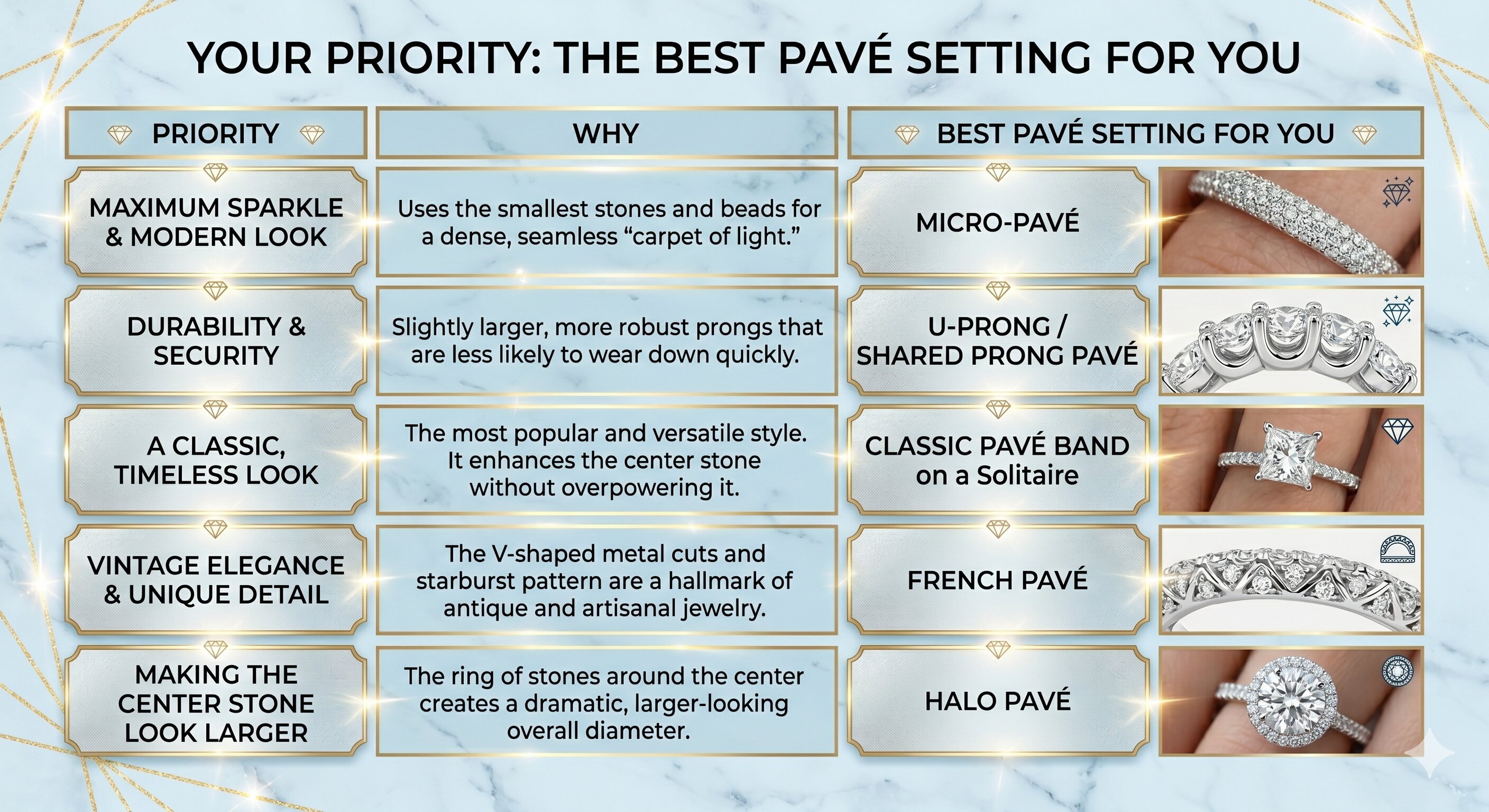
Detailed Recommendations
1. For Overall Brilliance and a Modern Feel: Micro-Pavé
Why it's the best: If your top priority is pure, uninterrupted sparkle, micro-pavé is the winner. The stones are set so closely with such tiny metal beads that the piece looks like a continuous sheet of diamonds. It's the ultimate choice for a dazzling, contemporary look.
Consideration: The tiny prongs can be delicate and require regular check-ups.
2. For Durability and Everyday Wear: U-Prong / Shared Prong Pavé
Why it's the best: This style uses slightly larger, rounded prongs that hold two adjacent stones at once ("shared prong"). While you see a bit more metal than in micro-pavé, the prongs are generally stronger and more secure, making this a better option for someone with an active lifestyle.
Consideration: Slightly less "seamless" sparkle than micro-pavé, but a great trade-off for peace of mind.
3. For a Timeless and Versatile Choice: Classic Pavé Band
Why it's the best: This is the safest and most popular choice for a reason. A solitaire stone on a classic pavé band is elegant, universally flattering, and never goes out of style. It offers tremendous sparkle while keeping the focus on the center stone.
Consideration: Ensure the band is not too thin (2mm is a good minimum) to provide a solid foundation for the stones.
4. For a Secure Setting with a Smooth Feel: Channel Set "Pavé Look".
Wait, this isn't technically pavé! That's correct. But if you love the look of a diamond band but are concerned about the durability of pavé, a channel setting is the best alternative. The stones are set within a channel of metal, completely protecting their edges. There are no prongs to snag or wear down.
Why it's the best: Maximum security and a smooth, comfortable feel.
Trade-off: It shows more metal and has slightly less brilliance than prong-set pavé.
Final Verdict and Pro-Tip
There is no single "best" pavé setting for everyone. The choice is highly personal.
The True "Best" Setting is the One That Is Well-Made.
No matter which style you choose, prioritize quality craftsmanship. A poorly made pavé setting will have a rough texture, uneven stones, and a high risk of problems. A well-made one will feel smooth, have evenly spaced stones, and be set by a skilled jeweler.
Lifestyle: Are you hard on your hands? Choose a more durable U-prong setting.
Style: Do you love vintage? Consider French Pavé. Want modern glam? Look at Micro-Pavé or a Halo.
Budget: Remember that the labor for intricate pavé adds cost, and factor in long-term maintenance.
Comfort: Try them on! See how a full pavé band feels compared to a classic shank.
By matching the setting type to your life and preferences, you'll choose the perfect pavé that is not only beautiful but also practical for you.
What Is The Most Secure Pavé Setting?
This is a crucial question, especially for an item meant for daily wear like an engagement ring.
The short answer is that no pavé setting is as secure as a bezel or channel setting. The very nature of pavé—using tiny prongs to maximize sparkle—is inherently less secure. However, some pavé styles are significantly more secure than others.
The Most Secure Type: Shared Prong / U-Prong Pavé
Among traditional pavé styles, the Shared Prong (or U-Prong) setting is generally considered the most secure and durable.
Why it's more secure:
Larger, Stronger Prongs: Instead of many tiny, individual beads, this setting uses slightly larger prongs that are shaped like a "U" or "V" to hold two adjacent stones at once. These prongs have more metal mass, making them less likely to wear down or break off.
Excellent Stone Retention: The girdle (edge) of each diamond is nestled securely into the U-shaped prong, providing a firm hold.
Reduced Snagging: While not as smooth as a channel setting, the shared prong design is often smoother than classic bead pavé and less likely to catch on fabrics.
The "Most Secure" Overall: Alternative Settings with a Pavé Look
If security is your absolute top priority and you want the appearance of a continuous line of diamonds, consider these non-pavé settings. They are technically more secure than any true pavé.
1. Channel Setting
This is often the #1 recommendation for security.
Why it's more secure: The stones are set into a channel carved into the band's walls, with no prongs exposed. The gems are held in place by the two walls of metal, protecting their edges from impact and eliminating the risk of prong snagging or wear.
Trade-off: It shows slightly more metal and can have slightly less light return (sparkle) than prong-set pavé because the sides are enclosed.
2. Bezel Setting (for melee stones)
A bezel can be used for small stones to create a very secure, modern look.
Why it's more secure: Each stone is surrounded by a custom-fitted rim of metal. This offers the highest level of protection against impacts and snagging.
Trade-off: This style shows the most metal, significantly reducing the visible surface area of the stones and, consequently, the overall sparkle. It also has a higher labor cost.
Summary: Secure Pavé Choices at a Glance
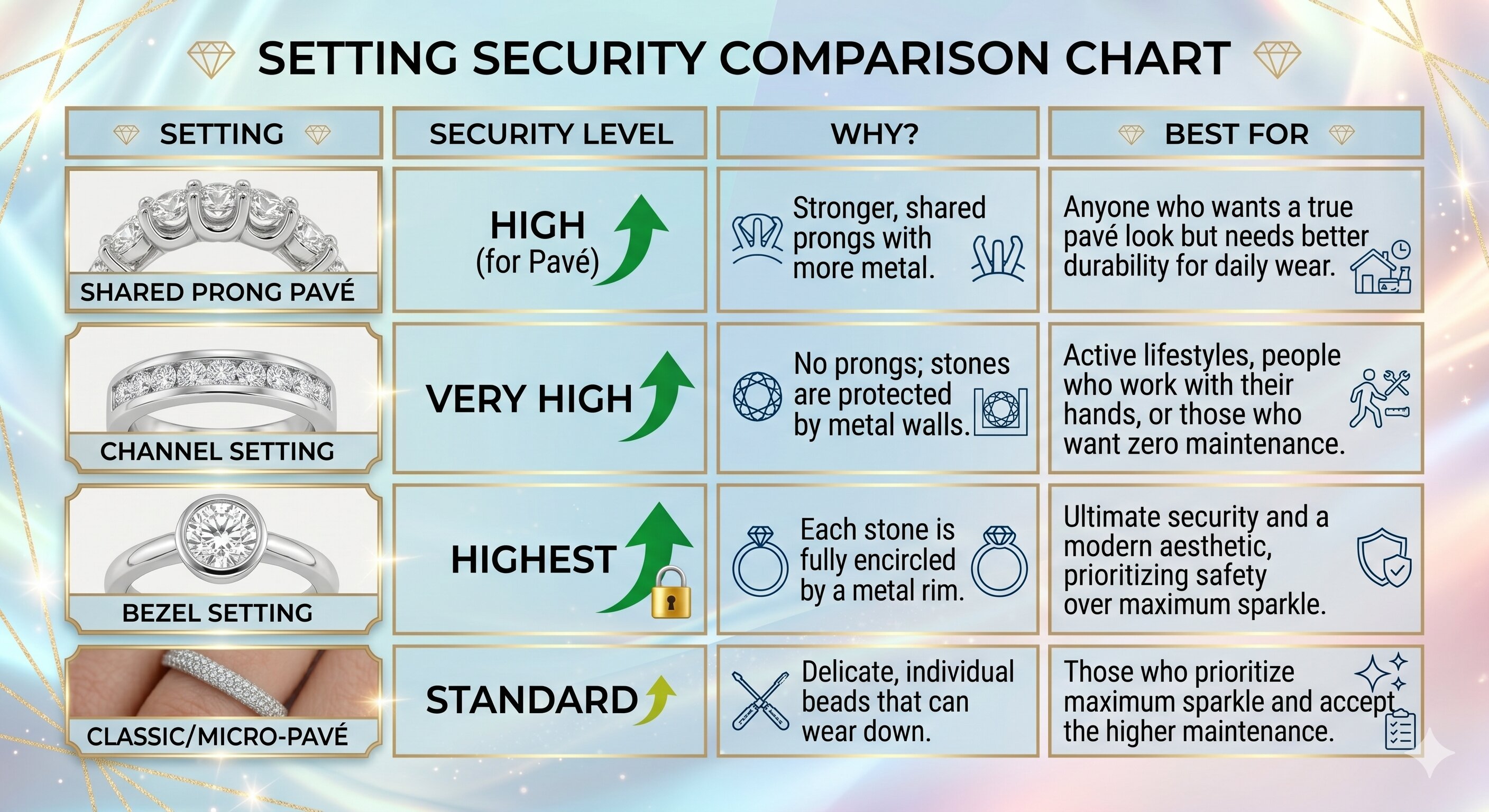
How to Maximize Security in ANY Pavé Setting:
No matter which you choose, you can improve security by:
Prioritize Craftsmanship: A well-made pavé setting from a reputable jeweler is fundamental. The prongs should be evenly sized and properly formed.
Choose a Substantial Band Width: A very thin pavé band (e.g., under 1.8mm) is delicate. Opt for a band width of 2.0mm or wider after polishing to provide a solid metal foundation for the stones.
Commit to Maintenance: Schedule professional cleanings and inspections every 6-12 months. A jeweler can catch loose stones and re-tip worn prongs before a stone is lost.
Get it Insured: Ensure your jewelry is appraised and insured against loss, theft, and damage.
Final Verdict: If you must have a true pavé, choose a Shared Prong setting on a well-made, substantial band. If security is your non-negotiable top priority, a Channel set band is the safest way to achieve a continuous line of sparkle.
What Are The Cons Of Pavé Setting?
While pavé settings are stunning, they come with several significant drawbacks that are important to consider, especially for an item meant for daily wear like an engagement ring.
Here is a concise list of the main cons of a pavé setting:
The Primary Disadvantages of a Pavé Setting
High Maintenance & Risk of Stone Loss: This is the biggest drawback. The tiny metal beads or prongs that hold each stone are delicate and can wear down over time with daily wear, leading to loose or lost stones.
Difficult and Risky to Resize: Resizing a ring with a pavé band is challenging and often expensive. The process of stretching or compressing the metal can damage the delicate settings and dislodge the small stones. In many cases, jewelers will advise against resizing a fully paved band.
Requires Regular Professional Check-ups: To prevent stone loss, a pavé piece should be inspected by a jeweler every 6-12 months to have the prongs checked and tightened—an ongoing cost and inconvenience.
Can Snag on Fabrics: The textured surface of tiny prongs can catch on fine materials like silk, wool, and stockings, potentially damaging the clothing or loosening a stone.
Higher Long-Term Costs: Beyond the initial price, you must factor in:
Higher Insurance Premiums due to the greater risk of damage.
Ongoing Maintenance costs for retipping prongs and replacing lost stones.
More Difficult to Clean: Lotions, soaps, and dirt easily build up in the numerous tiny gaps between the stones, requiring frequent and diligent cleaning with a soft brush to maintain its sparkle.
Potential for Discomfort: Some people with sensitive skin may find the textured, non-smooth surface of a full pavé band slightly irritating.
A pavé setting trades off durability and ease of maintenance for maximum sparkle. It is a beautiful choice but demands more care and attention than a simple solitaire or channel-set band.
Are Pavé Setting Diamonds Real?
Yes, the small diamonds in a pavé setting are real diamonds. The term "pavé" (from the French for "paved") refers specifically to the setting style where many small diamonds are set close together, not to a special type of diamond.
Understanding "Pavé Diamonds"
When people say "pavé diamonds," they're usually referring to the tiny melee diamonds used in the setting. These are real, fully faceted, and polished diamonds, just much smaller (typically under 0.10 carats each).
They come in two main forms, both of which are genuine diamonds:
Natural (Mined) Diamonds: Traditional diamonds formed over millions of years.
Lab-Grown Diamonds: Created in a controlled lab environment. They are chemically, physically, and optically identical to mined diamonds but are often more affordable and ethically sourced. Many retailers now specialize in pavé rings with lab-grown diamonds.
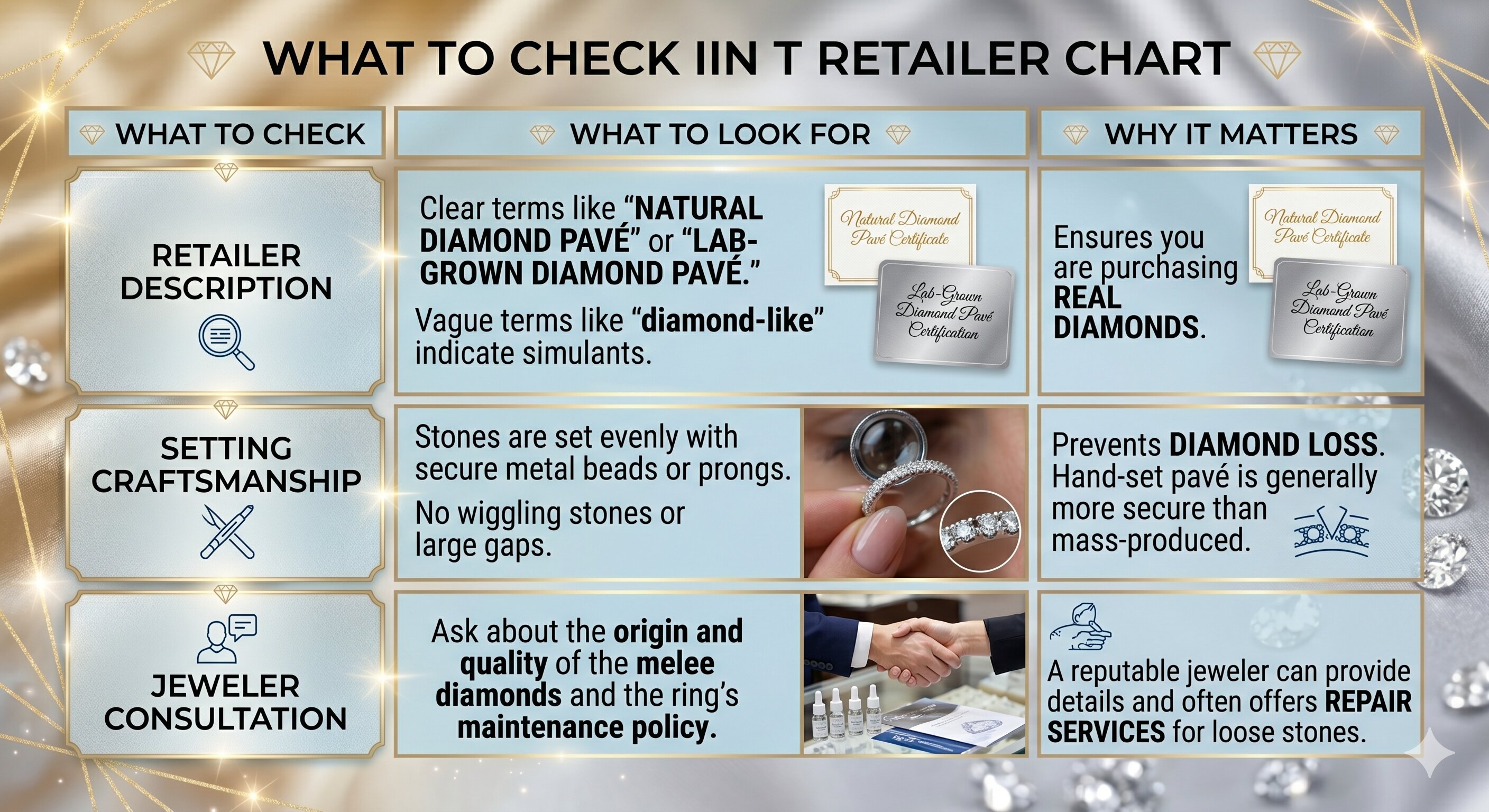
How to Verify the Quality of a Pavé Setting
Because the diamonds are so small, they aren't graded individually like a center stone. When evaluating a pavé ring, focus on craftsmanship and retailer transparency.
Is Pavé Setting Good For Everyday Wear?
While a pavé setting is certainly beautiful enough for everyday wear, it is not the most practical choice. It can be worn daily, but it requires significantly more careful maintenance and lifestyle adjustments than a simple solitaire ring.
Think of it as a trade-off between maximum sparkle and low-maintenance durability. Here is a summary of the key considerations:

Lifestyle Checklist for Wearing a Pavé Ring Daily
To make it work, you need to be proactive. If your lifestyle and habits match the following points, a pavé ring can last beautifully:
You'll remove it for:
Physical activities (gym, sports).
Household chores, gardening, or any manual work.
Showering, swimming, or using lotions/perfumes.
Sleeping, to avoid catching prongs on bedding.
You'll commit to:
Bi-weekly gentle cleaning with a soft brush and mild soap to prevent grime buildup.
Professional inspections every 6-12 months for a jeweler to check and tighten the tiny settings.
Choosing a durable metal like platinum or white gold for a more secure setting.
Key Decision Factors
Ultimately, choosing a pavé setting for everyday wear comes down to your personal priorities. If your primary goal is maximizing sparkle and visual impact and you are willing to commit to careful maintenance, it's a wonderful choice.
However, if your priority is a low-maintenance, worry-free ring that can withstand an active lifestyle without needing to be constantly removed and serviced, a simpler setting like a solitaire might be the more practical and durable option.
I hope this detailed breakdown helps you make a confident choice. If you have a specific activity or concern about your daily routine, feel free to ask—I can help you think through how a pavé ring might fit in.
What Is the Alternative To Pavé Setting?
Popular alternatives to a pavé setting include channel, bezel, and prong settings, each offering a distinct combination of durability, style, and maintenance needs.
The table below compares them directly with pavé settings on key factors:
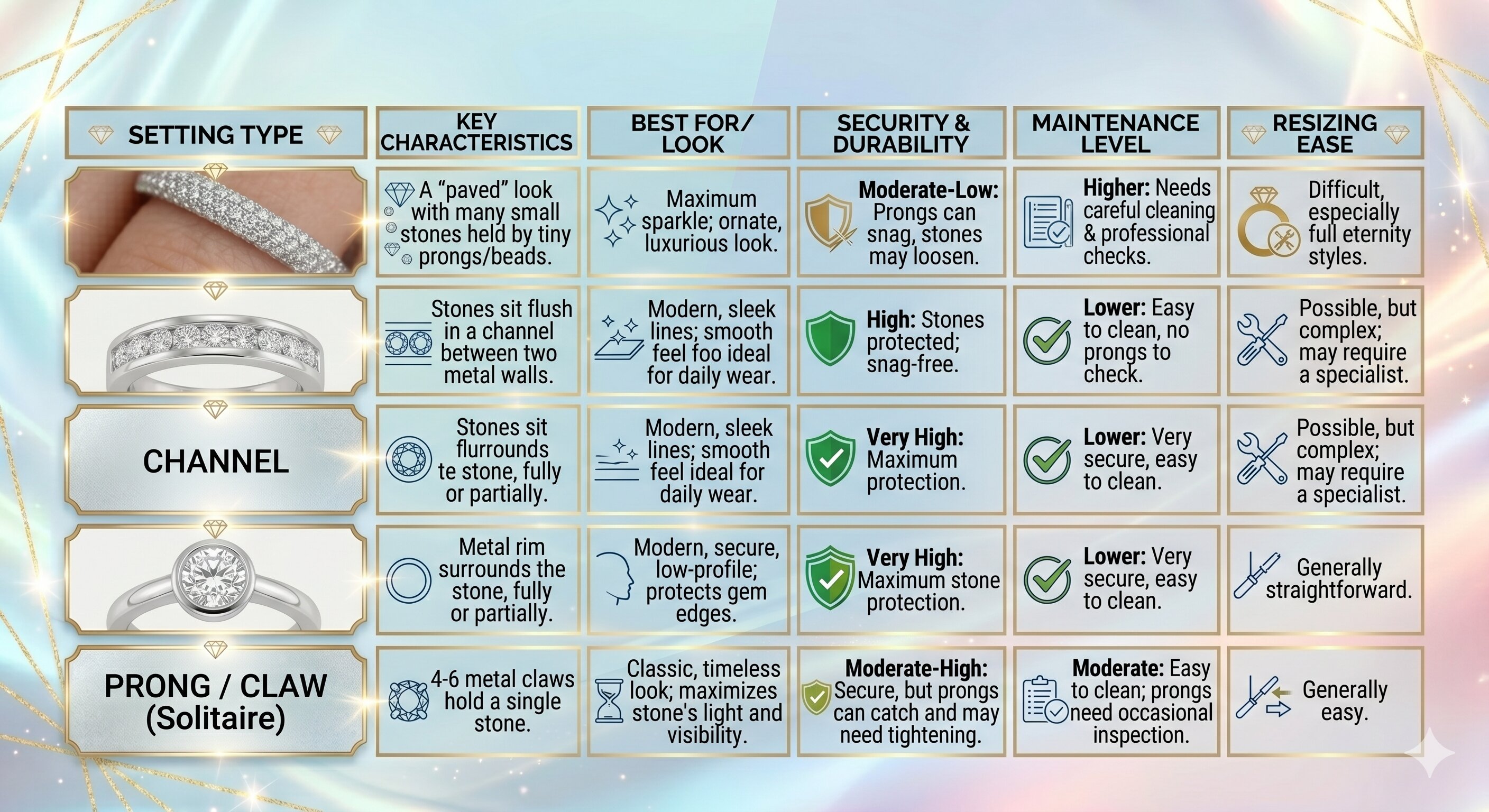
How to Choose Your Alternative
Select the alternative that best addresses your priorities:
Prioritize durability and low maintenance? Channel and bezel settings are the most robust and worry-free for active lifestyles.
Love classic style with a focus on one stone? A prong-set solitaire offers timeless elegance and brilliant sparkle.
Still drawn to sparkle but want more security? Look into bright-cut pavé (a hybrid with channel-like walls) or a half-eternity pavé band, which is easier to resize than a full eternity ring.
If you can share your top priority—whether it's durability, a specific style, or ease of care—I can offer more tailored suggestions on which setting to explore further.
Is It Easy To Lose Stones In A Pavé Setting?
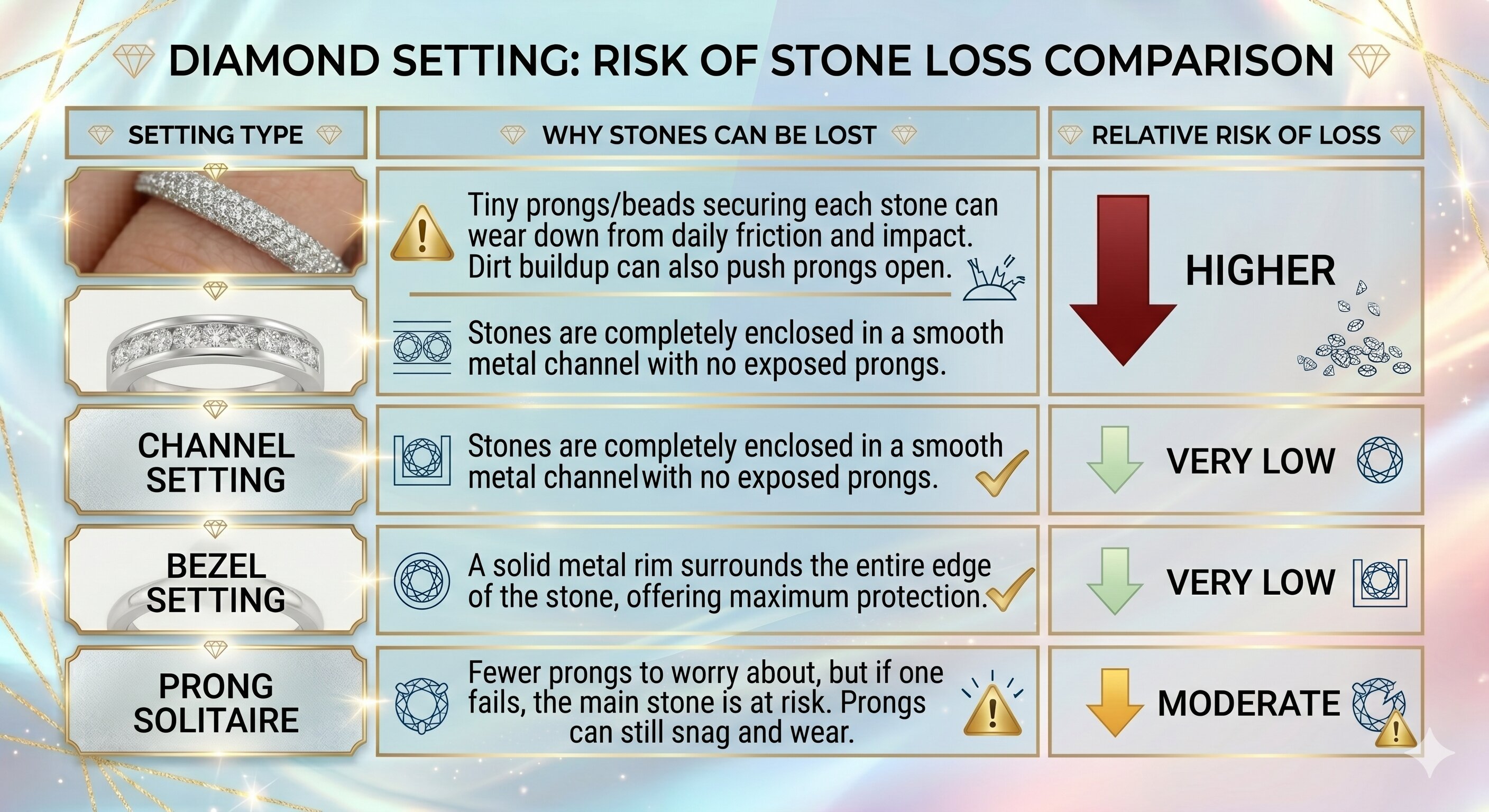
Yes, there is a higher risk of losing stones in a pavé setting compared to other ring styles. This is due to its intricate design featuring many small diamonds held by tiny metal beads or prongs.
However, with proper care, high-quality craftsmanship, and regular maintenance, this risk can be significantly minimized.
Why the Risk is Higher
The risk stems from the design itself. Here’s how pavé settings compare to others:
How to Minimize the Risk
You can protect your pavé ring by focusing on craftsmanship and maintenance:
Choose Quality Craftsmanship: Opt for hand-fabricated or hand-set pavé from a reputable jeweler. Machine-set pavé in mass-produced rings often has shallower settings and less secure stones.
Commit to Regular Maintenance:
Professional Check-ups: Have a jeweler inspect and tighten the settings every 6 to 12 months.
Gentle Home Cleaning: Clean regularly with a soft brush to prevent dirt, which can loosen prongs, from accumulating.
Mind Your Lifestyle:
Always remove your ring for physical activities (gym, sports), manual work (gardening, cleaning), and sleeping.
Avoid exposing it to harsh chemicals (bleach, chlorine) and extreme temperature changes.
A pavé setting is inherently more delicate, but it is not inherently fragile. Treating it as a piece of fine jewelry that requires conscious care and regular professional servicing is the key to keeping all its stones secure for a lifetime.
If you love the pavé look but are very active or prefer minimal maintenance, exploring a channel or bezel setting for the band might be a perfect compromise. Would you like more details on those alternatives?
Does Pavé Setting Make A Diamond Look Bigger?
Yes, a pavé setting is specifically designed to make a diamond look bigger. This is a well-known and effective optical illusion created by the setting style.
The effect works in two main ways:
Creating a Glittering Backdrop: The band is paved with small diamonds, acting as a continuous sparkle that draws the eye outwards from the center stone, enhancing its presence and perceived size.
Increasing Overall Sparkle: The collective brilliance of the many small diamonds (called "melee") adds so much fire and light that the entire ring appears more radiant, which amplifies the look of the center diamond.
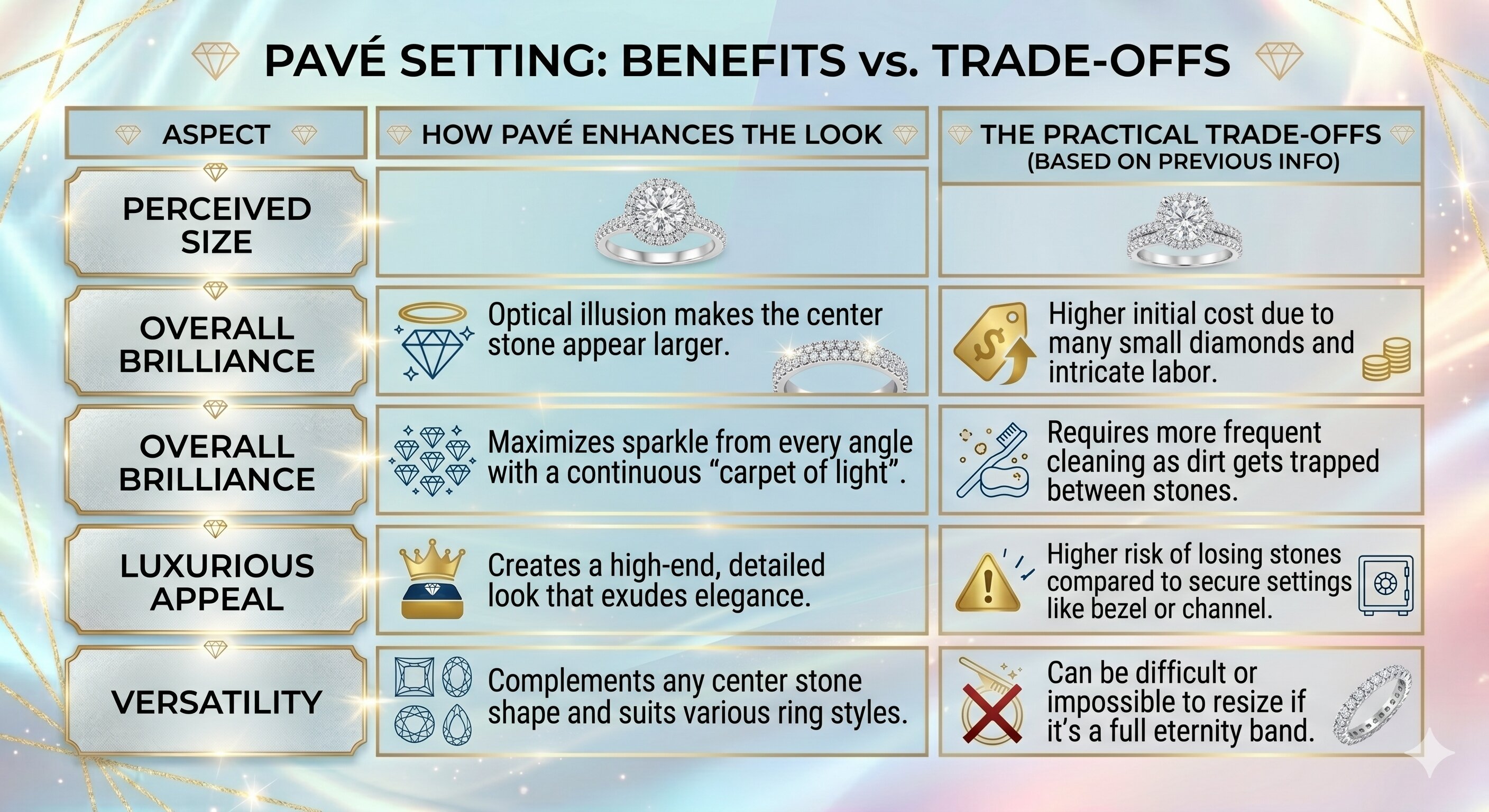
Visual Benefits vs. Practical Considerations
Here is how this visual advantage balances against the practical factors you've already asked about:
Maximizing the Effect
If you want to enhance the size illusion of a pavé ring further, consider these tips:
Choose a Slim Band: A thinner band creates a greater contrast, making the center stone appear more prominent.
Prioritize Diamond Cut: For the center stone, a better-cut diamond has more brilliance, which naturally draws the eye and enhances its appearance.
Opt for a Halo: A pavé halo (a circle of small diamonds around the main stone) is one of the most effective ways to make the center diamond look larger.
Consider Diamond Shape: Within your pavé setting, an elongated center stone shape (like oval or marquise) often looks larger per carat than a round one.
To summarize, a pavé setting is an excellent choice if your primary goal is to maximize the perceived size and sparkle of your diamond. This benefit comes with the trade-offs of higher maintenance and care requirements.
If you are deciding between a pavé setting and one of its more durable alternatives (like channel or bezel), I can help compare them directly based on the specific priorities you value most.
“You now know the definition, the diamond types, the pricing, the popular styles, the sparkle, the common problems, the ‘best‘ options, the security, the cons, the everyday-wear reality, the alternatives, the stone-loss risk, and the size illusion. The only question left: will you pave your finger with diamonds?
Our current collection includes a limited number of pavé setting rings — from classic micro-pavé bands to French pavé halos and shared prong designs. When certain styles are gone, restocking takes time because each tiny stone is hand-set, not machine-placed.
*This is not just a setting. It is 18th-century French royalty, Marie Antoinette‘s brooches, and 20 hours of a jeweler‘s patience — a surface paved with diamonds that sparkles when you raise your hand, and when you forget you are wearing it.”*
[Button: Secure Your Pavé Ring (Limited) →]
Why Vintage Cuts Stand Out: An Informative Look
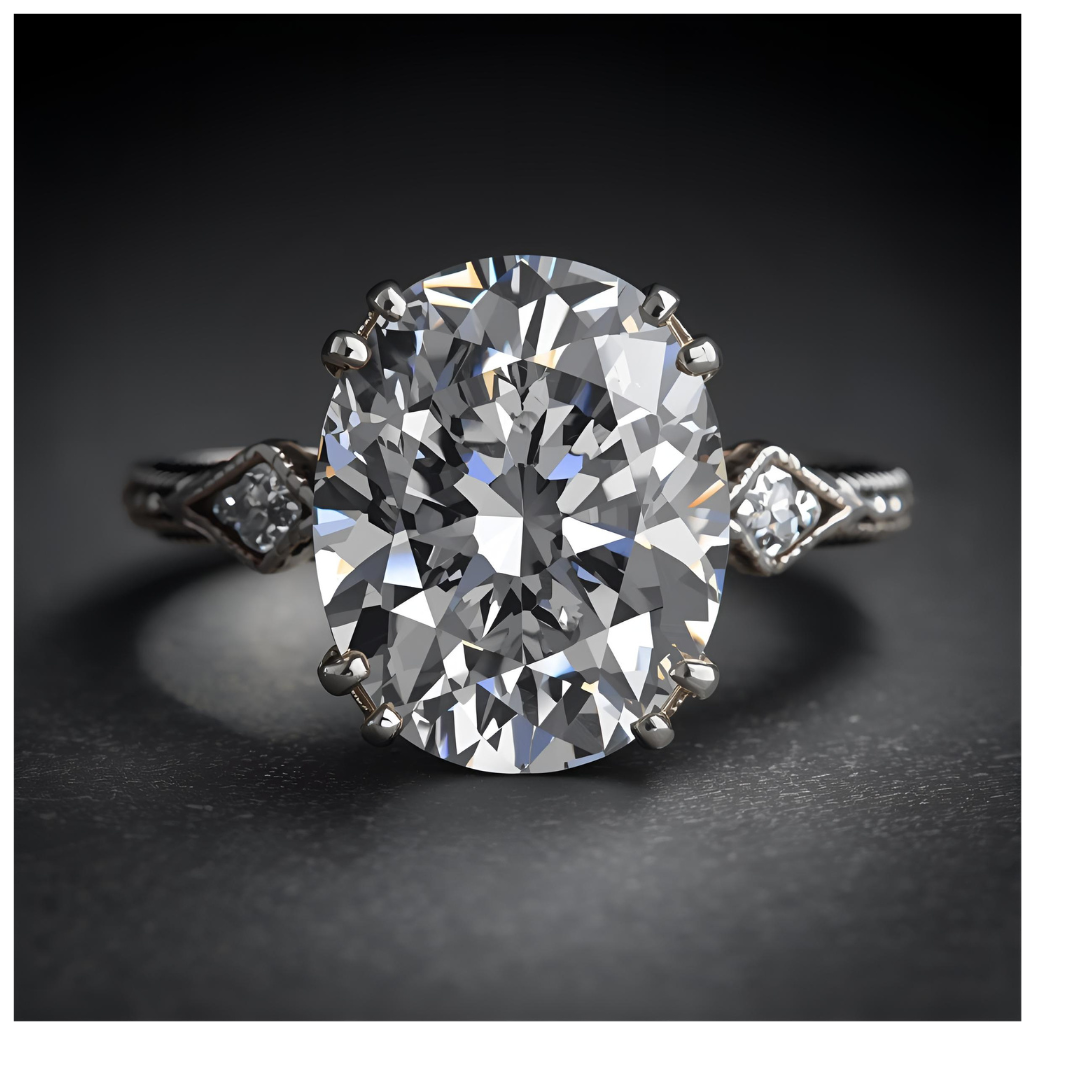
What Is A Vintage Cut?
That's an excellent question. The term "vintage cut" can refer to two distinct but related concepts, depending on whether one is discussing clothing/fashion or diamonds/gemstones.
“In 1902, the Asscher brothers of Amsterdam invented a square diamond cut with stepped facets and cropped corners. It became the signature of the Art Deco era—a time when geometry was glamour, and symmetry was sin. But by the 1950s, the round brilliant had taken over, and the Asscher faded. For decades, it sat in jewelry boxes, forgotten. Then, in the early 2000s, something happened. Brides started asking for ‘that square vintage diamond.‘ The Asscher was reborn. Vintage cuts do not die. They wait. They wait for a generation that finally understands: perfection is not the same as beauty.”
The same cuts that defined the Art Deco era now await your own timeless story — from Old European cuts to Old Mine cuts, from Rose cuts to Transitional cuts. Every vintage cut diamond in our collection is hand-selected for character, not perfection.”
[Button: Explore Vintage Cut Diamonds →]
What Is A Vintage Cut?
What Is Meant By Vintage Style?
Does Vintage Mean High Quality?
Are Vintage Diamonds Worth Anything?
Here’s a breakdown of both meanings.
1. Vintage Cut in Fashion
In the context of clothing, a vintage cut refers to the specific silhouette, pattern, and construction techniques that were popular in a particular historical era (typically anything from the 1920s to the 1980s).
It's not just about an "old-fashioned" look; it's about the precise way a garment is shaped to fit the body, reflecting the ideals of beauty and style of its time.
Key Characteristics of Vintage Clothing Cuts:
Era-Specific Silhouettes: Each decade has its own distinctive shape.
1920s: Dropped waists, straight and boxy "flapper" shapes.
1930s-1940s: Bias cuts that cling to the body, defined shoulders, and nipped-in waists.
1950s: The quintessential hourglass figure—full skirts, tiny defined waists (often with cinched belts), and structured bodices.
1960s: A-line shifts, trapeze shapes, and mod styles that move away from the defined waist.
1970s: Flowing, hippie-inspired maxi dresses, wrap dresses, and wide-legged pants.
Different Sizing: Vintage clothing often uses different sizing standards than modern clothing. A vintage size 12 might be closer to a modern size 6 or 8. They were also often cut for a different posture and foundation garment (e.g., girdles, bullet bras).
Attention to Detail & Construction: Vintage garments often feature details rarely found in modern fast fashion, such as French seams, bound buttonholes, and generous seam allowances, allowing for alterations.
Fabrication: They are made from natural fibers like silk, cotton, wool, and rayon, which were more common before the widespread use of polyester.
Why People Seek Vintage Cuts:
Unique Silhouette: They offer shapes that are hard to find in contemporary clothing (e.g., the dramatic 1950s hourglass).
Quality and Durability: Often better-made than modern equivalents.
Individuality: To stand out from mass-produced trends.
2. Vintage Cut in Diamonds and Gemstones
In the world of diamonds, a vintage cut (or "old mine cut" / "old European cut") refers to gemstones that were cut by hand before the development of modern precision machinery and computer algorithms. These cuts prioritize the gem's character and "fire" (the sparkle of colored light) over the uniform brilliance of modern stones.
Key Characteristics of Vintage Cut Diamonds:
Hand-Cut Symmetry: They are less symmetrical and precise than modern cuts. Facets might be slightly uneven, and the stone may not be perfectly round.
A High Pavilion and Small Table: They were cut to perform best under candlelight and early electric light, resulting in a chunkier, deeper appearance with a smaller top facet (table).
An Open Culet: The point at the bottom of the diamond (the culet) was often left flat or open, which can sometimes be seen as a small black dot through the table when looking face-up.
Extra Fire: The facet arrangement often creates a "chunkier," more prismatic sparkle with flashes of rainbow color, rather than the intense white brilliance of a modern stone.
Common Types:
Old European Cut: The direct predecessor to the modern round brilliant. Roundish shape, high crown, and small table.
Old Mine Cut: The precursor to the Old European Cut. Often has a cushion-like shape, a high crown, and a large culet.
Rose Cut: Flat bottom with a dome top covered in triangular facets, resembling a rosebud.
Transitional Cut: A bridge between old cuts and modern brilliants, showing more symmetry but still cut by hand.
Why People Seek Vintage Cut Gemstones:
Romance and History: Each stone has a unique story and was crafted by hand.
Unique Character: The imperfections and unique light performance are seen as desirable traits.
Antique Aesthetic: They are the perfect choice for antique and vintage-style jewelry (e.g., Art Deco, Victorian).
Summary of Differences
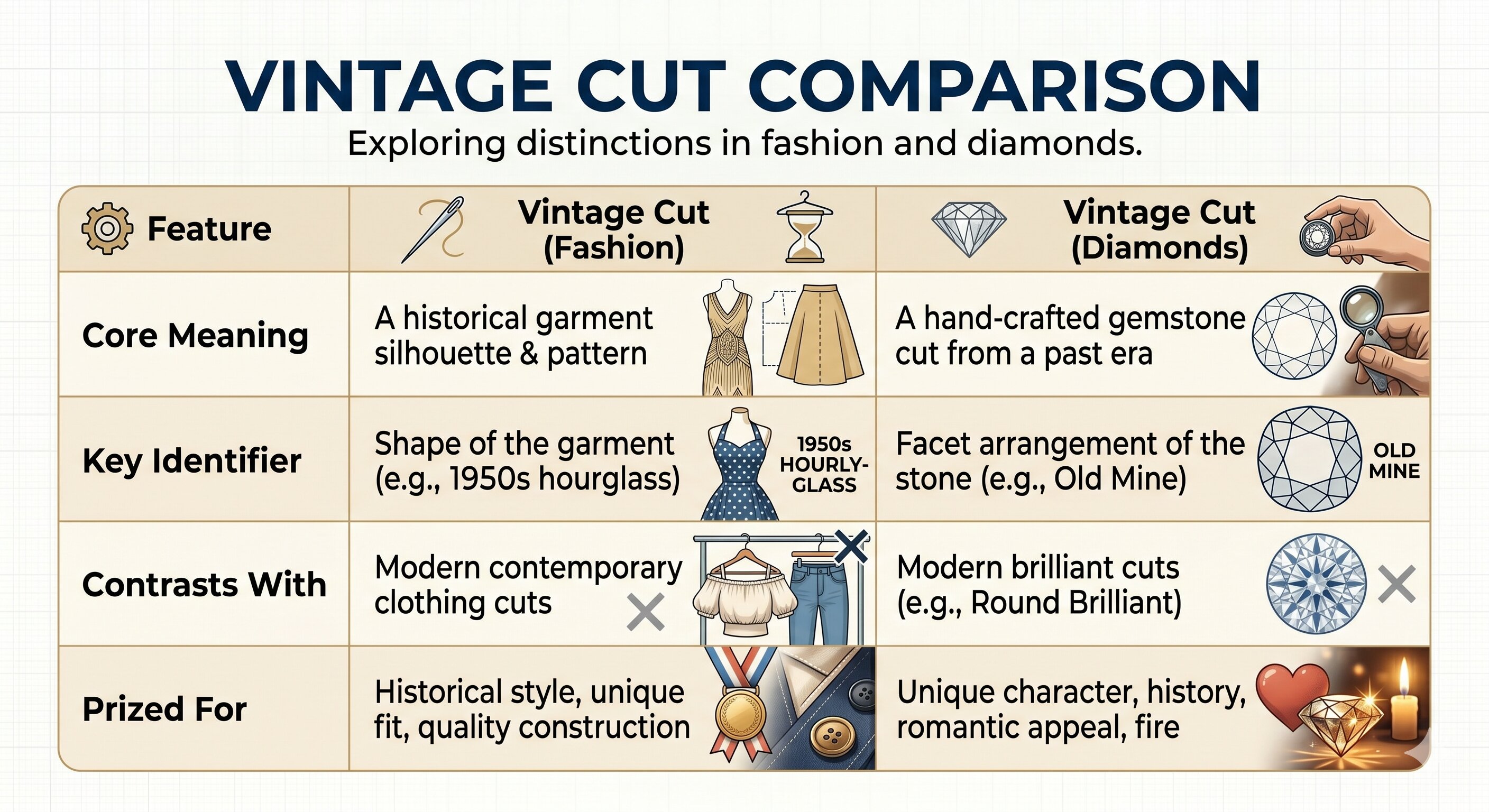
In short, whether in fashion or gems, a "vintage cut" signifies a specific, historical way of crafting something, resulting in a unique aesthetic and character that differs from its modern counterparts.
What Is Meant By Vintage Style?
While "vintage cut" is a technical term, "vintage style" is a broader aesthetic concept. It refers to the conscious imitation or evocation of the styles, aesthetics, and trends from the past, typically from the 1920s through the 1980s.
It's important to distinguish it from simply wearing or using actual vintage items. "Vintage style" is about capturing the essence of a bygone era, often using modern pieces, reproductions, or a curated mix of old and new.
Here’s a breakdown of what is meant by "vintage style":
Core Idea: Conscious Nostalgia
Vintage style is a deliberate choice to incorporate the design, fashion, and cultural elements of a previous generation into modern life. It's a form of storytelling through aesthetics.
Key Characteristics of Vintage Style
1. Era-Specific Inspiration:
People who adopt a vintage style often draw inspiration from a specific decade. Each decade has its own iconic look:
1920s: Flapper dresses, cloche hats, long pearl necklaces, Art Deco patterns, dropped waists, and fringe.
1930s: Bias-cut satin dresses, sleek silhouettes, backless gowns, and the rise of glamorous Hollywood style.
1940s: High-waisted trousers, tailored shoulder pads (the "power shoulder"), A-line skirts, victory rolls hairstyles, and utilitarian chic from the WWII era.
1950s: The quintessential "vintage" look for many—full circle skirts, nipped-in waists, pencil skirts, sweater sets, polka dots, and rockabilly culture.
1960s: Mod shift dresses, bold geometric patterns, go-go boots, psychedelic prints, and the early hippie movement.
1970s: Bell-bottom jeans, maxi dresses, peasant blouses, disco glam, earth tones, and bohemian (boho) patterns.
2. Focus on Specific Elements:
It's not always about a full head-to-toe costume. Vintage style can be achieved through key pieces or details:
Silhouette: The overall shape of an outfit (e.g., the 1950s hourglass).
Fabric: Using materials common in the past, like silk charmeuse, tweed, lace, or specific prints (e.g., retro florals, novelty prints).
Accessories: A crucial component. Think cat-eye glasses, a structured vintage-style handbag, a silk scarf, gloves, or classic pumps.
Hair and Makeup: Victory rolls, pin curls, winged eyeliner, red lips, or feathered 70s hair are integral to completing the look.
3. Quality and Craftsmanship Aesthetic:
Vintage style often rejects the disposable nature of fast fashion. It embraces an aesthetic of durability, natural fabrics, and details that suggest a bygone era of quality, even if the item is new.
Vintage Style vs. Related Terms
It's helpful to compare it to similar concepts:
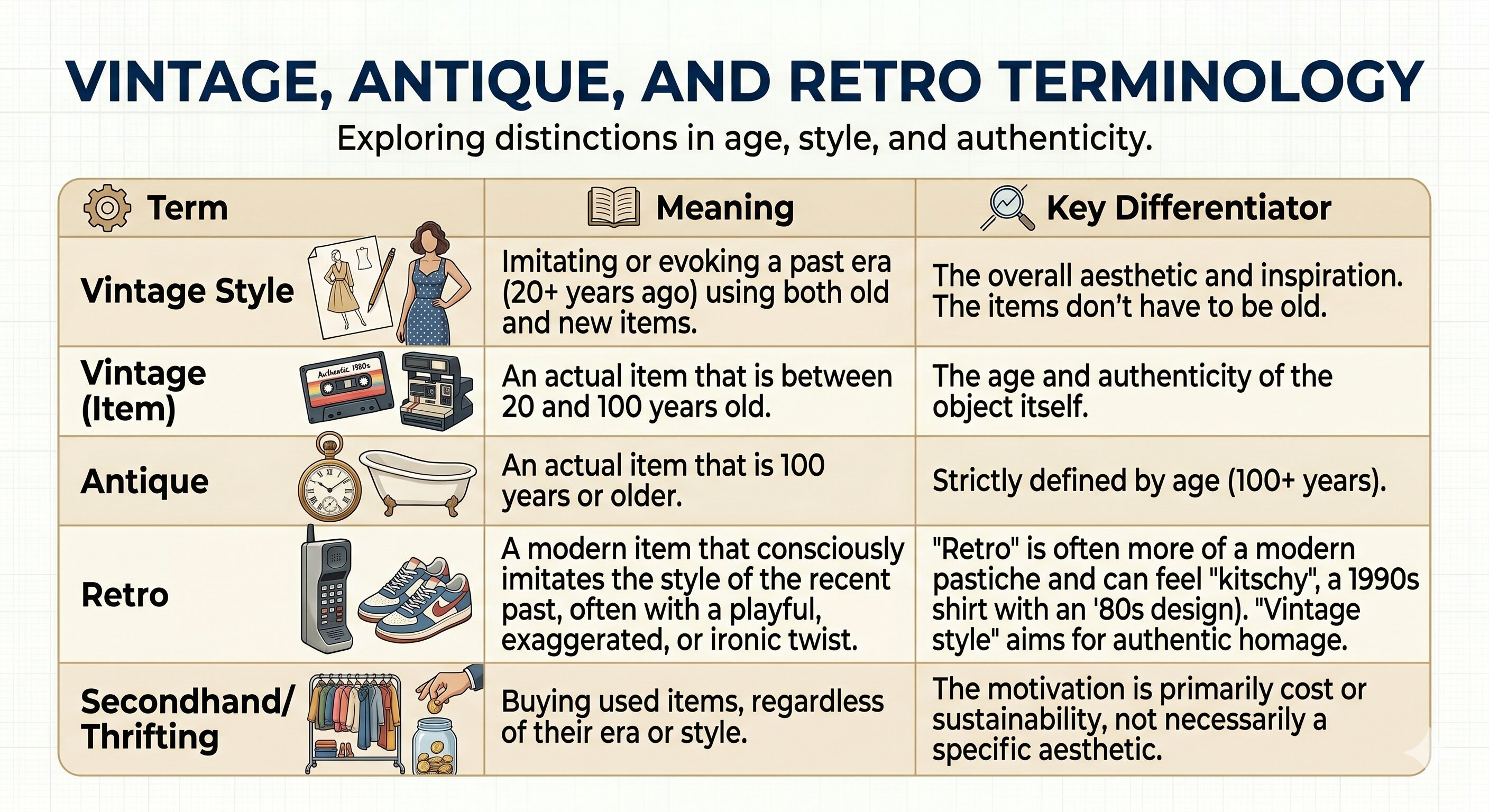
Why Do People Embrace Vintage Style?
Individuality and Self-Expression: It's a way to stand out from current, mass-produced trends and curate a unique personal identity.
Appreciation for Quality and Design: There's an admiration for the construction, fabrics, and design details of the past.
Romance and Nostalgia: It connects the wearer to a romanticized vision of the past, even an era they didn't live through.
Sustainability: Wearing true vintage items or well-made reproductions is a form of anti-fast-fashion, promoting reuse and reducing waste.
Cultural Connection: It can be a way to honor family heritage, a subculture (like rockabilly or steampunk), or a beloved historical period.
In essence, vintage style is a form of aesthetic time travel. It’s the active and enthusiastic incorporation of the past's visual language into one's present-day life, driven by nostalgia, individuality, and a deep appreciation for the design of previous eras.
Does Vintage Mean High Quality?
That's a fantastic and crucial question. The short answer is: Not necessarily.
While "vintage" often implies the potential for high quality, it is not a direct synonym for it. The association exists for good reasons, but it's important to understand the nuances.
Here’s a breakdown of why vintage gets linked with quality and when it doesn't live up to that reputation.
Why Vintage is OFTEN Associated with High Quality (The "Survivorship Bias")
This is the most important concept to understand. The vintage items we see today are the ones that survived.
The "Survivorship Bias": We don't see the poorly made items from the past because they fell apart, were thrown away, or worn to rags decades ago. The items that lasted 20, 50, or 70 years were typically the better-constructed ones made from durable materials. This creates a skewed perception that everything from the past was made better.
Durability over Disposability: Before the rise of fast fashion and planned obsolescence, many goods (especially clothing, furniture, and appliances) were designed to last. They were investments.
Clothing: Used natural fibers (silks, wools, high-quality cottons), had finer finishes (like French seams), and included features like generous seam allowances for alterations.
Furniture: Often uses solid wood and proper joinery (dovetail joints) instead of particleboard and staples.
Craftsmanship: Many vintage items were made with a higher degree of human hands-on work, both in design and manufacturing, which can lead to a level of detail and sturdiness that is expensive or rare today.
Why Vintage CAN ALSO Mean Low Quality
There Was Always "Fast Fashion": Every era had its low-end, cheaply produced goods. A polyester leisure suit from the 1970s or a flimsy, mass-produced dress from the 1950s was not a high-quality item then, and it isn't now. It just happens to be old.
The Effects of Time and Wear:
Fabric Degradation: Even the most beautiful silk can become brittle and shatter. Elastic dies. Linen can weaken. A garment can be perfectly construed, but simply be too fragile to wear.
Stains, Holes, and Damage: Vintage items may have irreparable flaws, moth holes, persistent odors, or stains that have set over decades.
Outdated Technology: In areas like electronics or cars, "vintage" often means less efficient, less safe, and less reliable than their modern counterparts. A vintage amplifier might have a wonderful "warm" sound, but it could also be prone to overheating and require constant maintenance.
Past Manufacturing Limitations: Sometimes, modern manufacturing techniques actually produce superior quality. For example, the precision of a modern brilliant-cut diamond creates more sparkle than a hand-cut vintage one. Modern waterproof and breathable fabrics (like GORE-TEX) outperform older raincoat materials.
How to Think About Vintage and Quality
Instead of a simple "yes" or "no," it's better to think of it as a filter for potential quality.
Vintage is a sign of potential. When you find a vintage item, it has passed the first test of time. The question is, "Was it high-quality to begin with, and has it been preserved well?"
You must evaluate each item individually. Check the seams, the fabric content, the joints and sand, and the hardware. Look for signs of wear and damage. An item's condition is just as important as its age.
"Vintage" describes age, not condition. An item can be vintage and be in pristine, "deadstock" condition, or it can be vintage and be a tattered wreck.
Vintage does not automatically mean high quality, but the best vintage items represent a level of quality and durability that can be hard to find in today's mass market.
The association exists because the low-quality items from the past are no longer with us, leaving behind a curated selection of the tougher, better-cared-for pieces. When you buy vintage, you are hunting for those high-quality survivors.
Are Vintage Diamonds Worth Anything?
Yes, absolutely. Vintage diamonds are not only worth something, but they can also be highly valuable and sought-after. However, their value is determined by a different set of criteria than modern diamonds.
Think of it like a classic car versus a new one. The new car is valued for its latest technology, efficiency, and perfect condition. The classic car is valued for its history, unique design, character, and rarity.
Here’s a detailed breakdown of what makes vintage diamonds valuable and how their worth is assessed.
Key Factors That Determine the Value of a Vintage Diamond
1. The "Cut" is King (And It's Different from Modern Cuts)
This is the most important factor for vintage diamonds. The cut refers to the geometric proportions and faceting style.
Historical Significance: Cuts like the Old European Cut (the direct predecessor to the modern round brilliant) or the Old Mine Cut (a cushion-shaped cut with a high crown and large culet) are prized for their historical charm and the skill of the hand-cutting process.
Unique Light Performance: These older cuts were designed to perform under candlelight. They prioritize "fire" (the flash of rainbow colors) over the stark white "brilliance" of a modern diamond. This creates a soft, romantic, and chunky sparkle that many people find captivating and unique.
Rarity: You cannot walk into a modern jewelry chain and buy a true, hand-cut Old Mine Cut diamond. Their scarcity adds to their value.
2. The Four Cs Still Matter, But Are Applied Differently
Carat Weight: This is a straightforward measure. Larger diamonds are rarer and more valuable, all else being equal.
Color: Vintage diamonds often have a warmer body color (like K, L, M on the color scale, or even lower). In the modern market, this would lower the value. However, in a vintage setting, a warm color can be desirable and authentic to the period. Truly colorless vintage diamonds are exceptionally rare and command a premium.
Clarity: Similar to color, the standards were different. Inclusions were more common and accepted. The key is that the inclusions do not compromise the diamond's structural integrity or completely obscure its beauty. An "eye-clean" vintage diamond is a great find.
Cut (Again): As mentioned above, this is the defining characteristic. Grading reports like the GIA will now grade some older cuts, but they do so with a different set of standards, acknowledging their unique proportions.
3. Provenance and History
A diamond with a documented history, especially if it can be linked to a specific era (like the Art Deco or Victorian periods) or, in rare cases, a famous previous owner, can have its value significantly increased. The story behind the stone is a tangible part of its worth.
4. The Setting and Overall Jewelry Piece
Vintage diamonds are often valued as part of their original setting.
Authenticity: A diamond in its original, undisturbed Art Deco, Edwardian, or Retro-era mounting is often more valuable than the stone alone. Dismantling a period piece can destroy historical and artistic value.
Craftsmanship: The quality of the metalwork (e.g., intricate milgrain, filigree, or hand-engraving) adds considerable value to the entire piece.
Style: Highly desirable styles like Art Deco are massively popular, which can drive up the price of a complete ring or brooch.
The Potential Downsides (What Can Lower Value)
Damage: Chips, large cracks, or poor re-cutting attempts can severely diminish a diamond's value.
Heavily Included or Cloudy Stones: If the inclusions make the diamond look dull or milky, it will be less valuable.
Being "Out of Style": While less common now, some vintage styles can be less sought-after than others, affecting the price of the complete piece.
Unknown Origin: Without a lab report from a reputable gemological institute (like GIA or AGS), it can be harder to command top dollar, as buyers have less certainty about what they are getting.
So, Are They a Good Investment?
As a Financial Investment: It can be speculative. The market for vintage diamonds is more niche than for modern ones. Their value is subject to the whims of fashion and collector interest.
As an Emotional and Aesthetic Investment: Absolutely. You are purchasing a one-of-a-kind piece of wearable history with unique character and charm that cannot be replicated by a modern, machine-cut diamond. You are paying for art and story, not just a commodity.
Conclusion
Yes, vintage diamonds are absolutely worth something, and often a significant amount. Their value lies in a combination of:
Rarity and Unique Character
Historical Craftsmanship
Distinctive Visual Appeal (softer, more fiery sparkle)
Antique Setting and Provenance
“In 2016, a 24-carat Old Mine Cut diamond sold at auction for $1.5 million. It was not the most brilliant diamond. It was not the most colorless. It had inclusions visible to the naked eye, a slightly off-round shape, and a culet that looked like a small window into the stone. But it had something no modern diamond could claim: it had been cut by hand in the 18th century, polished by a candle flame, and worn by three generations of one family. You cannot buy that story in a mall. You cannot order it online. You can only find it in the stones that time forgot. That is why vintage diamonds are priceless—not because they are perfect, but because they are irreplaceable.”
If you have a vintage diamond, it is highly recommended to have it appraised by a qualified gemologist or appraiser who specializes in antique and estate jewelry. They will understand the nuances of valuing these unique treasures and can give you the most accurate assessment of their worth.
“You now know the two meanings (fashion vs. gems), the vintage style aesthetic, the quality misconception, and the vintage diamond value. The only question left: will you choose a stone that was cut by candlelight?
Our current collection includes a limited number of genuine vintage cut diamonds — from Old European rounds to Old Mine cushions, from Rose cuts to Asschers. When these hand-cut stones are gone, they are gone. No machine will make another.
This is not just a diamond. It is the Asscher brothers‘ 1902 invention, the Art Deco‘s signature, the candlelit ballroom‘s sparkle — a stone that is not perfect, but is irreplaceable. Perfection is boring. Character is forever.”
[Button: Claim Your Vintage Cut Diamond (Limited) →]
News for Wednesday 05 November, 2025
View all news for Wednesday 05 November, 2025 on one page
Recent News
- Tuesday 04 November, 2025
- Monday 03 November, 2025
- Sunday 02 November, 2025
- Friday 31 October, 2025
- Thursday 30 October, 2025