

Promise Ring Guide: Meaning, Price, Finger, Age and Buying Tips
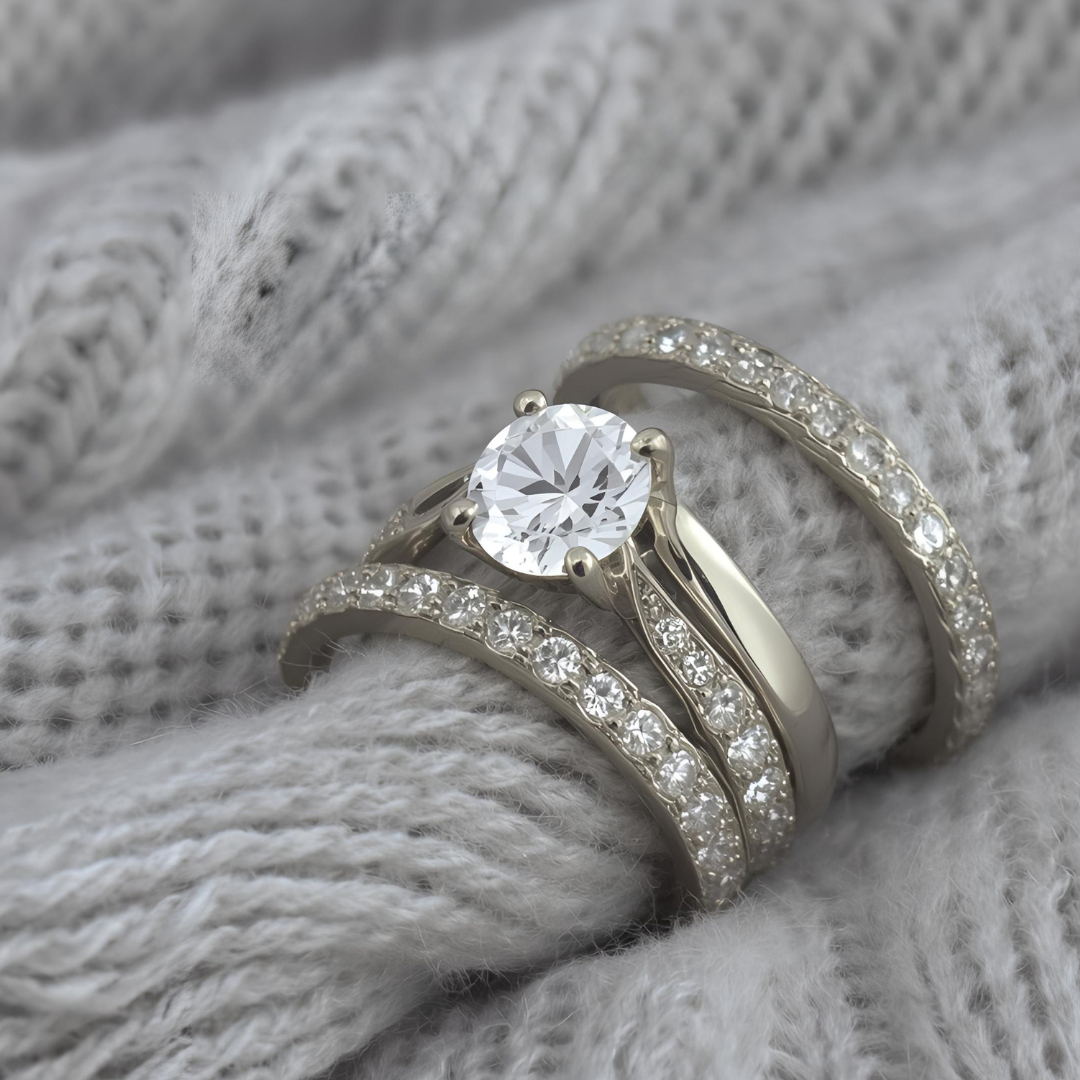
Silver Promise Rings: What You Need to Know Before Choosing
Let's break down everything you might want to know about a promise ring.
“In the 15th century, before engagement rings became standard, European lovers exchanged ‘posy rings‘ — simple gold or silver bands engraved with short poems inside. ‘Love me and never leave me,‘ one read. ‘As this ring turns, so my heart burns,‘ read another. These were not engagement rings. They were promises. Today, a promise ring carries the same weight: a vow written not in words, but in metal and stone. It says: I am not ready for forever yet — but I am ready for the next chapter with you. That is no less serious than an engagement. It is simply earlier in the same story.”
The same tradition that began with posy rings and acrostic rings now awaits your own promise. Whether you choose a simple silver band, a birthstone ring, or an engraved message inside, every promise ring in our collection is crafted to last — because a promise should.
[Button: Explore Promise Rings →]
Let us look at this table of contents;
- What Color Is A Promise Ring?
- What Is The Meaning Of A Promise Ring?
- What Age Is Appropriate For A Promise Ring?
- Choosing the Right Finger for Your Promise Ring
- What Does A Promise Ring Mean To Him?
- Does A Promise Ring Have To Be Gold?
- What Is A Reasonable Price For A Promise Ring?
- Are You Supposed To Buy Two Promise Rings?
- Is 3 Months Too Early For A Promise Ring?
- Is A Promise Ring A Big Deal?
- How Long Should You Wear A Promise Ring?
- Is A Promise Ring A Serious Commitment?
The first topic
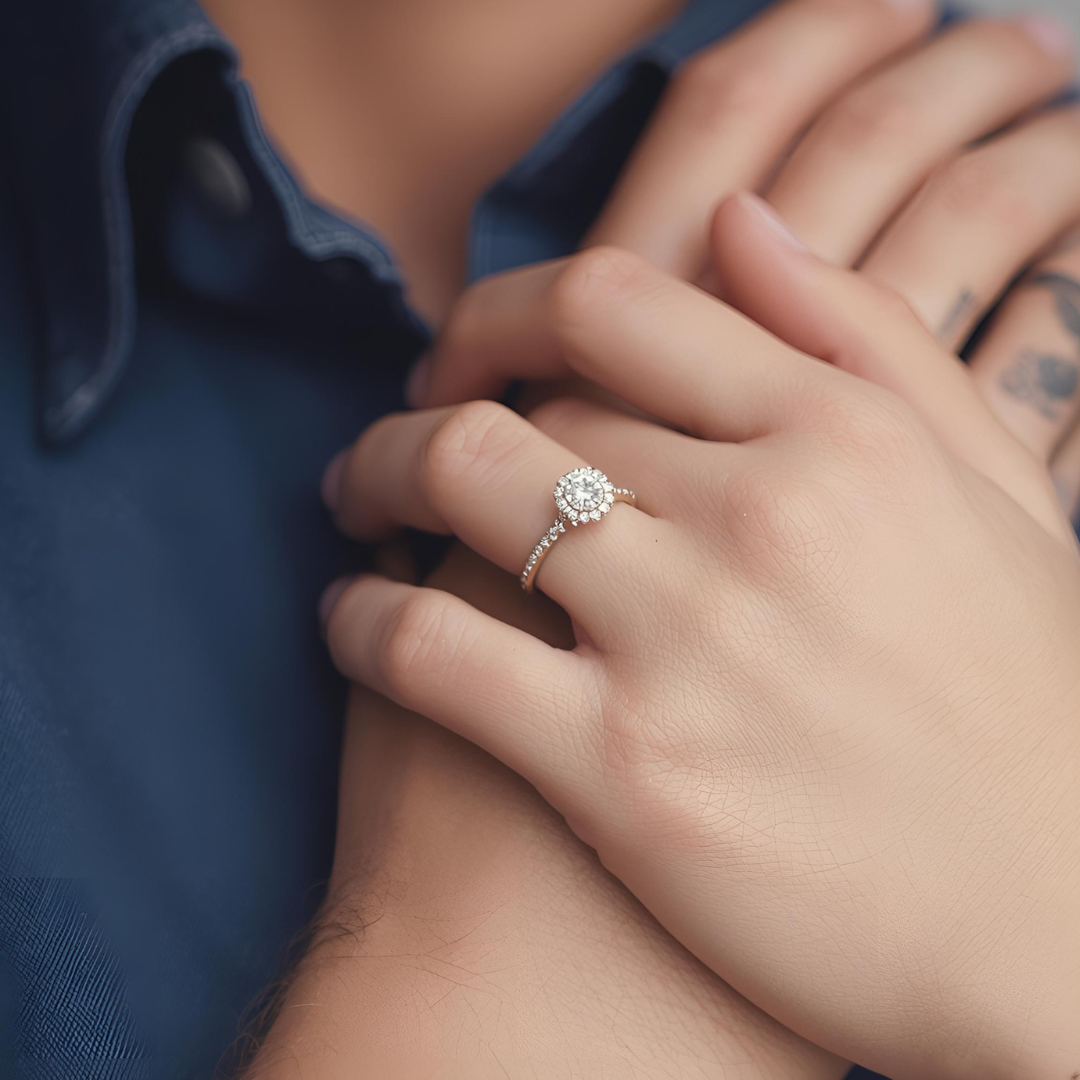
What Color Is A Promise Ring?
Excellent question! Unlike engagement rings, which traditionally feature a clear diamond, promise rings have no standard color.
This is because their meaning is personal and unique to each couple, and the ring's color and design reflect that individuality.
The color of a promise ring is determined by two main factors: the metal of the band and the gemstone (if any) chosen for the centerpiece.
Here’s a breakdown of the most common options and what they can symbolize:
1. Metal Color (The Band)
The band's metal sets the primary tone for the ring.
White Gold/Platinum: A very popular, modern, and classic choice. It looks sleek, elegant, and is often chosen for its similarity to traditional engagement jewelry without the high cost of a large diamond. It symbolizes modernity and commitment.
Yellow Gold: A timeless, warm, and romantic choice. It has a vintage, classic feel and often symbolizes warmth, loyalty, and enduring love.
Rose Gold: A trendy and deeply romantic option. Its pinkish hue symbolizes love, romance, and compassion. It's a unique and fashionable choice.
Silver: A more affordable and casual option. It can symbolize clarity, strength, and a modern, understated commitment.
2. Gemstone Color (The Centerpiece)
This is where you can add immense personal meaning. The gemstone is often chosen for its color and symbolism.
Diamond (Clear): While common in engagement rings, smaller diamonds are also used in promise rings. They symbolize everlasting love, strength, and commitment.
Her Birthstone: This is a wonderfully personal choice. It shows you've put thought into something unique to her. For example:
July (Ruby): Red for passion.
September (Sapphire): Blue for loyalty and wisdom.
October (Opal or Tourmaline): Multicolored or pink for creativity and hope.
His Birthstone: Incorporating his birthstone symbolizes that the promise is from him and represents his commitment to her.
A Stone with Specific Meaning: Many choose a gem for the symbolism behind its color.
Sapphire (Blue): Truth, loyalty, and trust.
Ruby (Red): Passion, love, and courage.
Emerald (Green): New beginnings, hope, and growth.
Amethyst (Purple): Stability, peace, and dedication.
Morganite (Peach/Pink): Love, compassion, and promise.
Most Common Overall Looks:
While there are no rules, the most common promise ring styles tend to be:
A simple silver or gold band (with no stone).
A dainty band with a small diamond or a few tiny diamonds.
A small ring with a colored gemstone (like a birthstone).

What Is The Meaning Of A Promise Ring?
Of course. The meaning of a promise ring is beautiful but can be nuanced, as it represents a significant commitment that falls just short of an engagement.
In its simplest form, a promise ring is a physical symbol of a serious commitment between two people in a romantic relationship. It's a way to make a tangible promise about the future of the relationship.
However, the specific meaning of that promise can vary greatly depending on the couple and their intentions. Here’s a breakdown of the most common meanings:
1. A Promise of Future Engagement (Most Common)
This is the most frequent meaning. The ring symbolizes a commitment that marriage is the goal, but the couple isn't quite ready for a formal engagement yet. Reasons for the wait can include:
Age: They might feel they are too young to get married.
Finances: They are saving for a wedding, a house, or the "perfect" engagement ring.
Life Stage: One or both partners are finishing school, starting a career, or navigating other life transitions.
Long-Distance: The couple wants to solidify their commitment while apart.
In this context, the ring says, "I am committed to you and our future together, and I promise we will get engaged when the time is right." It's often called a "pre-engagement" ring.
“In Victorian England, lovers exchanged ‘acrostic rings‘ — bands set with gemstones whose first letters spelled a secret word. A ruby (R), emerald (E), garnet (G), amethyst (A), ruby (R), diamond (D) spelled ‘REGARD.‘ A diamond (D), emerald (E), amethyst (A), ruby (R), emerald (E), sapphire (S), topaz (T) spelled ‘DEAREST.‘ These were promises hidden in plain sight — messages that only the wearer and the giver could decode. The promise ring has always been a secret language: between two people, for their ears only. What you promise is no one else‘s business. That is why it is called a promise — not a public declaration, but a private vow.”
2. A Promise of Monogamy and Fidelity
The ring can serve as a symbol of exclusive commitment. It's a vow to be faithful and dedicated to one another. It’s a way of saying, "I am yours, and you are mine," and wearing the ring signifies that they are "taken" and fully invested in the relationship.
3. A Promise of Love and Devotion
Sometimes the promise is less about a specific future event (like marriage) and more about the depth of their current bond. It can represent a vow to always be there for each other, to support one another's dreams, and to nurture the relationship.
This is common for couples who may not believe in marriage as an institution but still want to symbolize their lifelong commitment to each other.
4. A Promise of Purity or Abstinence (Traditional Meaning)
In a more traditional or religious context, a promise ring can be given as part of a "purity pledge" or "chastity vow." In this case, the wearer promises to remain abstinent until marriage. This is often given by a parent to a child or between partners.
What Age Is Appropriate For A Promise Ring?
Of course. This is an important question, as the appropriateness of a promise ring is less about a specific age number and much more about emotional maturity, life experience, and the specific context of the relationship.
There is no universal "right age," but we can break it down by common life stages to provide a clearer guide.
The Core Principle: Maturity Over Age
The essential factor isn't the number on a birth certificate, but whether both individuals are mature enough to:
Understand the significance of a serious commitment.
Communicate openly about their feelings and expectations.
Be on the same page about what the ring symbolizes.
Age & Life Stage Guidelines
Here’s a look at how promise rings are typically viewed at different stages:
1. Teenage Years (e.g., High School: 14-18)
Appropriateness: Highly situational and often debated.
Common Meaning: At this age, a promise ring often symbolizes a first serious love and a promise of commitment and fidelity while navigating high school. It's rarely a pre-engagement symbol but more of a "you are my one and only" gesture.
Considerations:
Parental View: Parents may see this as a sweet, innocent gesture or may be concerned that it's too serious for young teenagers.
Maturity is Key: The couple must understand this is likely not a forever commitment, but a meaningful step for their current stage. It's crucial to avoid unrealistic long-term pressure.
Budget: Rings should be inexpensive. The thought truly counts here.
Verdict: It can be appropriate if both individuals are mature and the meaning is clearly defined as a commitment to a serious relationship, not a promise of marriage.
2. Young Adulthood (e.g., College and Early Career: 18-25)
Appropriateness: This is the most common age range for promise rings.
Common Meaning: Here, the ring frequently shifts to a pre-engagement symbol. The couple is likely in love and sees a future together, but practical life barriers exist (finishing college, starting a career, financial instability, and long-distance).
Considerations:
This is a powerful way to say, "I am committed to our future and plan to marry you when we are more established."
Communication is critical at this stage to ensure both partners agree it's a step toward engagement and have a rough, mutual timeline in mind.
Verdict: Often very appropriate. This age group has the maturity to understand the weight of the commitment and often uses the ring to bridge the gap between dating and a formal engagement.
3. Adulthood (Late 20s and Beyond)
Appropriateness: Less common, but still meaningful in specific contexts.
Common Meaning: For couples who are committed but choose not to marry for personal, financial, or philosophical reasons, a promise ring can serve as a symbol of lifelong dedication and partnership without the legalities of marriage.
Considerations:
It can also be used to reaffirm commitment after a challenging period in a relationship or marriage.
At this stage, the line between a promise ring and a "commitment ring" can blur.
Verdict: Perfectly appropriate for symbolizing a deep, committed partnership outside of marriage.
Key Questions to Determine Appropriateness (For Any Age)
Instead of asking "How old should I be?", ask these questions:
How long have we been together? A promise ring usually comes after a substantial amount of time in a serious, stable relationship (often 1+ years).
Have we had a clear conversation about its meaning? This is non-negotiable. You must both agree on what the ring represents to avoid hurt feelings and confusion.
Are we both emotionally mature enough for this commitment? This involves honesty, fidelity, and the ability to handle the expectations that come with the ring.
What is our life situation? Are you in a stable place individually and as a couple to make a serious promise about the future?
For Minors: What are our parents' views? While not legally required, considering family opinions can be wise, as they often provide guidance and perspective.
Final Answer
There is no magic number. However:
Under 18: Proceed with caution. Ensure the commitment is realistic for your age and stage.
18-25: This is the "sweet spot" where promise rings are most traditionally given as a pre-engagement symbol.
26+: Perfectly appropriate for symbolizing a committed partnership without marriage.
Ultimately, the right age is when both people are emotionally ready to make and keep a significant promise about their relationship's future. The most important tool is always open and honest communication.
Learn more about the history of promise rings on Wikipedia's promise ring page.
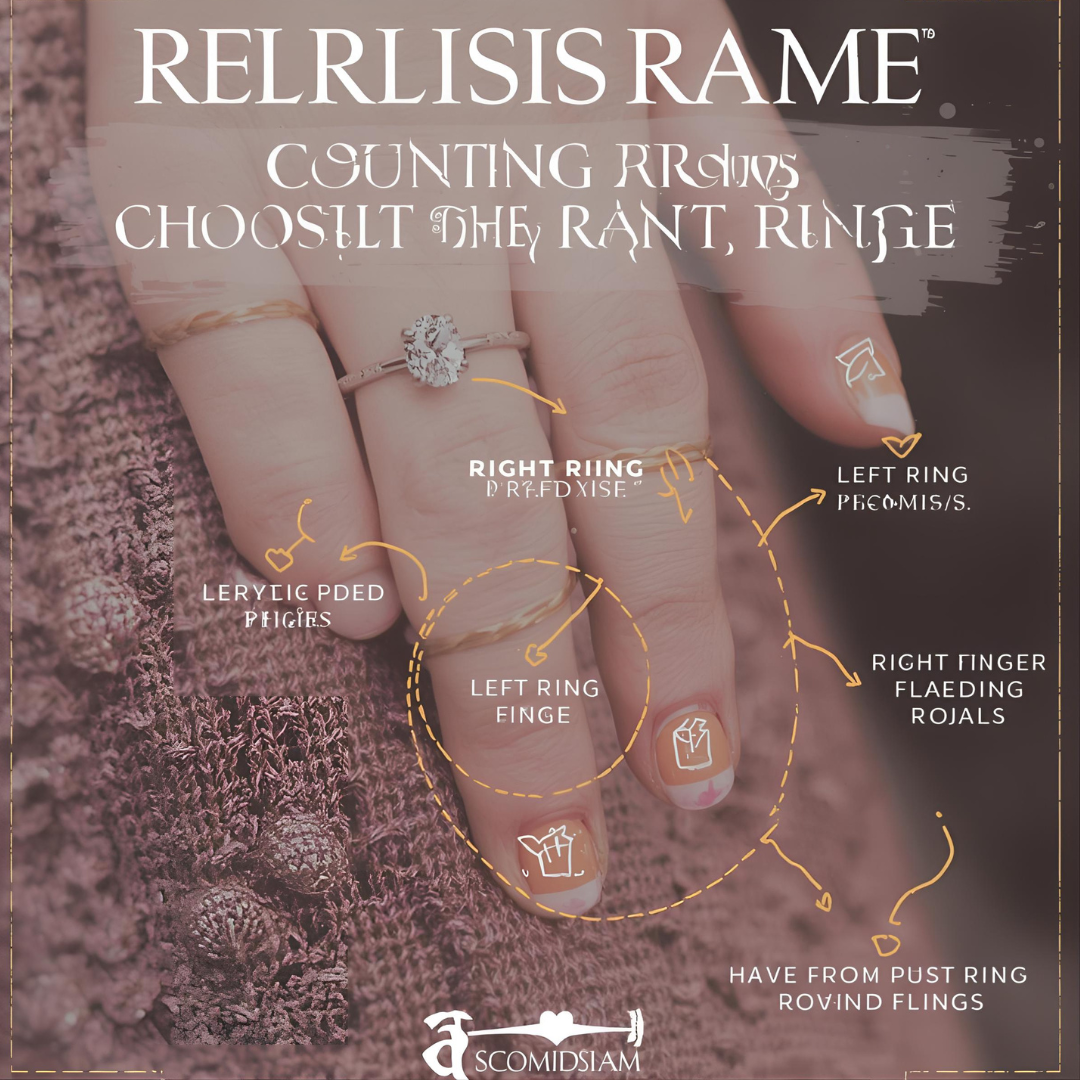
Choosing the Right Finger: A Guide to Wearing Your Promise Ring
The finger for a promise ring isn't rigidly defined by tradition (unlike engagement/wedding rings), but common practices and symbolism guide where people typically wear it. Here's a clear breakdown:
Most Common Placements
Left Ring Finger:
Why? It's the traditional "commitment finger" (used for engagement/wedding rings).
Message: Signals serious romantic intent, often as a pre-engagement symbol.
Note: If an engagement follows later, the promise ring may be moved to the right hand or another finger.
Right Ring Finger:
Why? Avoids confusion with engagement/wedding rings. Common in cultures like Russia, Germany, and India, where wedding rings are worn on the right hand.
Message: Still signifies commitment, but keeps the left ring finger "open" for future engagement.
Other Fingers & Meanings
Middle Finger: A bold, visible choice. Suggests commitment without romantic connotations (e.g., friendship, self-promise).
Index Finger: Less common, but emphasizes a "statement" of dedication (e.g., religious vows or personal goals).
Pinky Finger: Rare for promises; more associated with fashion or family crests (signet rings).
Key Factors to Consider
Intent:
Romantic promise? → Left or right ring finger.
Friendship/fidelity? → Right hand (any finger).
Self-commitment (e.g., sobriety)? → Any meaningful finger.
Cultural Norms:
In Western countries, the left ring finger is widely recognized for romance.
Orthodox Christian, Indian, or Central European cultures often use the right ring finger for marriage symbols.
Practicality:
If you’ll wear an engagement ring later, start with the right hand to avoid confusion.
Match your partner’s placement if it’s a mutual promise.

For official ring sizing information, visit the American Gem Society's ring size guide.
What Does A Promise Ring Mean To Him?
Of course. This is an excellent question, as the meaning can vary greatly depending on the context of the relationship and the intentions behind it.
For a man, a promise ring is a tangible symbol of a serious, exclusive commitment, with the intention of a future together. It's a step above dating but not yet an official engagement.
Here’s a breakdown of what a promise ring can mean for him, from different perspectives:
Core Meanings & Intentions
A Pre-Engagement Promise: This is the most common meaning. He is saying, "You are the one I plan to marry, and I am committed to that path, but now is not the right time for a formal engagement." The reasons for the delay could be:
Financial: Saving for the "right" engagement ring or a wedding.
Practical: Finishing school, establishing a career, or long-distance.
Age/Stage: He might feel you're both too young for marriage, but he wants to solidify your exclusive future together.
A Promise of Fidelity and Exclusivity: He is making a solemn vow to be faithful and dedicated to you. It’s a physical reminder that he is "off the market" and fully invested in the relationship. It can be a way to reinforce trust and security.
A Symbol of a Deep Emotional Connection: The ring can represent a specific, profound promise that isn't necessarily about marriage. This could be:
A promise to always be there for you through hard times.
A promise to build a life together (e.g., moving in, getting a pet, supporting each other's dreams).
A renewal of commitment after a rough patch in the relationship.
A Personal Vow to Himself (Less Common): In some cases, a man might wear a promise ring as a symbol of a commitment to himself—a vow to remain pure until marriage, to achieve a personal goal, or to uphold a certain set of values.
What Does It Mean For Him Emotionally And Practically?
He is Serious: He wouldn't give a ring, a symbol with significant weight, if he weren't serious about you and the relationship's future.
He is Thoughtful: He has put time and consideration into this gesture. He's thinking about the long-term, not just the present.
He Wants to Make You Happy: He knows this symbol will mean something to you and wants to give you that security and joy.
He Wears His Commitment: If he also wears a ring (like a band on his right hand or a necklace), it's a public and private declaration of his commitment to you.
Potential Ambiguity and How to Address It
The biggest "issue" with promise rings is that the meaning isn't universally defined like an engagement ring is. This can sometimes lead to mismatched expectations.
For him, it might mean one thing, while for you, it might mean another.
This is why communication is absolutely crucial.
What He (and You) Should Do: The Conversation
If you are giving him a promise ring or receiving one from him, it's vital to have an open discussion to ensure you're on the same page. Here are some questions to ask:
"What does this ring represent for you?" (This is the most important question.)
"What are we promising each other with this?"
"What does this mean for our future timeline?"
"Is this a step towards engagement for you, and if so, what does that future look like?"
Having this conversation prevents hurt feelings and ensures the ring is a positive symbol of a shared understanding.
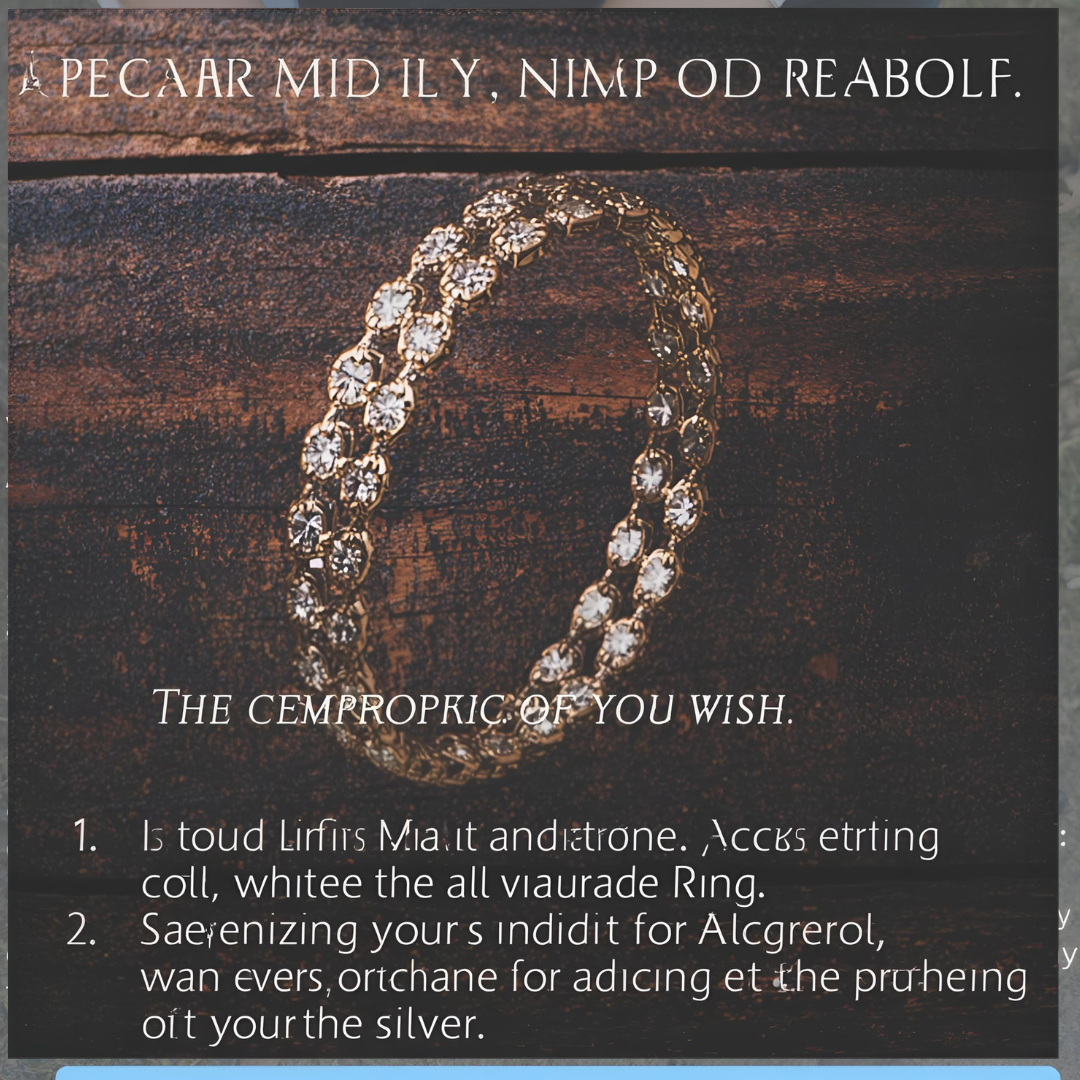
Does A Promise Ring Have To Be Gold?
Here's why gold isn't required and why other materials (like silver) are perfectly valid:
The Symbolism is Key: The entire purpose of a promise ring is the meaning and commitment it represents – love, fidelity, abstinence, future intention, friendship, etc. The value lies in the promise itself, not the monetary value of the ring.
Personal Preference & Style: The ring should reflect the wearer's taste. Some people prefer the warm look of gold (yellow, white, or rose), while others love the cool shine of silver. Forcing someone to wear gold if they dislike it undermines the personal meaning.
Affordability: Gold (especially higher karats like 14k or 18k) is significantly more expensive than silver, stainless steel, titanium, tungsten, or alternative metals. Silver makes promise rings accessible to younger couples, students, or anyone on a budget without diminishing the sentiment.
Versatility: Silver is incredibly versatile. It suits all genders and a wide range of styles, from simple bands to intricate designs with stones. It also pairs easily with other jewelry.
Durability: Sterling silver (925 silver) is durable enough for everyday wear, which is important for a ring symbolizing an ongoing commitment.
Popular Alternatives to Gold:
Sterling Silver: By far the most common and popular choice for promise rings.
White Gold: Offers a similar look to platinum/silver but is a gold alloy (often more expensive than silver).
Rose Gold: A popular, trendy gold alloy with a pink hue.
Platinum: Very durable and hypoallergenic, but significantly more expensive.
Alternative Metals: Titanium, Tungsten Carbide, Stainless Steel (known for extreme durability and often lower cost).
Gemstones: silver women's promise rings can feature diamonds, birthstones, or other gems set in any metal, including silver.
For more on jewelry metals and their properties, visit the GIA Jewelry Metals Guide.
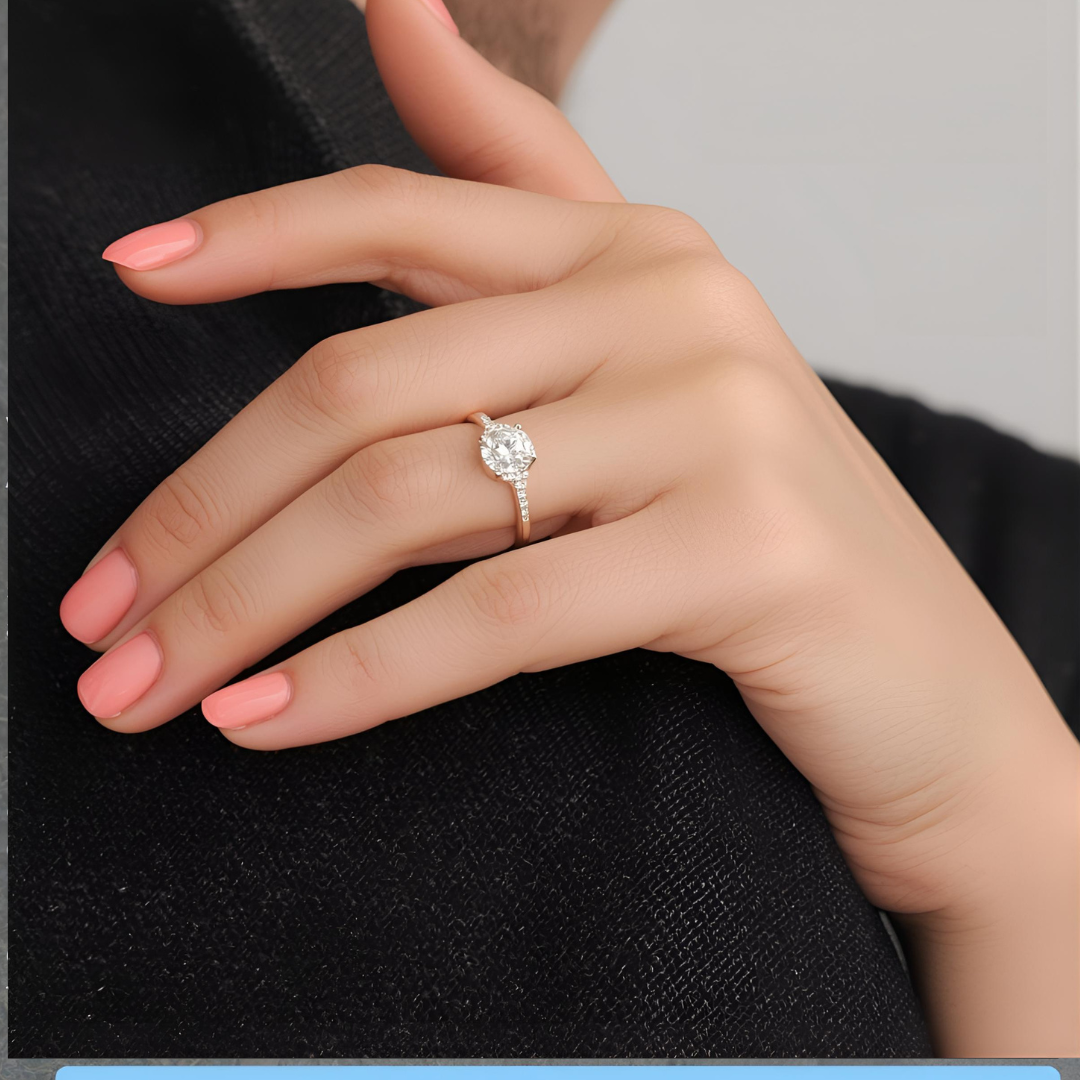
What Is A Reasonable Price For A Promise Ring?
There's no single "right" price for a promise ring, as "reasonable" depends heavily on your budget, the materials, the design, and the significance you place on it. However, here's a breakdown of typical price ranges to give you a realistic idea:
Budget-Friendly ($20 - $75):
What you get: Simple sterling silver bands, minimalist designs, very small cubic zirconia or synthetic stones, alternative metals (stainless steel, titanium).
Perfect for: Younger couples, those on a tight budget, and those for whom the pure symbolism is the most important factor.
Common & Popular Range ($75 - $250):
What you get: This is the most common sweet spot for promise rings. You'll find a vast selection of:
Quality sterling silver rings with nicer designs (etched, braided, engraved).
Silver rings with small genuine gemstones (like birthstones) or small diamonds (often melee diamonds, 0.01-0.10 ct total weight).
Simple 10k or 14k gold bands (especially thinner ones).
More intricate designs in durable alternative metals.
Perfect for: Most people wanting a good balance of quality, style, and symbolism without overspending.
Higher End ($250 - $1,000+):
What you get: More substantial pieces:
Solid gold rings (10k, 14k, even 18k) with more design detail or larger bands.
Rings featuring larger or higher-quality diamonds or gemstones.
Unique designs, designer brands, or platinum.
Perfect for: Those with a larger budget, individuals who prefer finer jewelry, or situations where the promise ring might later transition into an engagement ring.
Key Factors Influencing Price:
Metal: Sterling silver is the most affordable common precious metal. Gold (especially higher karat like 18k) and platinum are significantly more expensive.
Stones: Diamonds (size, quality, number) drastically increase cost. Small natural diamonds or larger lab-grown diamonds are more affordable than large natural diamonds. Colored gemstones vary wildly in price.
Design & Craftsmanship: Intricate details, brand name, handcrafted vs. mass-produced, and weight of metal all affect price.
What's MOST Important (and Reasonable):
Your Budget: This is the ultimate decider. Never go into debt for a promise ring. A ring bought within your means is always reasonable. The sentiment matters far more than the price tag.
Meaning & Intent: The value comes from the promise it represents.
Quality for the Price: Ensure you're getting fair value. Sterling silver should be marked "925." Research typical prices for the metal and stones you're considering.
Wearability: Choose something durable enough (like sterling silver or gold) if it will be worn daily.
Recommendation for "Reasonable":
For most people, especially younger couples or first significant commitments, $75 to $250 is a very common and reasonable range. This allows for a good quality sterling silver ring with a nice design or small stones, or a simple gold band.
Under $50 is reasonable if you prioritize symbolism and find a simple, well-made piece you love.
Spending over $500 starts moving into territory that overlaps with entry-level engagement rings, so be sure that it aligns with your intentions and budget.
Where to Shop for Value:
Local Independent Jewelers: Can offer personalized service, unique designs, and sometimes better craftsmanship. May be willing to negotiate or work within your budget.
Avoid: Overpaying just because it's marketed as a "promise ring." Compare similar styles sold as fashion rings or simple bands.

Are You Supposed To Buy Two Promise Rings?
That's a great question—and the answer is flexible! There's no strict rule about whether you need one promise ring or two. It depends entirely on your relationship, intentions, and personal preferences. Here's a breakdown to help you decide:
Scenario 1: Two Promise Rings (Most Common for Couples)
Why? Symbolizes mutual commitment. Both partners wear a ring as a sign of their shared promise (like fidelity, plans, or dedication).
How it works: It is often exchanged in a small ceremony or given to each other simultaneously.
Design: Rings may match, complement each other, or be unique to each person’s style.
Best for: Couples making the promise together (e.g., partners committing to a future engagement, staying faithful, or prioritizing the relationship).
✅ Scenario 2: One Promise Ring (Also Very Common)
Why? Focuses on one person’s commitment to the other.
How it works: One partner gives the ring to the other as a surprise or meaningful gift. Only the recipient wears it.
Examples:
A promise to wait for marriage (purity ring).
A promise of future engagement ("I’m committed to you long-term").
A vow to stay faithful while apart (e.g., long-distance).
Best for: Asymmetrical promises, surprise gifts, or when one partner isn’t a ring-wearer.
Key Considerations:
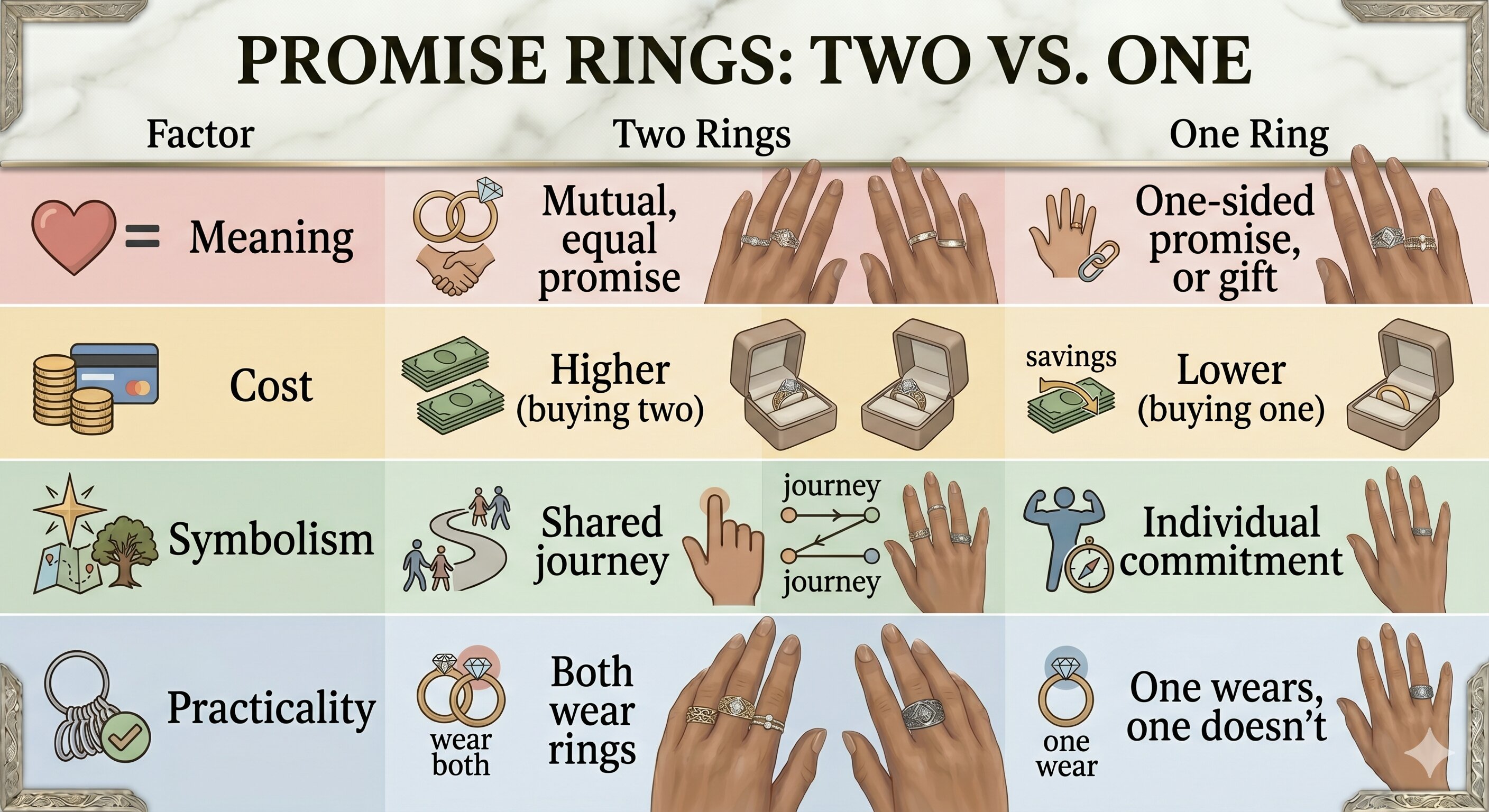
Which Should You Choose?
Choose TWO rings if:
You’re both actively making the same promise.
You want visible symbols of commitment for both partners.
The budget allows for two pieces.
Choose ONE ring if:
The promise originates from one person (e.g., "I promise to be faithful to you").
Your partner doesn’t typically wear jewelry.
You’re on a tighter budget.
It’s a surprise gift!
Important Notes:
Communication is key: Discuss what the ring means before giving it. Avoid ambiguity!
No pressure: Not every promise requires a ring at all—some couples prefer other symbols (bracelets, tattoos) or simply verbal commitments.
Traditional ≠ rule: While exchanging two rings is common today, history includes many examples of single promise rings (e.g., Victorian "regard rings" or chastity rings).
In short: You can absolutely buy just one promise ring, or two—it’s about what feels meaningful to your relationship. What matters most is the sincerity behind the promise, not the number of rings.
Is 3 Months Too Early For A Promise Ring?
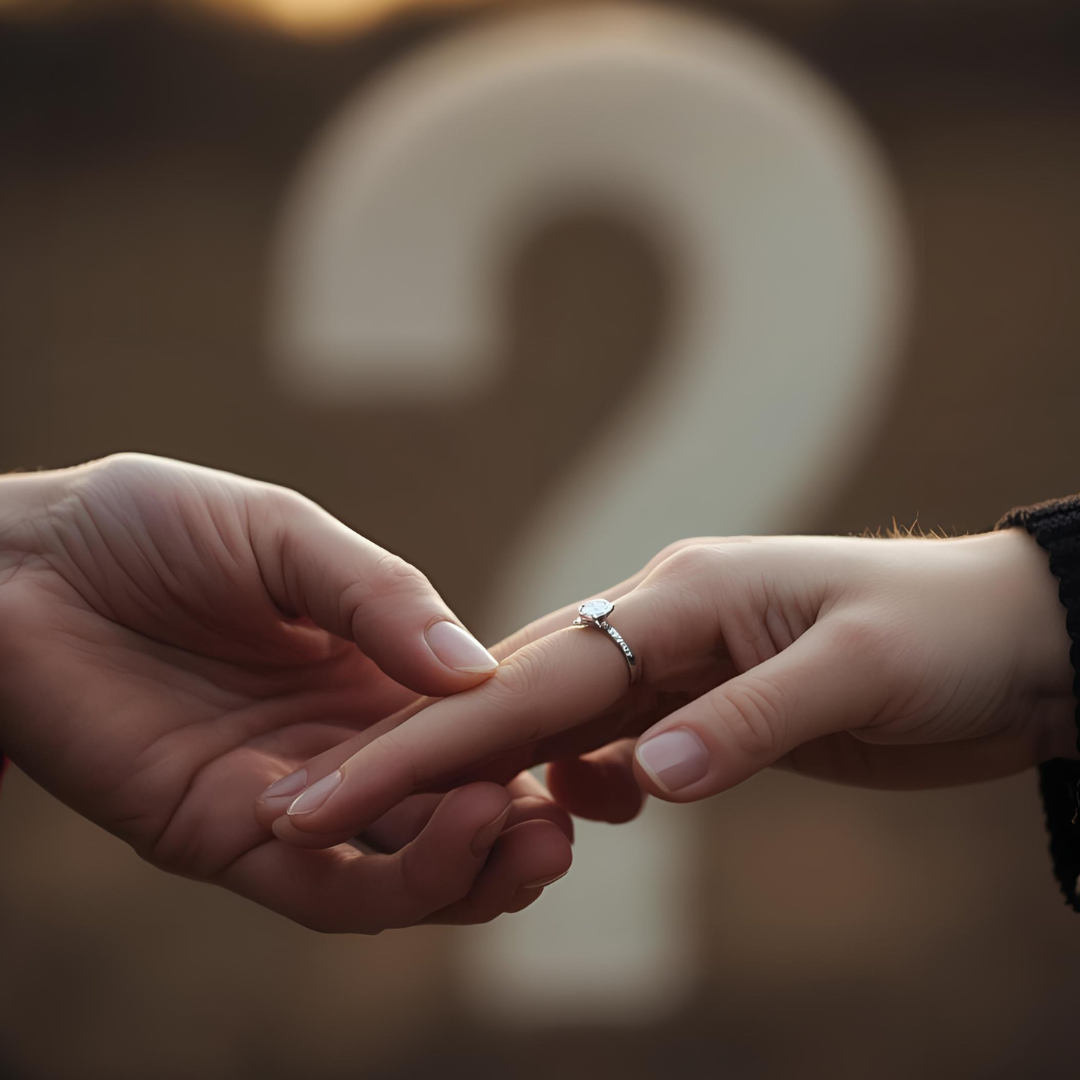
That's a really thoughtful question—and the answer isn't a simple "yes" or "no." Three months can be too early for a promise ring for some couples, but it might feel right for others. It depends entirely on your relationship's depth, mutual understanding, and the meaning behind the ring.
Here’s a balanced perspective to help you decide:
Why 3 Months Might Be Too Early:
Relationship Stage: At 3 months, many couples are still in the "honeymoon phase," discovering each other’s personalities, habits, and values. Major incompatibilities might not have surfaced yet.
Risk of Premature Pressure: A silver promise ring for women symbolizes serious commitment (e.g., exclusivity, flans). Giving one too soon might feel overwhelming or rushed to your partner.
Misaligned Expectations: If you haven’t discussed long-term goals (marriage, kids, location, values), the ring’s meaning could be unclear or even misinterpreted (e.g., as an engagement ring).
Symbolism vs. Reality: A ring is a powerful symbol—make sure your actions and relationship maturity align with that symbol first.
When 3 Months Might Be Okay:
Pre-Existing Connection: If you knew each other deeply as friends for years before dating, 3 3-month romantic relationship ight feel longer.
Clear, Mutual Intent: You’ve had open conversations about commitment, exclusivity, and what the ring represents (e.g., "I’m all in with you; let’s build a future").
Low-Pressure Meaning: If the ring symbolizes something specific and mutually agreed-upon (e.g., "I promise to be faithful while we’re long-distance," or a "purity ring" in a shared faith context), it may feel appropriate.
Your Partner’s Readiness: If they’ve hinted at or expressed a desire for deeper commitment, it’s less risky.
Key Questions to Ask Yourself:
Have we had "the talk"? Are you officially exclusive? Have you discussed your vision for the future?
Does my partner want a symbol of commitment? (Some people dislike jewelry or find rings too serious early on.)
What does this ring mean to us? Be specific—avoid ambiguity.
Could this feel like a substitute for an engagement ring? If so, 3 months is almost always too soon.
Is this about my anxiety or our shared bond? (Don’t use a ring to "lock down" a shaky connection).
Practical Advice:
Talk FIRST, ring later: Have a heartfelt conversation about your feelings, intentions, and where you see the relationship going. Gauge their reaction before surprising them with a ring.
Consider a "less loaded" gift: A meaningful necklace, bracelet, or handwritten letter might feel more appropriate at 3 months while still showing commitment.
Wait for a milestone: Many couples wait 6 months to a year before exchanging women's silver promise rings, allowing trust and shared experiences to deepen.
If you do give it:
Explicitly state what it represents: "This isn’t an engagement ring—it’s a symbol that I’m committed to us and our future together."
Choose something simple and affordable (e.g., a modest silver band).
In Short:
Proceed with caution. While 3 months can work if your relationship is unusually mature or you share a clear, mutual understanding, for most couples, it’s too early. Focus on building trust and communication first—the right time for a promise ring will reveal itself naturally. When in doubt: wait, talk, and let the relationship breathe.
Is A Promise Ring A Big Deal?
A promise ring can be a significant personal symbol of commitment. Its importance comes from the private meaning you give it, not from matching a universal standard like an engagement ring.
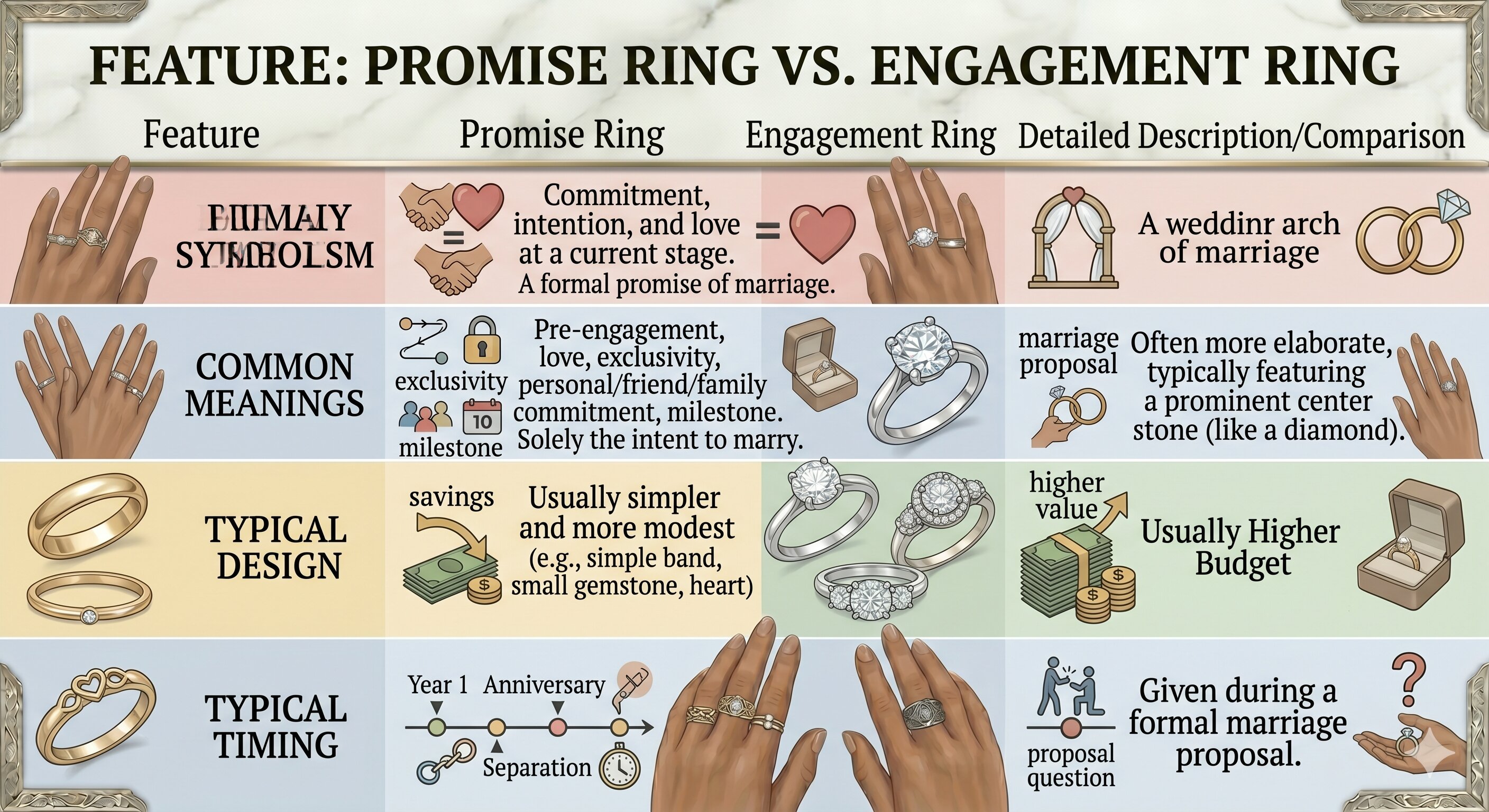
To understand its significance, it helps to see how it compares to an engagement ring.
The Meaning Depends on Your Promise
A promise ring's significance is defined by the specific commitment it represents. Common promises include:
Pre-Engagement: A clear intention for a shared future and eventual marriage.
Committed Relationship: A symbol of loyalty, exclusivity, and deep devotion, separate from immediate marriage plans.
Marking a Milestone: Celebrating a relationship anniversary or navigating a period like long distance.
Non-Romantic Promises: Can symbolize a vow of friendship, a family bond, or a personal commitment to oneself.
Practical Considerations for a Promise Ring
If you are considering a promise ring, focusing on clear communication and personal meaning is key.
Clarify the Meaning First: The most crucial step is to have an open conversation with your partner about what the ring represents for both of you to ensure shared understanding and expectations.
Choose a Meaningful Moment: You can give it on a special date (like an anniversary), before a temporary separation, or simply when the moment feels right.
Select a Personal Design: Choose a style that reflects your partner's taste, from simple bands to designs with heart or infinity symbols. You can personalize it with an engraving or a birthstone.
Decide Where to Wear It: There are no strict rules. Common choices are the ring finger of the left hand (following engagement ring tradition) or the right hand (to avoid confusion with an engagement ring). The middle finger or wearing it as a necklace are also options.
Ultimately, a promise ring is "a big deal" if it represents a significant, heartfelt commitment for you and your partner.
If you'd like to explore specific styles or get tips on how to start that important conversation, I can help with that, too.
How Long Should You Wear A Promise Ring?
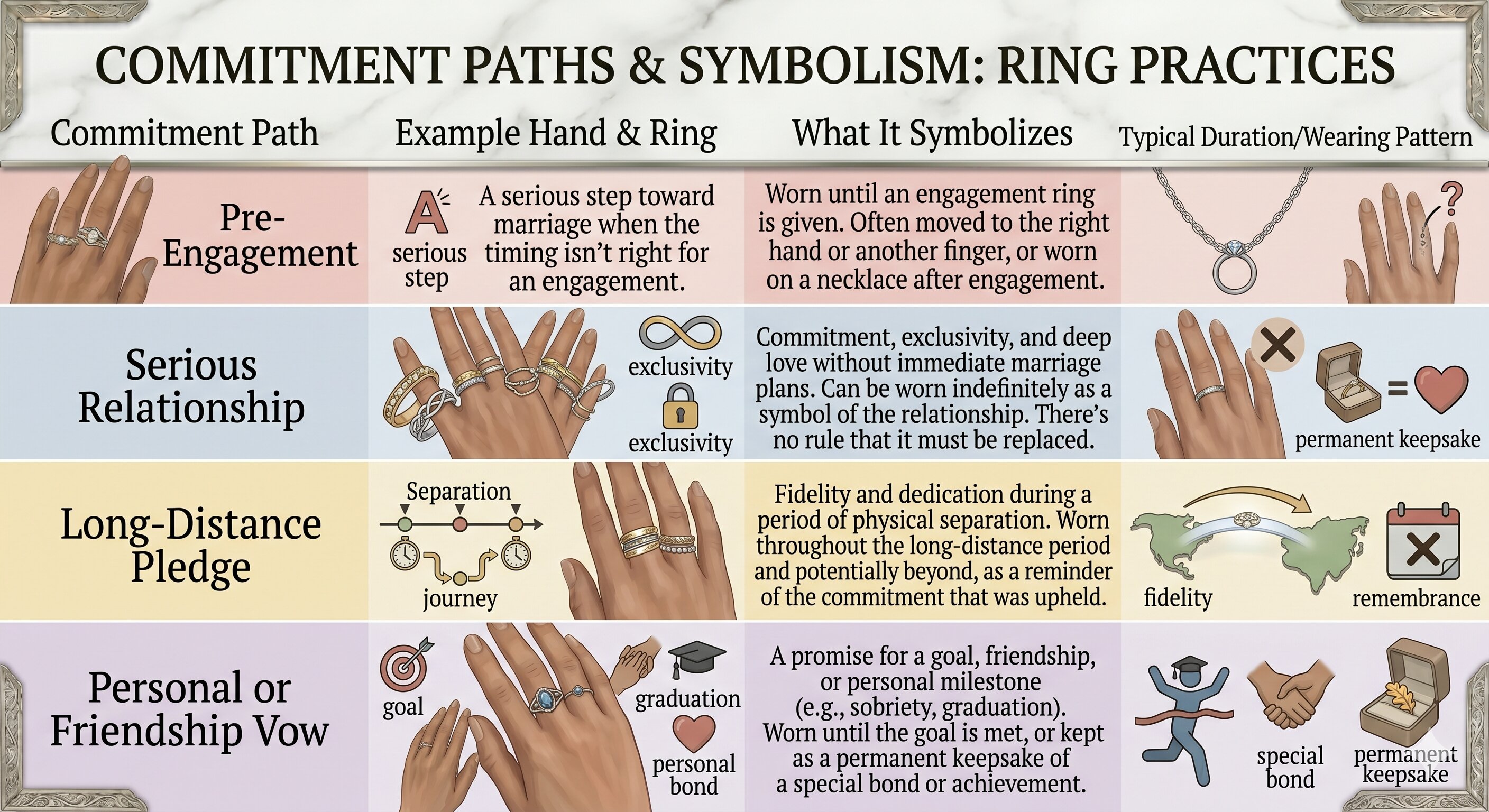
There is no set timeframe for how long to wear a promise ring; it depends entirely on the promise it represents and the progress of your relationship. Many people wear it until they get engaged or married, at which point they may move it to another finger or wear it as a necklace. For others, the ring may symbolize a lifelong commitment or a personal goal that dictates its own timeline.
Typical Commitment Paths and Duration
The most common scenarios for wearing a promise ring are outlined in the table below:
How to Decide What's Right for You
Since the decision is personal, here’s how you and your partner can navigate it:
Communicate Clearly from the Start: The most important step is to discuss what the ring means for both of you before it's given. Is it a clear path to engagement, or a standalone symbol of devotion? Aligning on this prevents future confusion.
Revisit the Conversation: As your relationship evolves, it's natural to talk about what the ring means now. Is the original promise fulfilled? Have your goals as a couple changed? These discussions can naturally lead to a decision about the ring.
Follow Your Relationship's Pace: There is no universal "right time" to transition from a promise ring. Focus on what feels right for your unique journey, not on external timelines or comparisons to others.
Practical Next Steps
Once you decide to transition from your promise ring (for instance, upon getting engaged), you have several meaningful options:
Move it to your right hand to continue wearing it daily without confusion with an engagement ring.
Wear it on a different finger or on a chain as a necklace to keep it close.
Safely store it as a cherished keepsake of an important chapter in your relationship.
Ultimately, a promise ring is worn for as long as it holds meaning for you and your partner. The "right" duration is the one that honors your unique promise.
If you'd like to explore how to choose a promise ring or ideas for the presentation, I can help with that as well.
Is A Promise Ring A Serious Commitment?
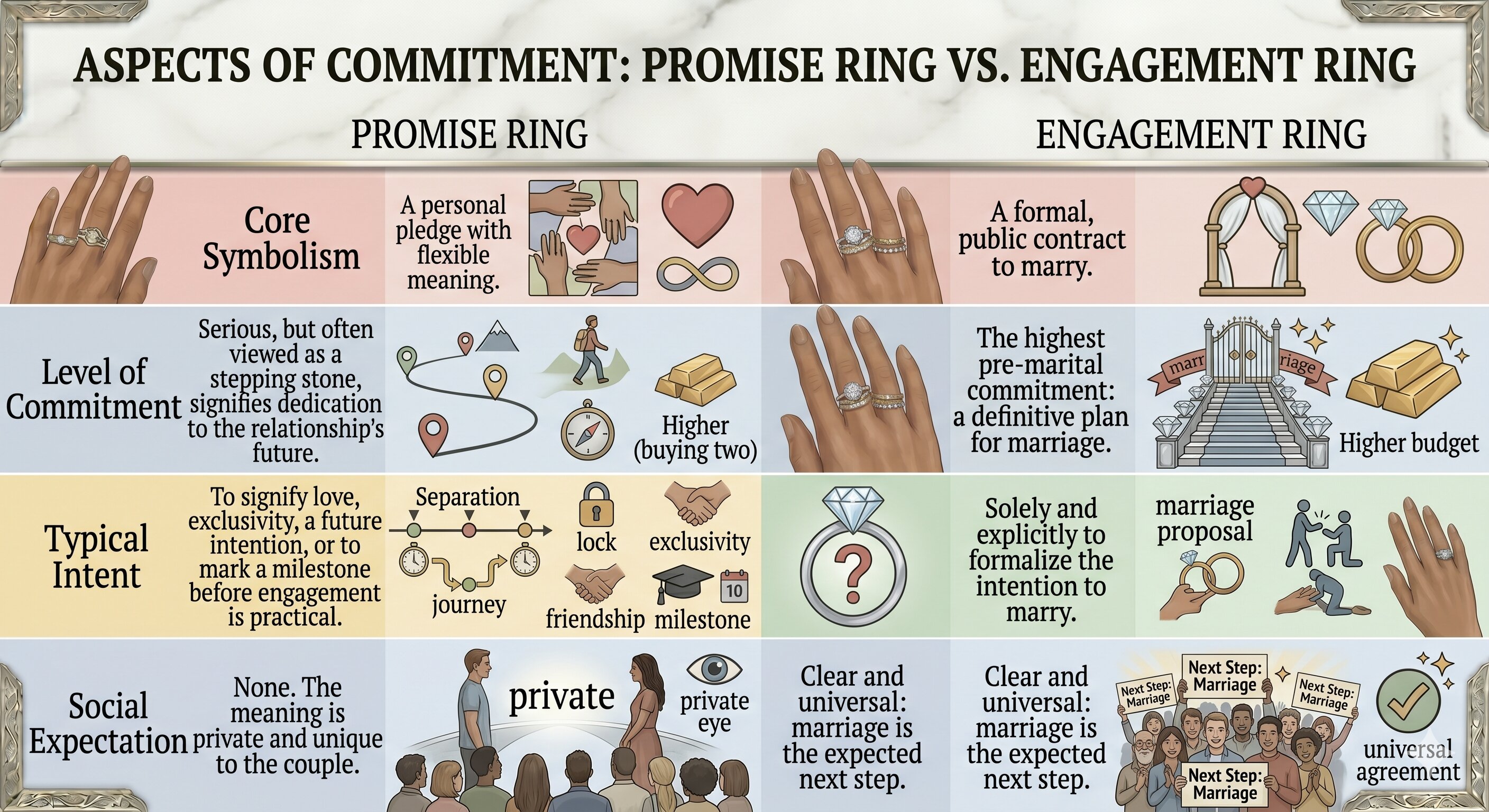
Yes, a promise ring is a serious commitment, but its seriousness is defined by the specific promise between two people rather than by a universal social standard like an engagement ring.
The best way to understand its level of commitment is to compare it directly with an engagement ring.
Promise Ring vs. Engagement Ring: Comparing Commitment
The Seriousness Comes from Your Conversation
The commitment is made serious not by the ring itself, but by the clear, mutual understanding behind it. The most critical step is having an open conversation to define what the ring means for your relationship to ensure you both have the same expectations.
What Can a Promise Ring Seriously Represent?
It can be a serious symbol for various meaningful commitments:
A Stepping Stone to Engagement: A mutual promise that you plan to marry when the time is right (e.g., after finishing school or achieving financial stability).
A Commitment to an Exclusive Relationship: A tangible symbol of loyalty, love, and devotion, separate from immediate marriage plans.
A Pledge During a Challenge: A vow of fidelity during a period of long-distance separation or support during a difficult time.
A Mark of a Personal Milestone: Celebrating a significant relationship anniversary or a shared accomplishment.
Key Takeaway
A promise ring is as serious as the promise it represents. Its weight comes from the honest conversation and mutual agreement between partners. If you're considering one, defining its meaning together is the most important and serious part of the process.
If you're curious about how to start that conversation or what kind of ring to choose, feel free to ask! Read more gemstone rings.
“You now know the colors, the meanings, the ages, the finger placements, the prices, the quantities, the timelines, and the seriousness. The only question left: what will you promise?
Our current collection includes a curated selection of promise rings — from simple silver bands to rings with birthstones, engraved messages, and small diamonds. When certain designs are gone, restocking takes time because each ring is crafted to carry a unique promise.
This is not just jewelry. It is the posy ring, the acrostic ring, the secret language of lovers — a vow that says: not yet forever, but already something real.”
Promise Ring Quick Reference Guide
| Category | Recommendation |
|---|---|
| Best Finger for Romance | Left ring finger (pre-engagement signal) |
| Best Finger to Avoid Confusion | Right ring finger |
| Appropriate Age Range | 18-25 is most common; under 18, proceed with caution |
| Most Common Metal | Sterling silver (affordable, durable) |
| One or Two Rings? | Two for mutual commitment; one for unilateral promise |
| How Long to Wear | Until the promise is fulfilled or a relationship milestone is reached |
[Button: Start Your Promise (Limited) →]


Other news for Monday 08 June, 2026
- Diamond Ring Buying Guide: Shapes, 4Cs, Prices And Tips
- 14K Gold Guide: Purity, Price, vs 18K/24K, Daily Wear and Care
View all news for Monday 08 June, 2026 on one page
News for Sunday 07 June, 2026
- Princess Cut Diamond Guide: Price, Pros and Cons vs Oval
- Peridot Guide: Meaning, Price, How to Tell Real
- Diamond Cut Guide: Grades, Shapes, Value And Buying Tips
View all news for Sunday 07 June, 2026 on one page
Recent News
- Saturday 06 June, 2026
- Friday 05 June, 2026
- Thursday 04 June, 2026
- Wednesday 03 June, 2026
- Tuesday 02 June, 2026