

The Fascinating History of Ruby Rings: Did You Know?
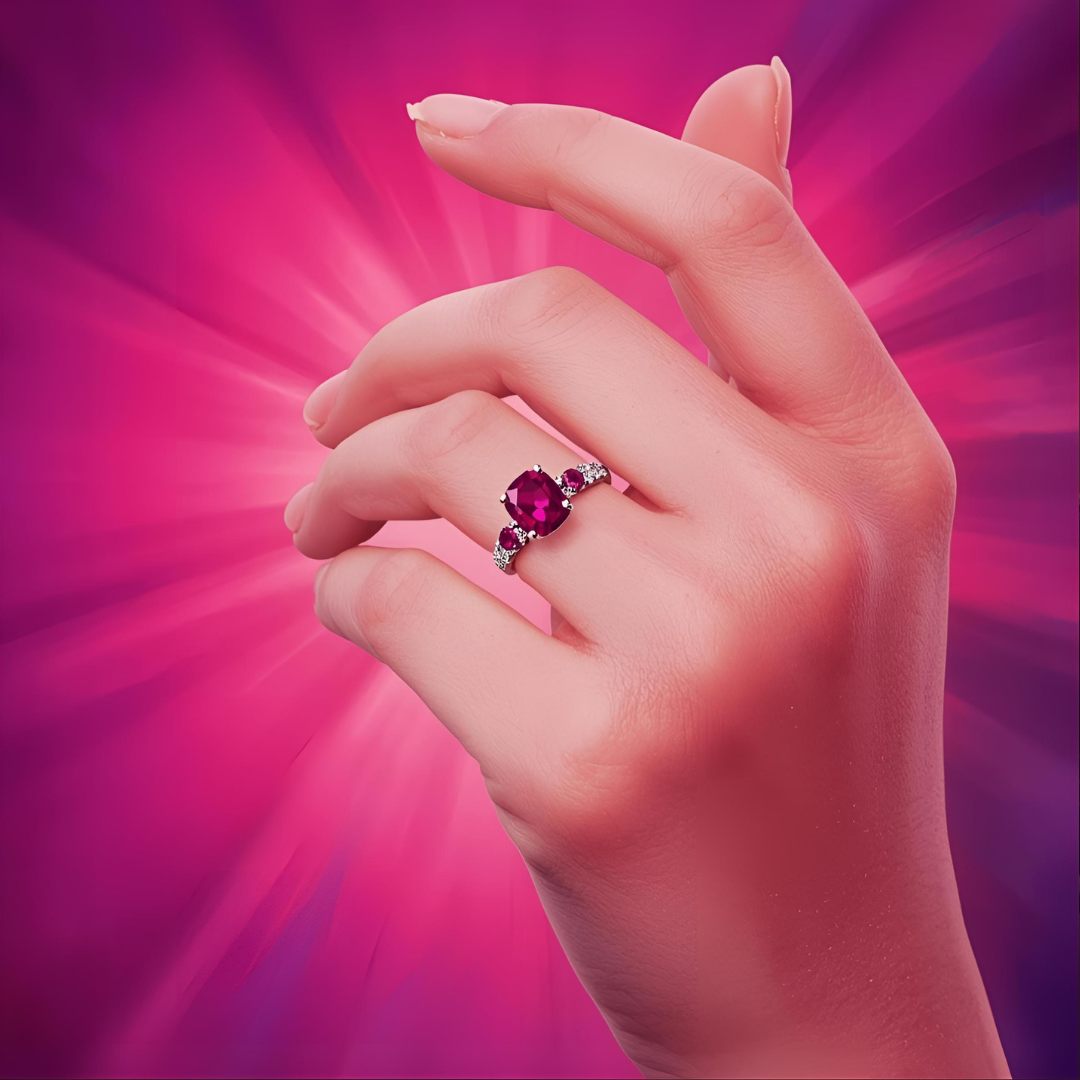
What Does Wearing A Ruby Ring Mean?
The meaning of wearing a ruby ring is rich and multifaceted, spanning centuries of history, culture, and personal symbolism.
“Burmese warriors once embedded rubies into their skin before battle — not as decoration, but as talismans. They believed the stone made them invincible, that its red glow was living fire from the earth. In medieval Europe, kings wore rubies set into their crowns to protect them from poison and plague. The ancient Sanskrit name for ruby is ‘ratnaraj‘ — king of precious stones. For 3,000 years, from the palaces of India to the battlefields of Burma, one gem has meant the same thing: passion that cannot be extinguished, power that does not fade, and love that burns forever.”
The same stone that guarded Burmese warriors now awaits your July birthday — or your forever promise. Every ruby in our collection is chosen for that unmistakable ‘pigeon blood‘ red — or the perfect pinkish hue that speaks to you.
[Button: Explore Ruby Rings →]
Here’s a breakdown of what a ruby ring can signify.
Table of Contents
- Which Finger Should You Wear a Ruby Ring On, Woman?
- How Much Is A 2 Carat Ruby Ring Worth?
- Is The Ruby Birthstone Ring Lucky?
- How Do I Choose A Ruby Ring?
- Which Metal Is Best For A Ruby Ring?
- How To Activate A Ruby Ring?
- What Are The Spiritual Benefits Of Wearing A Ruby Ring?
- Can I Wear A Ruby Ring Every Day?
- Are Ruby Rings Worth Money?
At its core, a ruby ring most commonly symbolizes passionate love, vitality, power, and protection. It's often called the "King of Gemstones" for a reason.
Detailed Meanings
1. Love and Passion
This is the most prominent meaning, especially in the West.
In ancient Rome, Pliny the Elder wrote that rubies could ‘quell poison and calm the mind.‘ But the most famous ruby in Western history belongs to the British Imperial State Crown — the Black Prince’s Ruby, a 170-carat stone that survived the Hundred Years‘ War, the English Civil War, and even a failed assassination attempt. Henry V wore it into battle at Agincourt. Oliver Cromwell tried to sell it. Today, it still sits on the crown, untouched. When you wear a ruby ring, you are not wearing a gem. You are wearing 1,000 years of survival — fire that refused to go out.”
Deep, Passionate Love: Unlike the pure love associated with diamonds, rubies represent a fiery, ardent, and romantic love. Their intense red color is linked to the heart and strong emotions.
Commitment and Marriage: Rubies are a popular choice for engagement rings or anniversary bands (particularly the 15th and 40th anniversaries). They signify a deep, lasting passion within a committed relationship.
Historical Connection: In ancient languages like Sanskrit, ruby was referred to as ratnaraj, meaning "king of precious stones," and was believed to possess the power to ignite passion.
2. Vitality, Energy, and Courage
Life Force: The color red is universally associated with blood, the very essence of life. Wearing a ruby is believed to boost energy, combat fatigue, and promote a vibrant, active lifestyle.
Courage and Confidence: Historically, warriors in Burma (now Myanmar) embedded rubies in their skin to make themselves invincible in battle. Today, wearing a ruby can be a personal talisman for courage, helping the wearer face challenges with confidence.
3. Power, Wealth, and Prosperity
The Stone of Nobility: For centuries, rubies were the prized possessions of kings, queens, and emperors across Europe and Asia. They symbolized royal authority, wealth, and status.
Manifesting Abundance: In some metaphysical beliefs, rubies are considered stones of abundance, helping to attract prosperity and success.
4. Protection
A Talisman Against Harm: One of the oldest beliefs is that rubies protect the wearer from physical and spiritual danger. It was thought that the stone's color would darken to warn of impending threat or illness.
Shielding Negative Energy: Many believe rubies create a protective shield around the wearer, deflecting negative energy and promoting a sense of security.
Meanings by Context
As an Engagement/Anniversary Ring: Symbolizes a passionate, enduring love that is both powerful and protective. It's a bold and unique alternative to a diamond.
As a Gift: Gifting a ruby ring is a powerful statement. It can mean, "My love for you is deep and passionate," or "I wish you courage and prosperity."
As a birthstone ring, for those born in July, a ruby ring is their birthstone, making it a deeply personal piece that symbolizes their identity and brings them luck.
On a Specific Finger:
Ring Finger (Left Hand): Strongly associated with love, romance, and commitment.
Index Finger: Symbolizes authority, power, and ambition.
Middle Finger: Represents balance, responsibility, and a connection to one's core identity.
Learn more about Ruby's rich history on Wikipedia's Ruby page.
A Note on Ruby Quality and Color
The meaning can be subtly influenced by the stone itself. A deep, pure red ("pigeon's blood" red) is considered the most valuable and is often associated with the highest degrees of passion and power. Lighter or pinker rubies might be associated with a more gentle, compassionate love.
For official ruby grading standards, visit the GIA Ruby Guide.
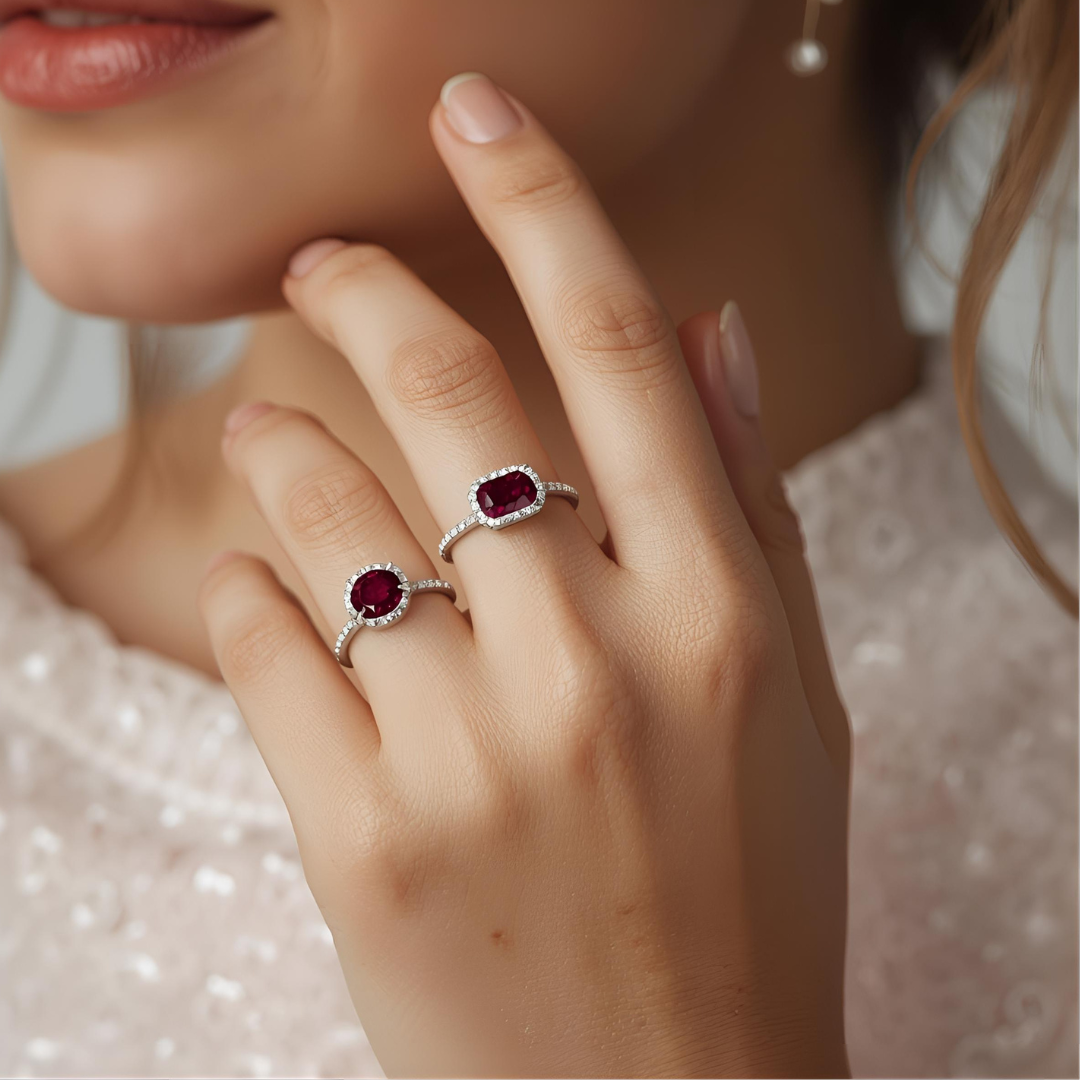
Which Finger Should You Wear a Ruby Ring On, Woman?
For a woman, the finger she chooses to wear a ruby ring on can amplify its intrinsic meanings of passion, power, and protection. There's no single "correct" finger, but rather, the choice depends on her personal intention.
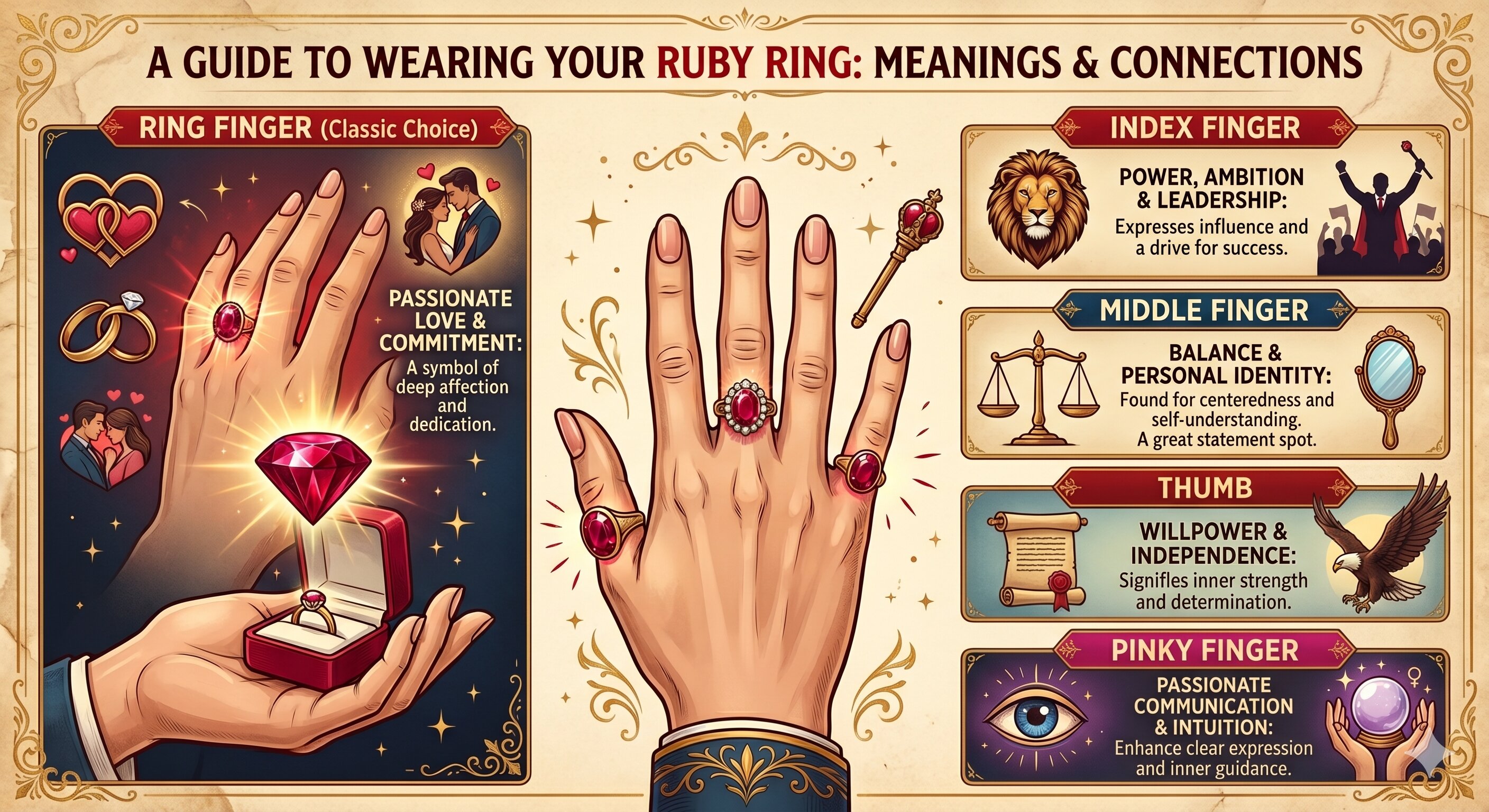
Here’s a detailed guide to help decide, moving from the most common to the more symbolic choices.
The Most Common & Traditional Choice
The Ring Finger (Left Hand)
Meaning: Love, Commitment, Romance.
Why: This is the finger most associated with romantic relationships, thanks to the ancient belief that a vein runs directly from this finger to the heart (vena amoris). Wearing a ruby here powerfully emphasizes its connection to passionate, deep, and committed love.
Ideal For:
An engagement or anniversary ring is a unique and meaningful alternative to a diamond.
A self-love ring, signifying a commitment to nurturing one's own heart and passions.
Fingers for Power & Ambition
The Index Finger
Meaning: Authority, Power, Ambition, Leadership.
Why: The index finger is used for pointing and commanding attention. Historically, it has been associated with kings, queens, and people in authority wearing signet rings. Wearing a ruby—the "King of Gemstones"—on this finger doubles down on its symbolism of power and vitality.
Ideal For: A woman in a leadership role, starting a new business, or anyone who wants to project confidence and ambition.
The Thumb
Meaning: Willpower, Independence, Self-assertion.
Why: The thumb symbolizes your ability to control your life's direction. It's a less common choice, making it a statement of individuality. A ruby on the thumb combines the stone's energy with a message of strong will and determination.
Ideal For: A strong, independent woman who marches to the beat of her own drum.
Fingers for Balance & Expression
The Middle Finger
Meaning: Balance, Responsibility, Identity.
Why: As the central and largest finger, it represents balance and your core identity. A ring on this finger gets a lot of visibility without the strong romantic connotations of the ring finger. It's a great "neutral" spot that allows the ruby's beauty and energy to be the focus.
Ideal For: A statement ring that is primarily for personal enjoyment and empowerment, helping to bring balance and vitality to your life.
The Pinky Finger
Meaning: Communication, Intelligence, Intuition, Networking.
Why: The pinky finger is linked to Mercury, governing communication and persuasion. Wearing a ruby here can amplify your ability to communicate with passion and conviction.
Ideal For: A woman in sales, marketing, writing, or any field that requires persuasive communication. It can also symbolize a passionate intellectual pursuit.
Practical & Cultural Considerations
Comfort and Fit: A larger, statement ruby ring might be more comfortable on the middle or ring finger, while a more delicate ring could suit the pinky.
Dominant vs. Non-Dominant Hand:
Some believe wearing a ring on your dominant hand (the hand you write with) projects its energy outward into the world (e.g., for career power). Wearing it on your non-dominant hand is more about nurturing that energy within yourself (e.g., for self-love).
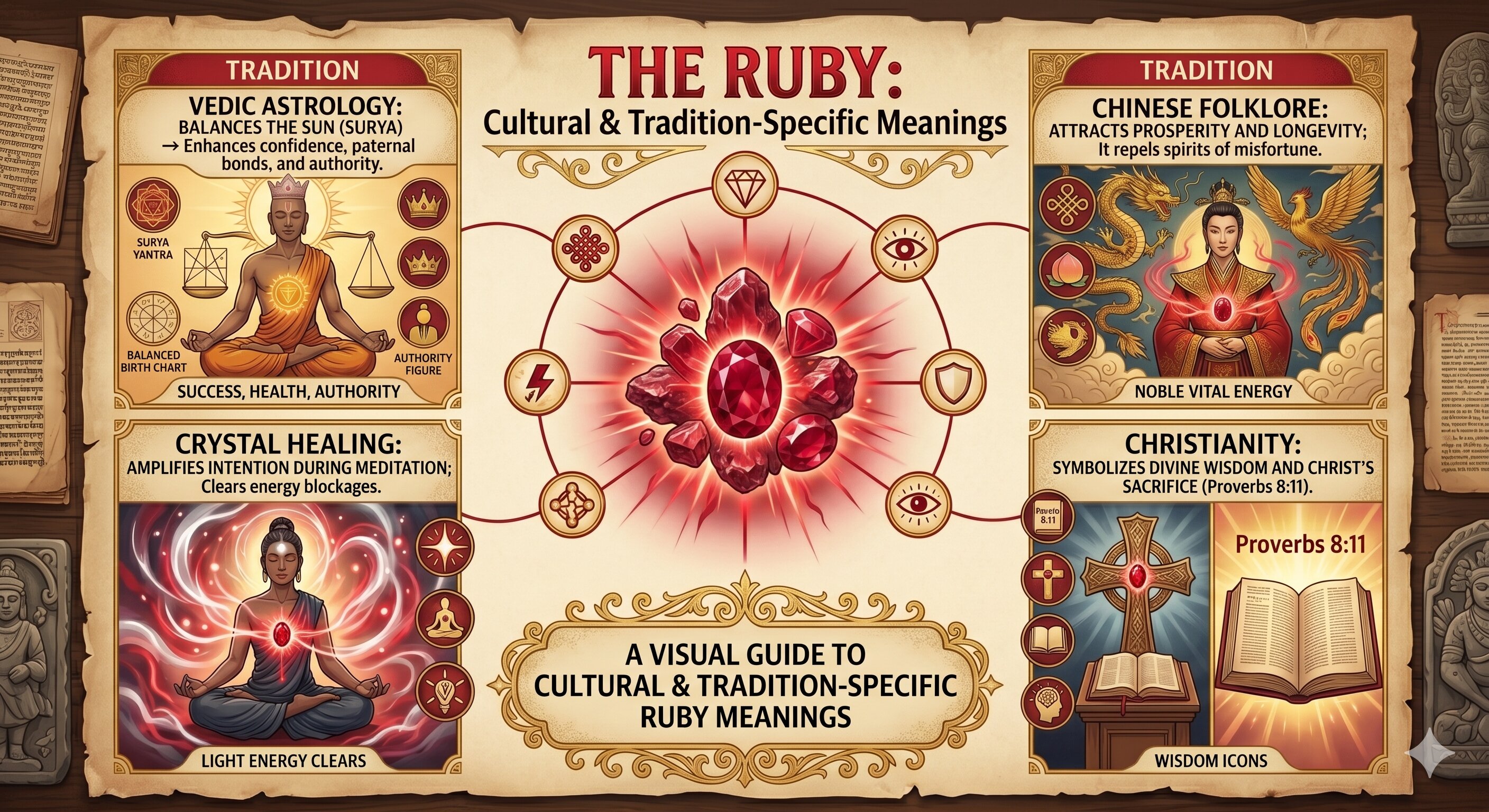
Cultural Beliefs: In Vedic astrology (Indian astrology), the recommendation is often very specific. For a ruby (Manik), which is linked to the Sun, it is traditionally worn on the ring finger of the right hand to strengthen the Sun in one's chart, promoting authority, health, and confidence.
Quick Guide Summary
Final Advice: The most important rule is to follow your intuition.
If you want to attract or celebrate love, choose the ring finger.
If you want to boost your career and confidence, choose the index finger.
If you love the ring and want to wear it for its beauty and energy, the middle finger is a perfect, balanced choice.
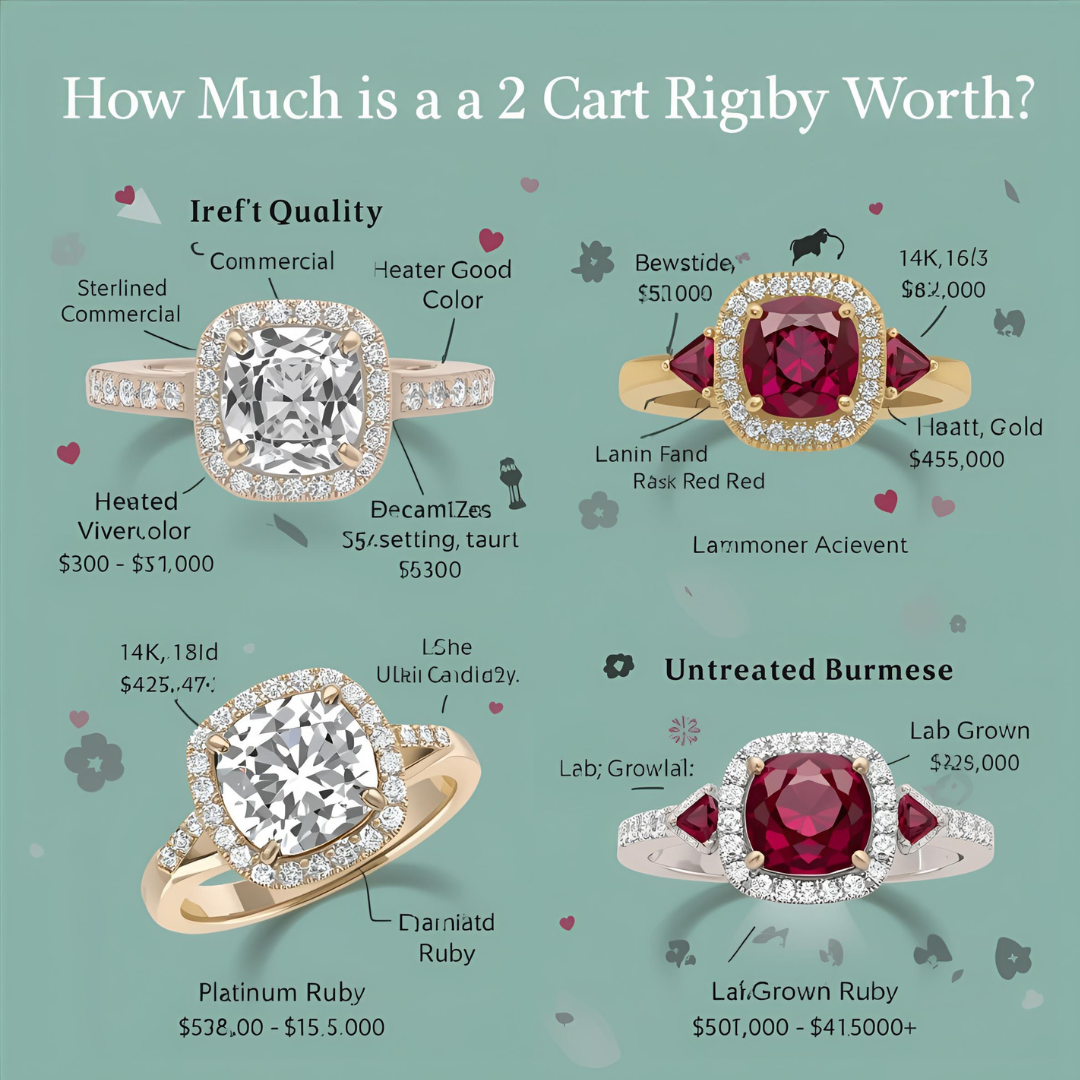
How Much Is A 2 Carat Ruby Ring Worth?
The value of a 2-carat ruby ring varies enormously based on ruby quality, setting, diamonds, and brand. Here’s a detailed breakdown:
Price Ranges for a 2-Carat Ruby Ring (USD)
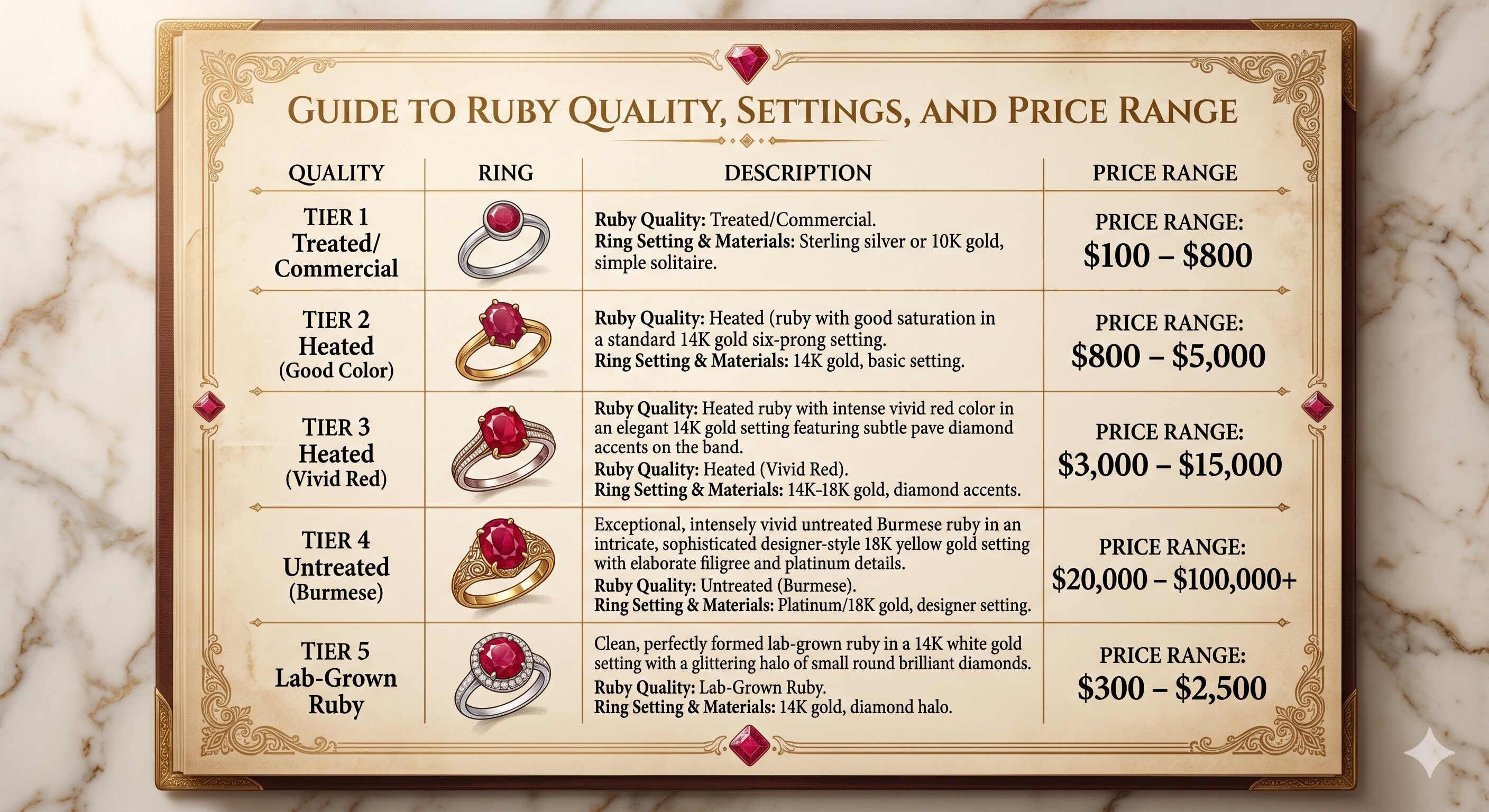
Key Factors Driving the Price
Ruby Quality (70% of Value):
Color: "Pigeon blood" red (Burmese) vs. pale/pinkish (low-value).
Origin: Burmese (+300% premium) > Mozambican > Thai.
Treatments: Untreated (+500% vs. heated), fracture-filled (-90% value).
Clarity: Eye-clean stones cost 2–5x more than included ones.
Setting & Materials (20–30% of Value):
Metal: Platinum (+20% vs. gold), 18K gold (+15% vs. 14K).
Design: Custom/vintage designs add 30–100%.
Diamonds: Diamond halos/pavés can double the price (e.g., 0.5ct accent diamonds = +$1,000–$10,000).
Brand & Craftsmanship (10–50% Premium):
Luxury (Cartier, Van Cleef): 2–3x markup.
Artisan/Designer: +30–70%.
Real-World Examples
$500: Treated 2ct ruby (pinkish) in sterling silver, no diamonds.
$5,000: Heated 2ct vivid red Mozambican ruby in 14K gold with diamond accents.
$50,000: Untreated 2ct Burmese "pigeon blood" ruby in platinum, Tiffany-style setting.
$250,000+: Signed vintage piece (e.g., Cartier) with untreated Burmese ruby + major diamonds.
Critical Red Flags
"Too cheap" deals: Likely glass composites or synthetic ruby mislabeled as natural.
No gem report: Always demand certification (GIA/AGL/Gubelin) for natural rubies.
Fracture-filled rubies: Prone to shattering – avoid for rings!
Smart Buying Tips
Prioritize the ruby: Budget 60–70% for the stone itself.
Certification is non-negotiable for natural rubies >$1,000.
For value: Choose lab-grown + gold setting ($1,500 gets a stunning ring).
Resale potential: Only untreated Burmese rubies in designer settings hold value well.
Flawed or Cracked Rubies
Believed to attract misfortune (Persian/Indian traditions).
Stolen or Unethically Sourced Rubies
Associated with "curses" in Thai and Burmese folklore.
Maximizing "Luck" with Your Ruby Ring
Wear on the Ring Finger
Left hand (Western): Attracts love/commitment.
Right hand (Vedic): Enhances solar power (confidence/success).
Set in Gold
Gold amplifies the Sun’s energy (ruby’s astrological metal).
Wear on Sundays
Day of the Sun in Vedic/Western astrology.
Choose Natural, Untreated Stones
Fracture-filled rubies are seen as energetically "dead" in mystical traditions.
Science vs. Superstition
No scientific evidence proves that rubies influence luck.
Psychological boost: Wearing a bold red ruby may subconsciously enhance confidence → leading to "lucky" opportunities.
Ethical luck: Lab-grown rubies offer guilt-free beauty (no mining harm).
For current ruby market prices, visit the American Gem Society's price guide.
Is The Ruby Birthstone Ring Lucky?
Throughout history and across cultures, ruby rings have been considered powerfully "lucky" — but the type of luck varies by tradition. Here’s the symbolic breakdown:
Traditional "Lucky" Associations of Ruby Rings
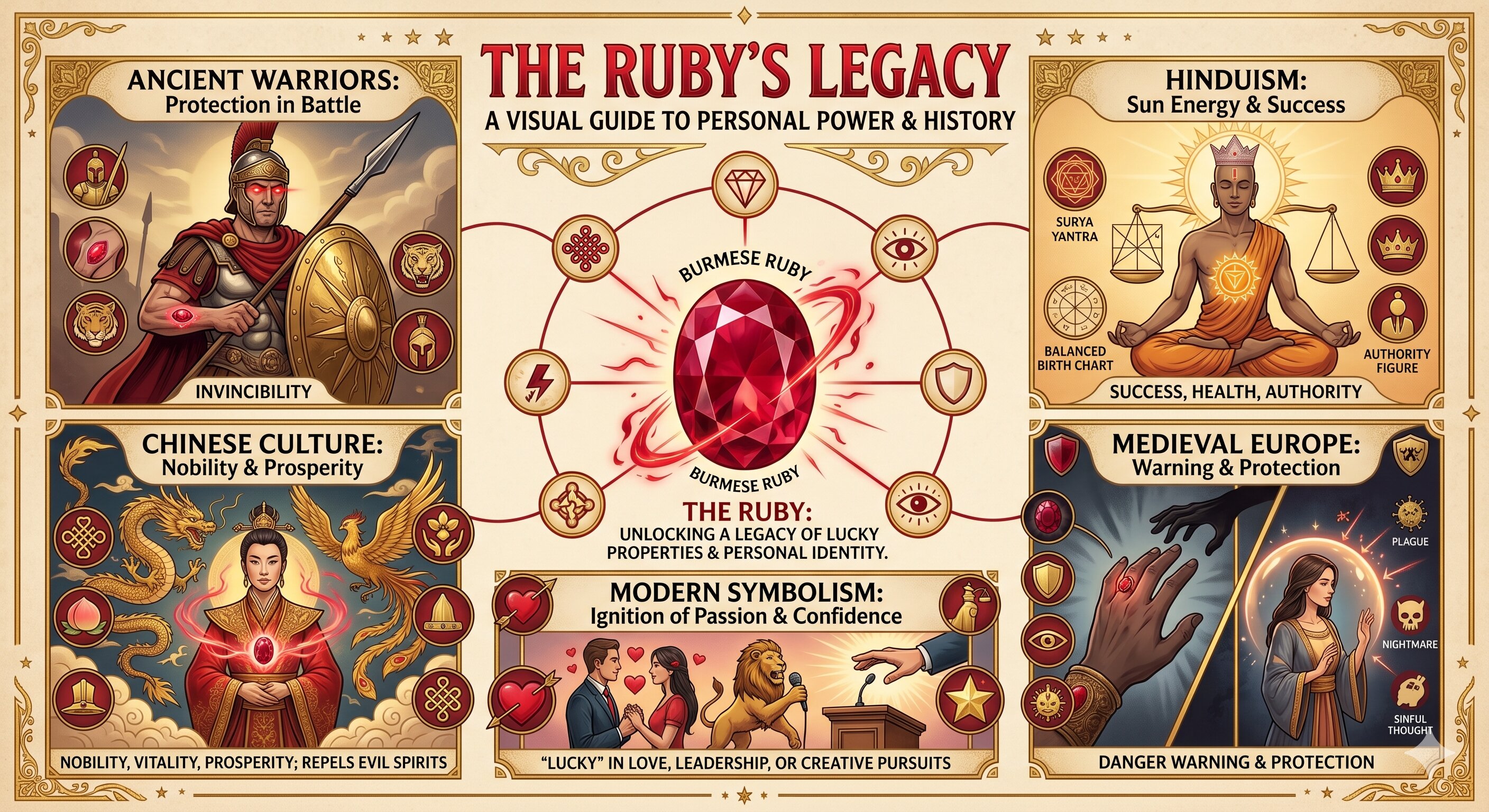
When Ruby Rings Are Considered Unlucky:
If Worn by Incompatible Zodiac Signs
Vedic astrology warns that Taurus, Libra, or Capricorn may experience anger, impulsivity, or bad luck if a ruby clashes with their chart.
How Do I Choose A Ruby Ring?
Choosing a ruby ring involves balancing quality, budget, symbolism, and personal style. Here’s a step-by-step guide to make an informed decision:
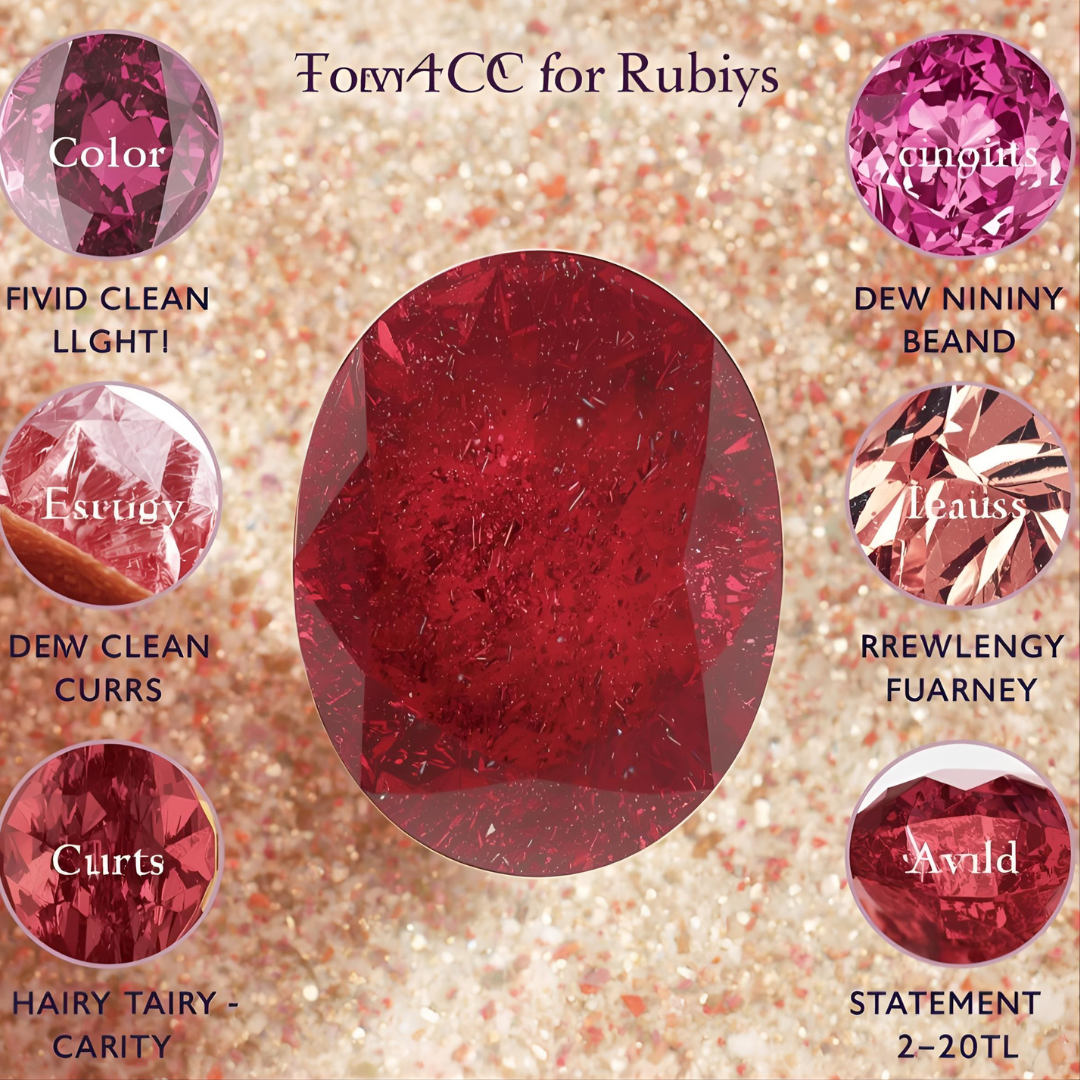
1. Prioritize Ruby Quality (The 4 Cs for Rubies)
Color:
Ideal: Vivid "pigeon blood" red (slightly purplish-red, no brown/orange).
Avoid: Pale, pinkish, or brownish tones.
Tip: View stones in natural light – rubies look darkest in dim settings.
Clarity:
Eye-clean (no visible inclusions) is best. Silk (fine needles) is acceptable if subtle.
Avoid: Cracks, clouds, or black spots.
Cut:
Oval, cushion, or round maximizes color brilliance.
Avoid: Shallow cuts that cause "windowing" (transparent areas).
Carat:
Daily wear: 0.8–1.5 ct (comfortable and durable).
Statement: 2–3+ ct (requires protective setting).
2 . Understand Treatments & Origin
Treatments:
Heated: Acceptable (90% of market), stable, and affordable.
Avoid: Glass-filled/fracture-filled (prone to damage).
Origin:
Burma (Myanmar): Most valuable (if untreated), but ethical concerns.
Mozambique: Best ethical choice for vivid red.
Lab-Grown: Identical look, eco-friendly, budget-friendly.
Demand a gem report (GIA, AGL, or Gübelin) for natural rubies >$1,000.
3. Choose the Right Setting
| Setting Type | Best For | Pros |
| Bezel | Maximum protection | Secura es ruby, modern look. |
| Halo | Enhanced brilliance | Diamonds make rubies appear larger. |
| Prong (6-claw) | Classic elegance | Let light enter the stone. |
| Vintage | Unique character | Floral/scroll motifs (ca. 1900s). |
Metal:
Gold (14K/18K) or platinum for durability.
Astrological tip: Gold boosts ruby’s solar energy.
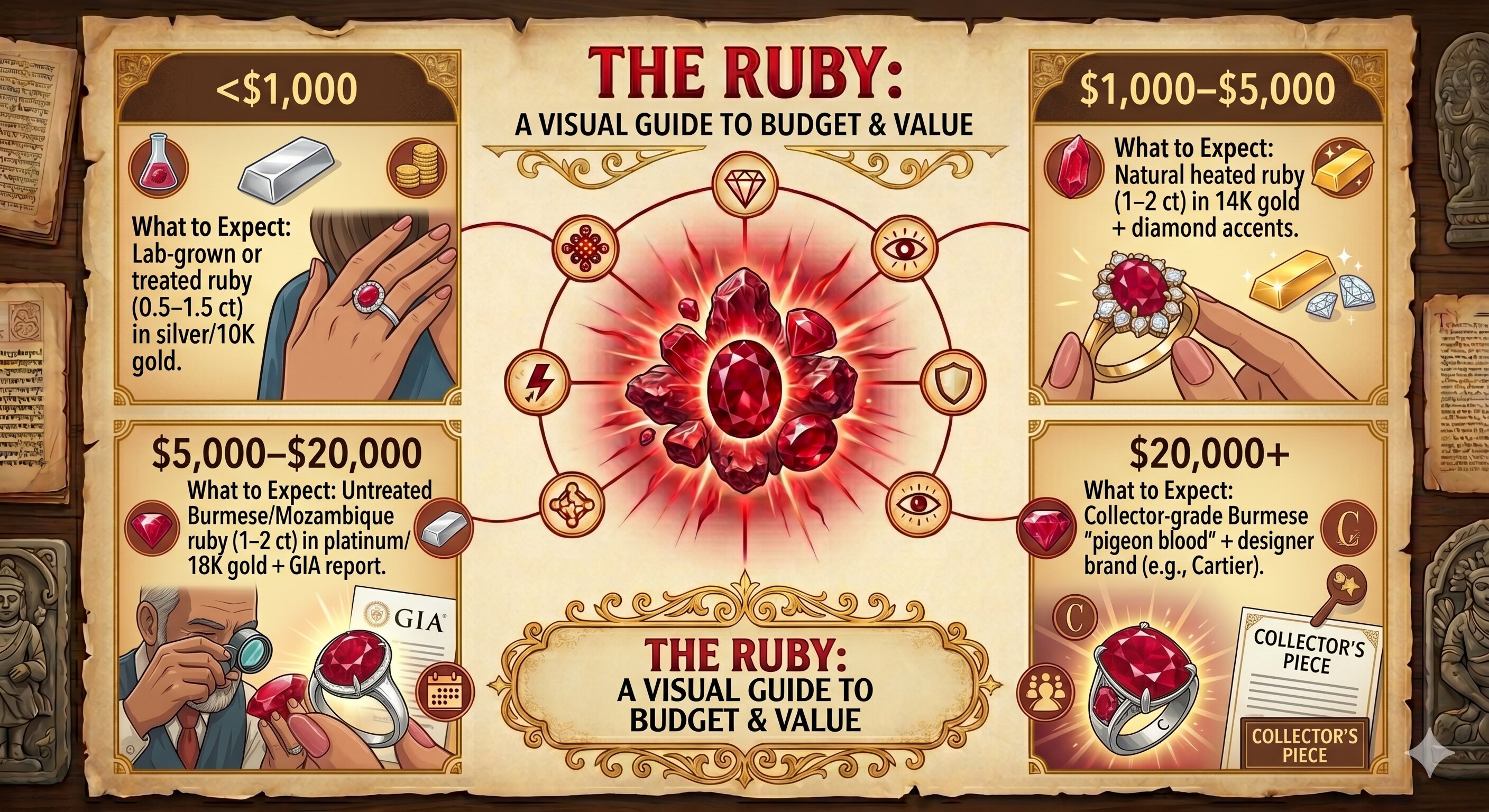
4. Set Budget
5. Consider Symbolic Needs
Astrology: Leos/Aries should wear natural rubies; consult a Vedic astrologer for carat weight.
Anniversaries: 15th/40th year = ruby tradition.
Ethics: Avoid Burmese rubies; choose lab-grown or Mozambique stones.
6. Smart Buying Checklist
Gem report (confirm natural/lab-grown, treatments, origin).
View in multiple lights (rubies shift color).
Check for inclusions under magnification.
Verify return policy (at least 30 days).
Ensure the ring is immediately.
Final Tip
Trust your eyes, not the label: A vibrant, eye-clean ruby in a secure setting will outshine a poorly cut "pigeon blood" sold at a premium. When in doubt, choose lab-grown for ethical luxury without compromise.
Example Choices:
For $2,500: 1.5ct heated Mozambican ruby in 14K gold halo setting.
For $500: 2ct lab-grown ruby in 10K gold solitaire.
For $15,000: 1.5ct untreated Mozambique ruby in platinum with GIA report.
Ruby rings symbolize passion and protection—choose one that ignites your heart!
Which Metal Is Best For A Ruby Ring?
Another fantastic question! The choice of metal for a ruby ring significantly impacts its overall style, durability, and even how the ruby's color is perceived. There is no single "best" metal, but there is a best metal for your specific preferences and lifestyle.
Here’s a detailed breakdown of the most popular options to help you decide.
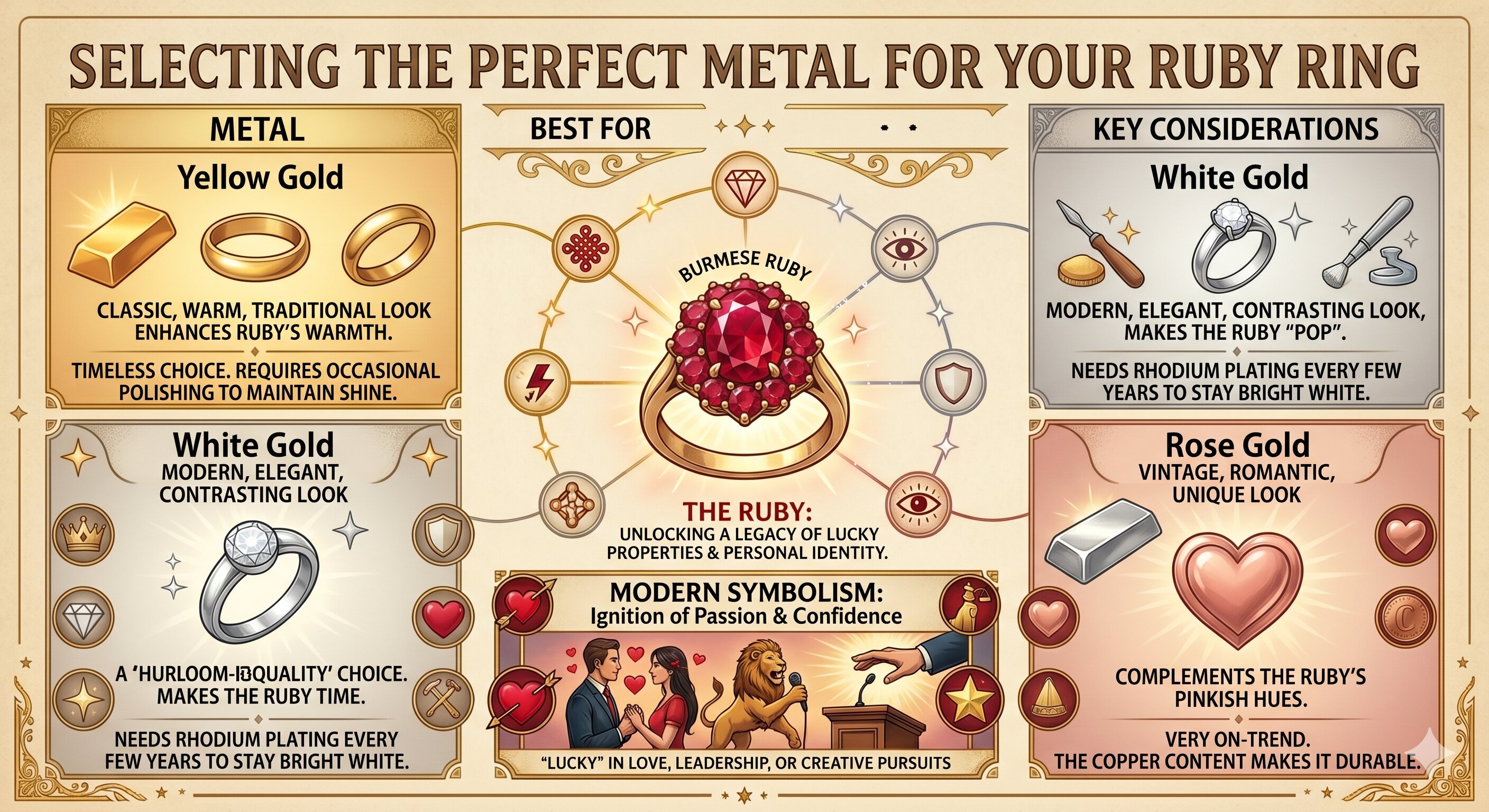
The Top Contenders at a Glance
Detailed Breakdown of Each Metal
1. Yellow Gold
This is the most classic and traditional choice for a ruby ring.
Aesthetics: Yellow gold creates a warm, luxurious, and timeless frame for a ruby. It enhances any warm, pinkish undertones in the stone, making the color feel even richer and more harmonious. This combination has a regal, antique feel.
Durability: 14k or 18k gold is strong and suitable for everyday wear. Higher karat (like 18k) is richer in color but slightly softer than 14k.
Ideal For: Someone who loves vintage, classic, or traditional jewelry styles. It's a perfect match for heirloom-inspired designs.
2. White Gold
A very popular modern choice that creates a stunning contrast.
Aesthetics: The cool, silvery tone of white gold provides a sharp contrast against the fiery red of the ruby, making the gemstone's color appear more vivid and intense. It's a sleek, elegant, and contemporary look.
Durability: Similar to yellow gold, it's very durable for daily wear. However, white gold is plated with a thin layer of rhodium to give it its bright white finish. This plating will wear off over time (usually 1-3 years) and will need to be re-plated to maintain its appearance.
Ideal For: A modern, elegant aesthetic where the goal is to make the ruby the absolute star of the show.
3. Platinum
The premium choice for durability and an understated luxury.
Aesthetics: Platinum has a naturally cool, white-gray sheen that is similar to white gold but more subtle. It doesn't fade or tarnish. Its weight and density give it a substantial, high-quality feel.
Durability: Platinum is the most durable and long-lasting metal for jewelry. It is hypoallergenic and develops a natural patina over decades of wear—a soft sheen that many love. It can be polished to restore its original luster. It's excellent for securing precious stones because of its strength.
Ideal For: An heirloom-quality piece meant for a lifetime of daily wear. It's the ultimate choice for a significant ring, like an engagement or major anniversary ring.
4. Rose Gold
A beautiful and increasingly popular choice for a romantic and unique look.
Aesthetics: The pinkish-copper tone of rose gold creates a soft, romantic, and incredibly stylish setting for a ruby. The colors are adjacent on the color wheel, creating a harmonious and warm blend that feels both vintage and contemporary.
Durability: The copper alloy used in rose gold makes it exceptionally strong and durable, more so than yellow or white gold. It does not require any plating.
Ideal For: Someone with a modern or vintage-inspired style who wants a ring that feels unique, feminine, and romantic.
Special Considerations and Trends
Two-Tone or Mixed Metal Settings: This is a brilliant way to get the best of both worlds. A common design is to have a white gold or platinum head (the part that holds the ruby) to make the stone pop, set on a yellow or rose gold band for warmth. This looks stunning and offers great versatility.
Pavé Settings: Small diamonds set into the band (pavé) are almost always set in white gold or platinum to maximize their sparkle, regardless of the main band metal. A yellow gold band with white gold pavé is a classic combination.
Skin Tone: While you should always choose what you love, some general guidelines:
Cool undertones: often look great with white gold or platinum.
Warm undertones are often complemented by yellow or rose gold.
Neutral undertones: can wear any metal beautifully!
Final Recommendation
For a timeless, classic, and regal look: Yellow Gold.
For a modern, contrasting, and vibrant look: White Gold.
For the ultimate in durability and a luxury heirloom piece: Platinum.
For a romantic, unique, and trendy look: Rose Gold.
The best way to decide is to see the rubies set in different metals. A jeweler can place a ruby against bands of yellow, white, and rose gold so you can see firsthand how the metal changes the perception of the stone's color. Go with the combination that makes your heart beat faster.
How To Activate A Ruby Ring?
To "activate" a ruby ring for women in spiritual or astrological traditions means to cleanse its energy and align it with your intention, enhancing its symbolic power (protection, passion, vitality). While scientifically unproven, these rituals are meaningful for those who believe in gemstone energy.
Below is a step-by-step guide based on Vedic astrology, crystal healing, and folk traditions:
Step 1: Cleanse the Ruby (Remove Old Energy)
Sunlight Bath:
Place the ring in direct sunlight for 2–3 hours (ideally at sunrise).
Why: Ruby is linked to the Sun, which "resets" its energy.
Avoid prolonged exposure (heat may damage fracture-filled stones).
Moonlight Charging:
Leave it overnight under a full moon (especially for emotional balance).
Sound Cleansing:
Ring a singing bowl or bell near the ruby for 1–2 minutes.
Smoke Purification:
Pass the ring through sage, palo santo, or sandalwood smoke 3–5 times.
Step 2: Charge/Activate (Attune to Your Intent)
Solar Activation (Best for Ruby):
When: Sunday at sunrise (Sun’s peak hour).
How: Hold the ring in your palm, face the rising sun, and:
Visualize golden light filling the stone.
Whisper your intention (e.g., "Bring me courage and abundance").
Mantra/Essence Activation (Vedic Method):
Chant the Surya (Sun) mantra: "Om Hram Hreem Hroum Sah Suryaya Namah" 7x.
Anoint with sandalwood paste or rose water (wipe gently after).
Elemental Charging:
Earth: Bury in sea salt or soil for 24 hours (salt may damage settings – wrap in cloth).
Water: Rinse under natural running water (river/spring).
Step 3: Consecrate (Personal Bonding)
Wear for the First Time:
Place the ring on your ring finger (Sun finger in Vedic astrology).
Best on a Sunday during Shukla Paksha (waxing moon phase).
Set an Affirmation:
Hold the ruby to your heart and say:
"I am open to your fiery energy. Guide me with passion and protection."
Astrological Timing (Optional):
Consult a Vedic astrologer for muhurta (auspicious time) based on your birth chart.
Critical Precautions
Do NOT activate if:
The ruby is cracked, glass-filled, or synthetically made (lab-grown is acceptable if natural isn’t affordable).
You’re a Taurus, Libra, or Capricorn (unless an astrologer approves).
Never use harsh chemicals (salt water/heat may erode treatments).
What Are The Spiritual Benefits Of Wearing A Ruby Ring?
Wearing a ruby ring is steeped in centuries of spiritual symbolism across cultures, believed to channel potent energies for transformation, protection, and empowerment.
Here’s a concise guide to its key spiritual benefits:
Core Spiritual Benefits of a Ruby Ring
Ignites Inner Fire & Vitality
Symbolism: Linked to the Sun (in Vedic/Western astrology) → fuels life force (prana), courage, and passion.
Effect: Combats lethargy, boosts motivation, and awakens creativity.
Emotional Resilience & Heart Healing
Chakra: Activates the Root (stability) and Heart (love) chakras.
Effect: Helps release fear, trauma, or heartbreak; encourages self-love and fearless vulnerability.
Protection from Negativity
Ancient Belief: Forms an "energetic shield" against envy, psychic attacks, and ill wishes.
Cultural Roots: Burmese warriors wore rubies for invincibility; medieval Europeans used them to ward off plagues.
Manifestation & Abundance
Solar Energy: Attracts success, leadership opportunities, and wealth (Vedic: strengthens weak Surya in birth charts).
Feng Shui: Worn to activate the South (Fame/Reputation) area of life.
Spiritual Grounding
Earth Connection: Its deep red hue symbolizes Earth’s vitality → counters anxiety and promotes centeredness.
Cultural & Tradition-Specific Meanings
Maximizing Spiritual Effects
Wear Correctly:
Right Hand (Vedic): For solar energy (confidence, career).
Left Hand (Western): For emotional/heart-based intentions.
Ring Finger: Connects to the heart (love) or Sun (power).
Cleanse & Activate:
Sunlight: Charge at sunrise (ruby’s peak energy time).
Sound/Mantras: Use bells or chant "Om Suryaya Namah" (Sun mantra).
Smoke: Pass through sage or sandalwood incense.
Pair with Intentions:
Hold the ring and affirm: "I embody courage, abundance, and unwavering light."
Important Precautions
You’re a Taurus, Libra, or Capricorn (unless approved by an astrologer).
The ruby is cracked or fracture-filled (considered energetically "dead").
Ethics: Conflict-free stones (Mozambique > Burmese) or lab-grown rubies hold purer energy.
Science vs. Spirituality
While no scientific proof exists, rubies:
Psychologically empower wearers (the "placebo effect" of bold color).
Serve as anchors for mindfulness, reinforcing intentions through ritual.
Can I Wear A Ruby Ring Every Day?
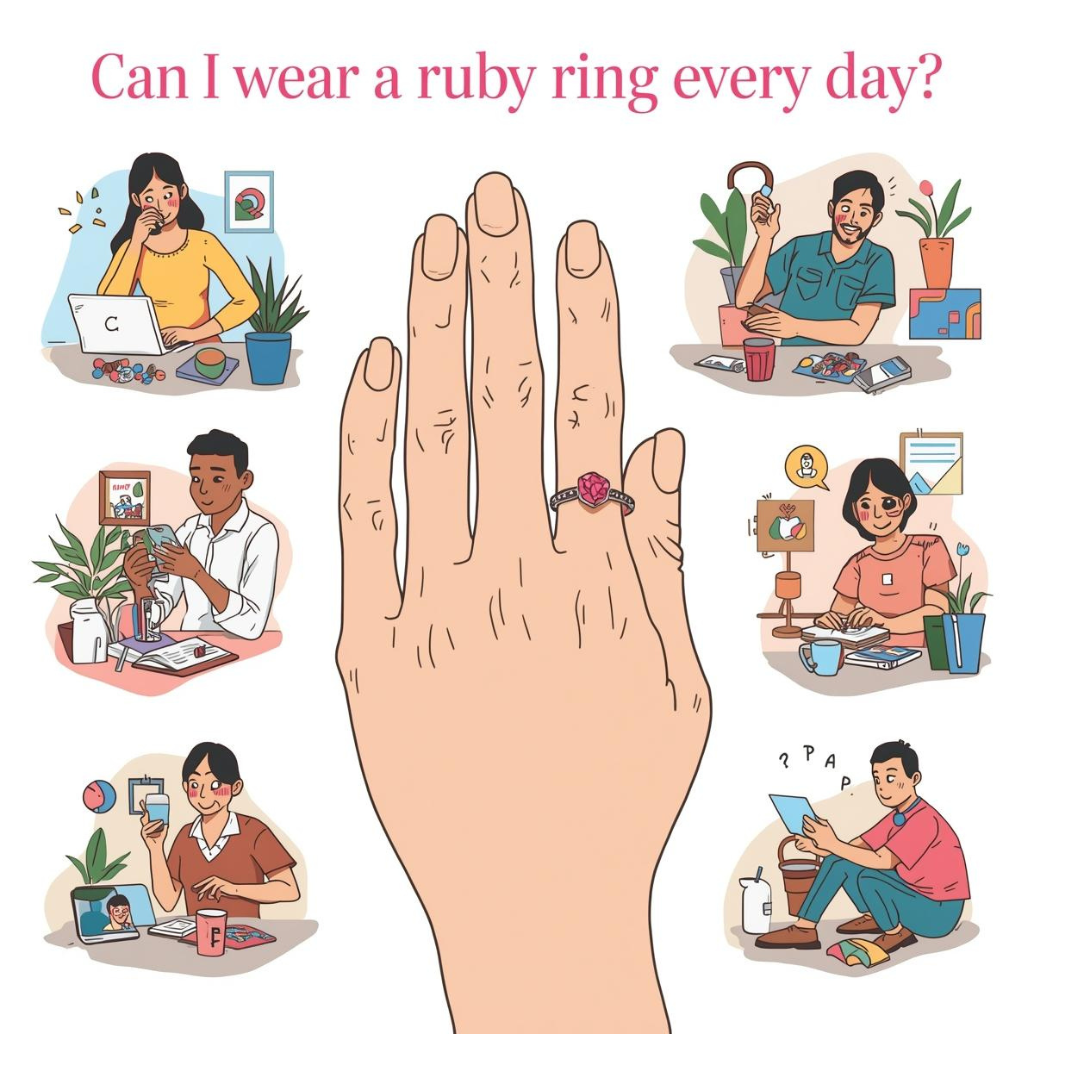
Yes, you can absolutely wear a ruby ring every day. With a hardness of 9 on the Mohs scale, ruby is one of the most durable gemstones for daily wear, second only to diamond. However, proper care is essential to keep it looking its best for a lifetime.
Why Rubies Are Great for Daily Wear
The key factors are its exceptional hardness (9/10) and high toughness, making it resistant to scratches and chipping from everyday knocks. This durability makes it an excellent choice for an engagement ring or a piece you never take off.
Important Considerations & Care Tips
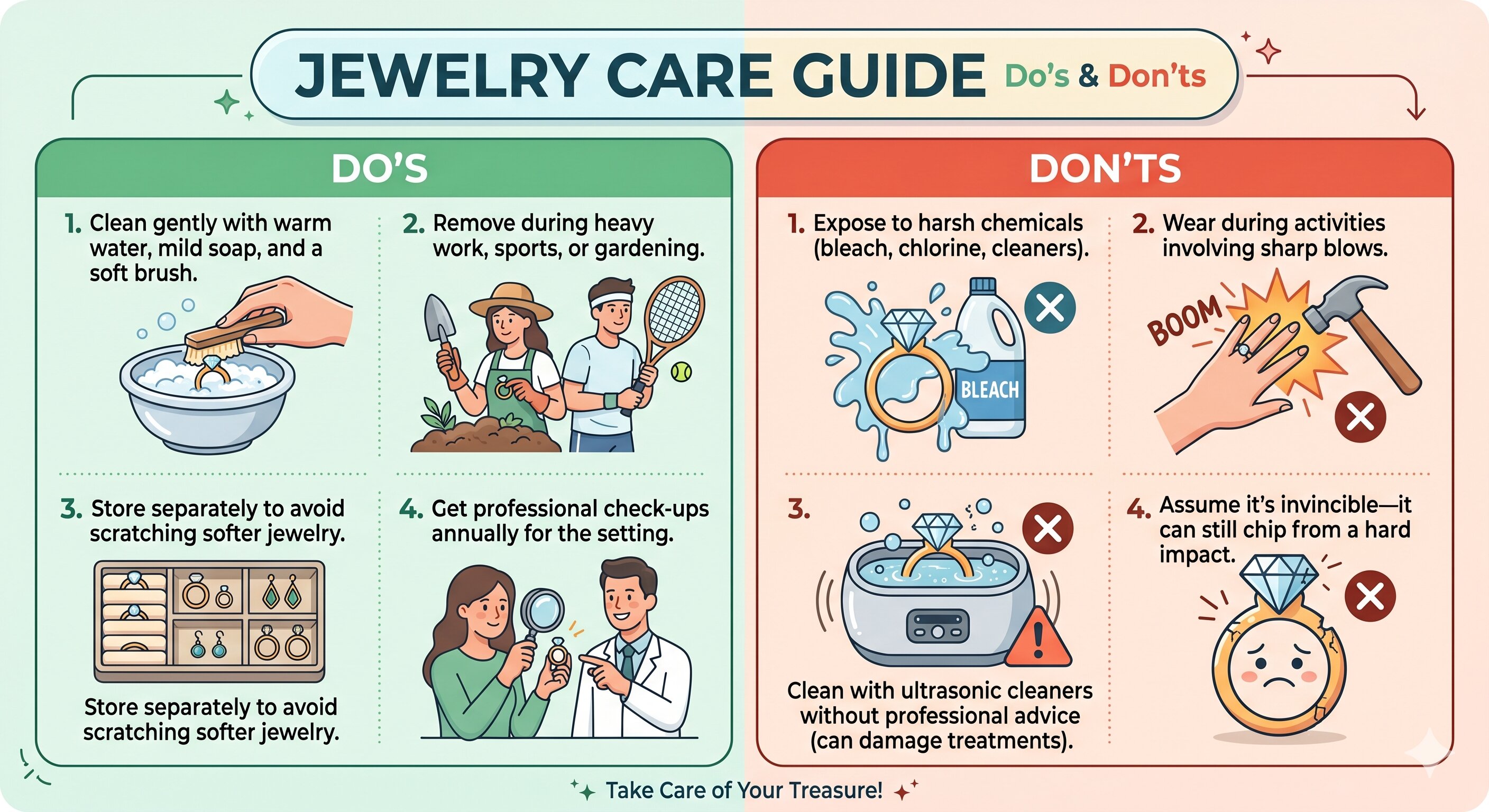
While durable, rubies aren't indestructible. Follow these guidelines to protect your ring:
Pay Attention to Treatments
Most rubies on the market are heat-treated to enhance color and clarity. This is a stable and permanent treatment, but some rubies undergo fracture filling with glass or other substances. These fillings can be damaged by heat, chemicals, or even ultrasonic cleaners, so it's crucial to know if your stone has been treated and how.
The Ring's Setting Matters
For 24/7 wear, the setting is as important as the gem:
Secure Settings: Bezels or low-profile settings protect the stone better than high prongs.
Durable Metal: Platinum or 18k gold is more resilient than softer metals like 14k or 10k gold for holding the stone securely over decades.
In summary, a ruby is a fantastic choice for daily wear due to its hardness. The key to lifelong beauty is understanding its specific care needs, especially regarding any treatments, and ensuring it's in a sturdy, protective setting.
If you know whether your ruby has been treated or can describe its setting, I can offer more specific care advice.
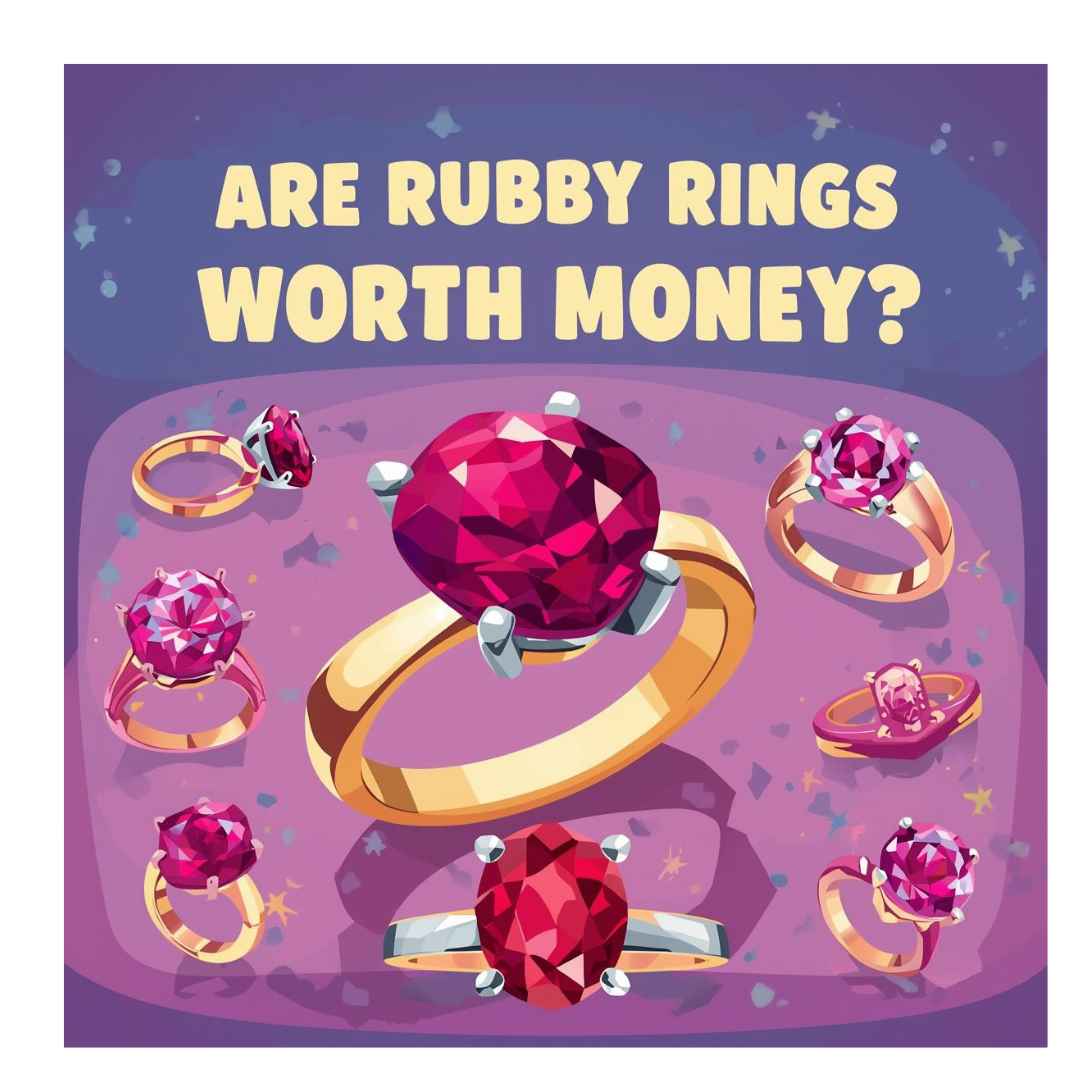
Are Ruby Rings Worth Money?
Yes, high-quality natural ruby rings can be extremely valuable and retain or appreciate, but the answer depends heavily on the specific qualities of the ruby. The value spectrum is immense, ranging from affordable pieces to stones worth millions per carat.
The worth of a ruby is determined by a hierarchy of factors. The following breakdown explains what matters most.
The Hierarchy of Ruby Value
Your ruby's value is driven by these factors, in order of importance:
Color (Most Critical): The most prized color is a pure, vivid, and highly saturated red called "pigeon's blood" red. Stones with purplish, pinkish, brownish, or overly dark tones are less valuable.
Origin (A Major Premium Factor): Provenance significantly impacts price. Rubies from Myanmar (Burma) command the highest prices, especially those from the Mogok region. Mozambique has become a major source of high-quality stones, often offering good value.
Treatments (Impacts Value & Stability): Most rubies are heat-treated to improve color and clarity, which is an accepted practice.
Untreated, natural rubies are the rarest and most valuable, often costing at least twice as much as a comparable heat-treated stone.
Glass-filled or heavily treated rubies have much lower value and durability.
Clarity: Unlike diamonds, rubies are expected to have some inclusions (internal features). "Eye-clean" stones (with no visible inclusions to the naked eye) are rare and valuable, but minor inclusions that don't affect the stone's brilliance or durability are acceptable.
Cut: Cut is important for showcasing the stone's best color, but has less impact on price than the above factors. Poor cuts that create a "window" (see-through area) can diminish value.
Carat Weight (Rarity Driver): Price per carat increases dramatically with size because large, high-quality rubies are exponentially rarer. The price jump is not linear.

Key Takeaways for a Smart Purchase
Get a Reputable Certificate: Always insist on a gemological report from a major lab (like GIA, GRS, or SSEF) for any significant purchase. This verifies authenticity, identifies treatments, and often states the origin.
Buy for Love First, Investment Second: While high-quality rubies have shown strong value appreciation, the gemstone market is less liquid than traditional investments. Choose a stone you adore.
Lab-Grown vs. Natural: Lab-created rubies are chemically identical and much more affordable,e but have minimal resale value. They are a budget-conscious choice for beauty, not an investment.
Read more gemstone rings.
“You now know the meaning, the finger placements, the prices, the selection secrets, the metals, the activation rituals, and the daily care. The only question left: will you wear the king‘s stone?
Our current collection includes a limited number of natural rubies — from fiery Mozambican stones to rare, untreated ‘pigeon blood‘ gems. When stones of this color saturation are gone, sourcing new ones can take months.
This is not just a ring. It is 3,000 years of fire, battle, and passion — the gem that kings wore into war and lovers give as a vow.”
[Button: Claim Your Ruby (Limited) →]


News for Saturday 30 May, 2026
View all news for Saturday 30 May, 2026 on one page
Recent News
- Tuesday 12 May, 2026
- Tuesday 02 December, 2025
- Tuesday 18 November, 2025
- Monday 17 November, 2025
- Saturday 15 November, 2025