

The Ultimate Birthstone List: Gemstone Meanings by Month
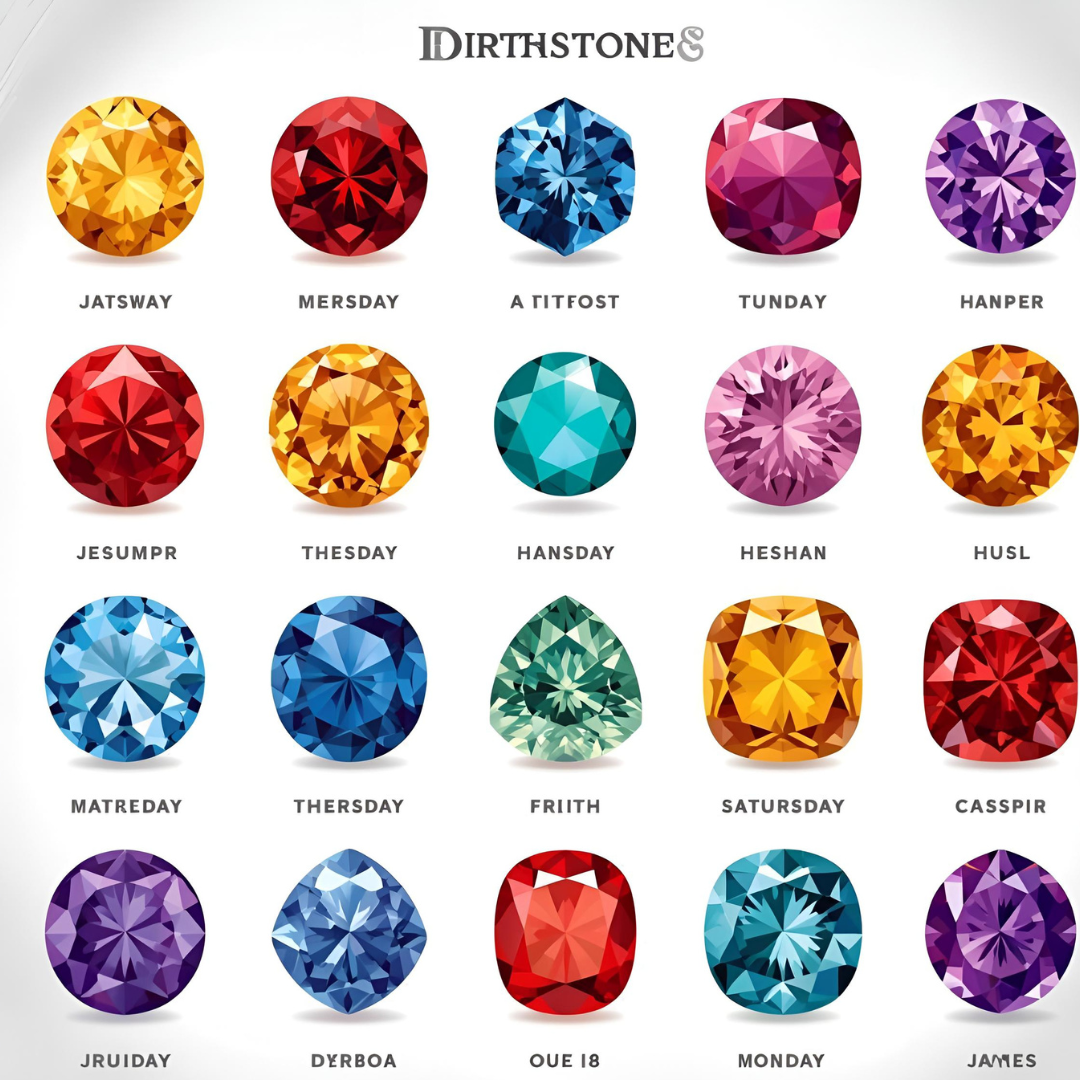
Here is a detailed guide to the birthstones for each month, including their colors, meanings, and symbolism.
The table of contents;
What Are The Birthstones For Each Month And Their Meanings?
What Does A Birthstone Represent?
Do All Months Have Two Birthstones?
Which Birthstone Is The Luckiest?
What Are The Birth Colors Of Each Month?
How Do I Find My Birthstone By Date Of Birth?
The First Topic;
What Are The Birthstones For Each Month And Their Meanings?
The 12 Months of Birthstones & Their Meanings
January: Garnet
Color: Most commonly a deep, rich red, but can be found in orange, green, pink, and even rare blue hues.
Meaning & Symbolism: Garnet is a stone of protection and regeneration. It is believed to guide the wearer through the dark, promote emotional healing, and encourage lasting friendships and commitment.
February: Amethyst
Color: Ranges from light, translucent lilac to a deep, intense purple.
Meaning & Symbolism: A stone of peace, courage, and stability. Historically, it was thought to ward off intoxication and calm the mind. It symbolizes piety, spirituality, and sincerity.
March: Aquamarine & Bloodstone
Color: A serene light blue to sea-green, reminiscent of ocean water.
Meaning & Symbolism: As its name suggests ("sea water" in Latin), it is the sailor's stone, offering courage and protection for travelers. It also symbolizes calmness, clarity, and communication.
Color: Dark green jasper with characteristic red specks of iron oxide.
Meaning & Symbolism: A stone of courage and strength. Its name comes from the belief that it could stop bleeding. It is associated with vitality and resilience.
April: Diamond
Color: Typically colorless, but comes in a spectrum of colors ("fancies").
Meaning & Symbolism: The ultimate symbol of eternal love and commitment. As the hardest natural substance, it represents invincibility, strength, and purity. It is believed to bring clarity and abundance to one's life.
May: Emerald
Color: A distinctive, lush green, ranging from light to deep tones.
Meaning & Symbolism: A stone of rebirth, love, and wisdom. Associated with Venus, it was believed to enhance fertility and foresight. Its lush green color symbolizes spring and new beginnings.
June: Pearl, Alexandrite, & Moonstone
Pearl (Traditional):
Color: White, cream, pink, silver, and gold.
Meaning & Symbolism: Organic gems that symbolize purity, innocence, and humility. They are formed through patience and are believed to attract good luck and protection.
Alexandrite (Modern):
Color: The "emerald by day, ruby by night" stone, changing from green in daylight to red under incandescent light.
Meaning & Symbolism: A stone of balance, joy, and good fortune. Its rarity and color-changing property symbolize the magic of life.
Moonstone (Alternative):
Color: Typically white or colorless with a bluish or pearly sheen (adularescence).
Meaning & Symbolism: Connected to intuition, new beginnings, and fertility. It is a sacred stone in many cultures, believed to bring balance and calm emotions.
July: Ruby
Color: A vibrant, passionate red, from pinkish to blood-red.
Meaning & Symbolism: The "king of gems," representing passion, love, and energy. It is a stone of nobility, believed to protect the wearer from harm and promote vitality and confidence.
August: Peridot, Spinel, & Sardonyx
Peridot (Modern):
Color: A unique yellow-green, often called "evening emerald."
Meaning & Symbolism: A stone of strength and protection, believed to ward off nightmares and evil. It symbolizes the cleansing power of nature and brings prosperity.
Spinel (Alternative):
Color: Available in various colors, but vibrant red is particularly common for August.
Meaning & Symbolism: Represents revitalization and hope. For centuries, it was mistaken for ruby. It is believed to rejuvenate and inspire.
Sardonyx (Traditional):
Color: A banded stone with layers of brownish-red sard and white onyx.
Meaning & Symbolism: A stone of courage and happiness. It was carried by Roman soldiers as a symbol of bravery and is believed to bring stability to marriages and partnerships.
September: Sapphire
Color: Most prized in cornflower blue, but occurs in every color except red (which is ruby).
Meaning & Symbolism: A stone of wisdom, loyalty, and nobility. It was worn by clergy to symbolize heaven and by royalty to attract divine favor. It promotes truth and integrity.
October: Opal & Tourmaline
Opal (Traditional):
Color: Famous for its "play-of-color," flashing every color of the rainbow.
Meaning & Symbolism: A stone of hope, creativity, and innocence. It is believed to amplify the wearer's traits and emotions, and to inspire imagination.
Tourmaline (Modern):
Color: Exists in a vast rainbow of colors; pink and green are iconic for October.
Meaning & Symbolism: A stone of healing and compassion. It is believed to neutralize negative energy and inspire artistic expression.
November: Topaz & Citrine
Topaz (Traditional):
Color: Often a golden yellow or orange, but also blue, pink, and colorless.
Meaning & Symbolism: A stone of friendship, strength, and abundance. It was believed to calm tempers and break spells.
Citrine (Modern):
Color: A warm, sunny yellow to orange-brown.
Meaning & Symbolism: Known as the "merchant's stone," it attracts success, prosperity, and abundance. It carries the power of the sun, promoting joy and positivity.
December: Turquoise, Zircon, & Tanzanite
Turquoise (Traditional):
Color: An opaque blue-to-green stone, often with matrix patterns.
Meaning & Symbolism: A sacred stone of protection, good fortune, and success. It has been prized for millennia by cultures worldwide and is believed to connect heaven and earth.
Zircon (Modern):
Color: Most common in blue, but comes in many colors. Note: Not to be confused with synthetic Cubic Zirconia.
Meaning & Symbolism: A stone of honor, wisdom, and spiritual growth. It is believed to promote restful sleep and ward off evil.
Tanzanite (Modern):
Color: A stunning violet-blue, found only in one place on Earth.
Meaning & Symbolism: A stone of transformation and spiritual insight. Its discovery in 1967 connects it to new beginnings and higher consciousness.
Quick Reference Chart
| Month | Primary Stone | Meaning & Symbolism |
| January | Garnet | Protection, Friendship, Regeneration |
| February | Amethyst | Peace, Courage, Stability |
| March | Aquamarine | Courage, Calm, Communication |
| April | Diamond | Eternal Love, Strength, Purity |
| May | Emerald | Rebirth, Love, Wisdom |
| June | Pearl | Purity, Innocence, Luck |
| July | Ruby | Passion, Energy, Protection |
| August | Peridot | Strength, Protection, Prosperity |
| September | Sapphire | Wisdom, Loyalty, Nobility |
| October | Opal | Hope, Creativity, Imagination |
| November | Citrine | Success, Abundance, Joy |
| December | Turquoise | Good Fortune, Protection, Success |
What Does A Birthstone Represent?
That's an excellent question that gets to the heart of why birthstones are so enduringly popular.
At its core, a birthstone is more than just a pretty gem; it's a personal symbol. The representation of a birthstone operates on several levels, blending history, mythology, and metaphysics.
Here’s a breakdown of what a birthstone represents:
1. Personal Identity and Connection
Your birthstone is intrinsically linked to your birth month, making it a unique and personal emblem. It can represent:
Yourself: It serves as a talisman of self-identity and a celebration of your individual journey.
Your Roots: Wearing your birthstone can feel like a connection to your origin and the time of year you were born.
2. Symbolic Meanings and Virtues
Throughout history, specific virtues, powers, and symbolic meanings have been attributed to each stone. These often derive from their color, perceived properties, or ancient legends. Common symbolic themes include:
Protection: Many stones, like Garnet (January) and Turquoise (December), were historically worn as amulets to ward off evil, nightmares, and injury during travel.
Health and Healing: Stones were believed to have medicinal properties. Emerald (May) was thought to soothe eyesight, while Bloodstone (March) was used to stop bleeding.
Love and Relationships: Ruby (July) represents passionate love, Diamond (April) eternal commitment, and Pearl (June) purity and innocence.
Power, Wealth, and Success: Diamond (April) and Ruby (July) have long been associated with royalty and invincibility, while Citrine (November) is known as the "merchant's stone" for attracting prosperity.
Wisdom and Clarity: Sapphire (September) symbolizes wisdom and truth, while Aquamarine (March) is associated with mental clarity and calm.
3. A Connection to History and Tradition
The tradition of birthstones is believed to have originated from the Breastplate of Aaron, described in the Book of Exodus, which was adorned with twelve gemstones representing the twelve tribes of Israel. This connection gives birthstones a layer of historical and spiritual significance, linking the wearer to an ancient past.
4. A Link to the Natural World and the Cosmos
Many ancient cultures associated gemstones with celestial bodies (planets, stars) and their perceived influences. Wearing a birthstone was a way to harness the positive energy of these cosmic forces. This is why birthstones can represent a connection to the universe and the natural cycles of the year.
5. A Modern Symbol of Affection and Thoughtfulness
Today, giving someone a gift featuring their birthstone is a powerful gesture. It signifies that you:
Know and care about them on a personal level.
Have put thought and effort into choosing a unique and meaningful gift.
Wish them well, embodying the positive qualities and good fortune that the stone represents.
What Does a Birthstone Represent?
A birthstone represents a personalized symbol of identity, imbued with centuries of meaning. It is a touchstone for:
Protection from harm
Health and vitality
Love and relationships
Success and prosperity
Wisdom and clarity
Courage and strength
Good Fortune and luck
Ultimately, the meaning can be deeply personal. While a stone may have a traditional symbolism, its most important representation is the meaning you assign to it. It can be a reminder of a personal goal, a connection to a loved one, or simply a beautiful way to celebrate your own unique story.
Do All Months Have Two Birthstones?
No, not all months have two birthstones. However, many do, and some even have three or more!
The number of birthstones a month depends on which list you're consulting—the "modern" list or the "traditional" list—and revisions made over time. Jewelers and individuals often choose between them based on preference, budget, or style.
Here’s a clear breakdown:
The Breakdown by Month
Months with One Primary Stone:
January (Garnet)
February (Amethyst)
April (Diamond)
July (Ruby)
These months are the most straightforward, with one gemstone that is universally recognized as the primary birthstone.
Months with Multiple Stones:
March: Aquamarine and Bloodstone
May: Emerald
June: Pearl, Alexandrite, and Moonstone
August: Peridot, Spinel, and Sardonyx
September: Sapphire
October: Opal and Tourmaline
November: Topaz and Citrine
December: Turquoise, Zircon, and Tanzanite
Why Are There Multiple Lists?
The Traditional List: This list has ancient and Biblical origins, stemming from the 12 stones on the Breastplate of Aaron. These stones were often associated with the 12 months and the 12 signs of the zodiac.
The Modern List: Created by the American National Association of Jewelers in 1912 to standardize and commercialize birthstones. This list updated some of the traditional stones with more readily available or popular gems.
Revisions: The modern list has been updated several times (in 1952, 2002, and 2016) by the Jewelry Industry Council of America and other bodies. For example, Tanzanite was added to December in 2002, and Spinel was added to August in 2016.
Quick Reference Chart
| Month | Primary / Modern Stone | Alternative / Traditional Stones |
| January | Garnet | – |
| February | Amethyst | – |
| March | Aquamarine | Bloodstone |
| April | Diamond | – |
| May | Emerald | – |
| June | Pearl | Alexandrite, Moonstone |
| July | Ruby | – |
| August | Peridot | Spinel, Sardonyx |
| September | Sapphire | – |
| October | Opal | Tourmaline |
| November | Topaz | Citrine |
| December | Turquoise | Zircon, Tanzanite |
While not every month has two stones, the majority do. This gives you more options to find a birthstone that you connect with personally, whether for its beauty, meaning, or affordability.
Which Birthstone Is The Luckiest?
The idea of a "lucky" birthstone is deeply rooted in folklore and culture, and there isn't one single answer. Different stones are considered lucky for different reasons.
However, a few birthstones consistently top the list for their renowned luck-bringing properties.
Top Contenders for the "Luckiest" Birthstone
Here are the strongest candidates, based on historical and cultural beliefs:
1. Jade: The Ultimate Good Fortune Stone
While not a modern monthly birthstone, Jade is arguably the most universally recognized stone for luck, especially in Asian cultures.
Why it's "lucky": It's known as the "Stone of Good Luck" and "The Ultimate Dream Stone." It is believed to attract friendship, good health, and protection from harm. In Chinese culture, it's a sacred stone that embodies the virtues of wisdom, justice, compassion, and modesty.
2. Citrine (November): The Merchant's Stone
Citrine is often called the most powerful "lucky" stone from the standard modern birthstone list, especially for wealth.
Why it's "lucky": Known as the "Merchant's Stone" or "Money Stone," it's believed to manifest prosperity and abundance. Placing it in a cash register or wallet is thought to attract wealth and success in business. It also carries the power of the sun, promoting joy and dissipating negative energy.
3. Cat's Eye (Chrysoberyl): The Protector from Evil
Often associated with the zodiac, Cat's Eye is a premier talisman for luck and protection.
Why it's "lucky": It is revered for its power to ward off evil spirits and the "evil eye." It's believed to protect the wearer from hidden dangers and unexpected misfortunes, thereby preserving their overall luck and well-being.
4. Opal (October): The Stone of Hope and Good Fortune
Opal has a dual reputation—some old superstitions labeled it unlucky, but its original and more powerful meaning is quite the opposite.
Why it's "lucky": For centuries, opal was considered the luckiest of all stones because it contains the colors of all other gemstones. It was believed to embody the virtues of all stones and was a talisman for hope, innocence, and purity. It was thought to grant the power of invisibility to thieves only if the wearer's intentions were pure.
Other Strong Candidates for Specific Types of Luck
For Gamblers & Risk-Takers:
Alexandrite (June): Its color-changing ability is seen as a symbol of luck, adaptability, and good omens.
Emerald (May): Believed to improve memory and mental clarity, helping the wearer make smarter decisions.
For Love & Relationships:
Rose Quartz: The stone of unconditional love, attracting and nurturing loving relationships.
Ruby (July): A symbol of passionate love and vitality, believed to attract romantic opportunities.
For Protection & Safe Travel:
Aquamarine (March): Known as the sailor's stone, it was carried for protection on long voyages and to ward off seasickness.
Turquoise (December): A master protector, believed to change color to warn the wearer of danger or illness.
So, Which One is the Luckiest?
It depends on what kind of luck you're seeking:
For overall good fortune and prosperity: Citrine or Jade.
For protection from bad luck and evil: Cat's Eye or Turquoise.
For hope and the luck of many stones in one: Opal.
The most important factor is your own belief. A birthstone is often considered luckiest for you personally because of its connection to your identity. The intention and meaning you assign to your stone can be the most powerful luck-bringing force of all.
While Jade holds the title in many cultures, from the standard birthstone list, Citrine is most frequently hailed as the luckiest, especially for attracting wealth and success.
What Are The Birth Colors Of Each Month?
While "birth colors" aren't as formally standardized as birthstones, they are deeply associated with each month, primarily derived from the corresponding birthstone's color, seasonal themes, and floral associations.
Here is a guide to the commonly recognized birth colors for each month.
The Birth Colors of Each Month
January: Deep Red, Dark Green
Source: The primary color is the rich, wine red of the Garnet. Dark green is also associated, as garnets can be found in this color, and it reflects the depth of winter.
February: Purple, Amethyst, Light Blue
Source: The unmistakable purple and violet hues of the Amethyst dominate. Light blue is also associated, symbolizing the clear, cold winter skies.
March: Light Blue, Sea Green, White
Source: The soft light blue of Aquamarine is the primary color. Sea green is a direct alternative. White is often included for its connection to the clean, crisp end of winter.
April: White, Clear, Silver
Source: The brilliant sparkle of the Diamond gives us white, clear, and colorless as the primary associations. Silver is often used to represent the setting for this brilliant stone.
May: Green, Emerald, Pale Yellow
Source: The lush, vibrant green of the Emerald is the definitive color. Soft pale yellow is also associated, representing spring flowers like primrose.
June: Light Purple, Cream, White, Pearl
Source: This month has a soft, light palette. Cream, white, and pearl come from the Pearl and Moonstone. Light purple is connected to the Alexandrite and the birth flower, the rose.
July: Red, Scarlet, Carnelian
Source: The vibrant, passionate red of the Ruby is the sole focus here. It can range from a deep crimson to a bright scarlet.
August: Light Green, Yellow-Green, White, Orange
Source: The distinctive light green or yellow-green of Peridot is primary. White comes from the birth flower, the gladiolus. Orange is linked to the spinel and the late summer sun.
September: Royal Blue, Deep Blue, Brown
Source: The classic royal blue of the Sapphire is dominant. Deep blue and indigo are also common. Brown is sometimes included in the autumn season, and the aster flower.
October: Pink, Rose, Indigo, Multi-Color
Source: This month has a diverse palette. Pink and rose come from Tourmaline. Indigo and black represent the dark Opal. Multi-color or "rainbow" is a direct link to the opal's play-of-color.
November: Yellow, Gold, Orange, Brown
Source: The warm yellow and gold of Citrine are the primary colors. Orange and brown reflect the autumn season and the topaz stone.
December: Blue, Turquoise, Green-Blue, Silver
Source: The blue and green-blue of Turquoise are central. Silver represents the frost and ice of winter, as well as Zircon and Tanzanite settings.
Quick Reference Chart
| Month | Primary Birth Color | Secondary Colors | Inspiration |
| January | Deep Red | Dark Green | Garnet |
| February | Purple / Violet | Light Blue | Amethyst |
| March | Light Blue | Sea Green, White | Aquamarine |
| April | White / Clear | Silver | Diamond |
| May | Green | Pale Yellow | Emerald, Spring |
| June | Cream / White | Light Purple, Pearl | Pearl, Moonstone |
| July | Red | Scarlet | Ruby |
| August | Light Green | White, Orange | Peridot |
| September | Royal Blue | Deep Blue, Brown | Sapphire, Autumn |
| October | Pink / Rose | Indigo, Multi-Color | Tourmaline, Opal |
| November | Yellow / Gold | Orange, Brown | Citrine, Autumn |
| December | Blue / Turquoise | Green-Blue, Silver | Turquoise, Winter |
A Final Note: Unlike birthstones, birth colors are more flexible and personal. These associations are a beautiful way to connect with your birth month, but the most important color is one that you feel represents you best.
How Do I Find My Birthstone By Date Of Birth?
Finding your birthstone by your date of birth is straightforward. The most common method uses your birth month, but you can also use your zodiac sign for an alternative option.
Here’s a simple, step-by-step guide to finding your birthstone.
The Alternative Method - By Zodiac Sign
If you feel a strong connection to astrology, you can find a birthstone based on the zodiac sign your birth date falls under.
Find your date range in the chart below to see your zodiac stone.
| Zodiac Sign | Date Range | Primary Zodiac Stone |
| Capricorn | Dec 22 - Jan 19 | Ruby |
| Aquarius | Jan 20 - Feb 18 | Garnet |
| Pisces | Feb 19 - Mar 20 | Amethyst |
| Aries | Mar 21 - Apr 19 | Bloodstone |
| Taurus | Apr 20 - May 20 | Emerald |
| Gemini | May 21 - Jun 20 | Agate |
| Cancer | Jun 21 - Jul 22 | Moonstone |
| Leo | Jul 23 - Aug 22 | Carnelian |
| Virgo | Aug 23 - Sep 22 | Sapphire |
| Libra | Sep 23 - Oct 22 | Peridot |
| Scorpio | Oct 23 - Nov 21 | Topaz |
| Sagittarius | Nov 22 - Dec 21 | Blue Topaz |
A Practical Example
Let's say your date of birth is June 15th.
By Month: Your modern birthstones are Pearl, Alexandrite, and Moonstone.
By Zodiac: Since June 15th falls under Gemini, your zodiac stone is Agate.
Now, you have four stones to choose from! You can pick the one you find most beautiful, meaningful, or practical.
Your Final, Personalized Answer
To find your birthstone by your date of birth:
Start with your birth month from the first chart.
Check if your month has multiple stones in the second chart.
(Optional) Look up your zodiac sign to see if you prefer that stone's meaning.
Make your choice! The best birthstone for you is the one you feel the strongest connection to.
There is no single "wrong" answer. Your birthstone is a personal symbol, so the most important thing is that it resonates with you.


News for Saturday 15 November, 2025
View all news for Saturday 15 November, 2025 on one page
Recent News
- Wednesday 05 November, 2025
- Monday 27 October, 2025
- Thursday 09 October, 2025
- Saturday 04 October, 2025
- Sunday 28 September, 2025