

Pear Cut Diamond Guide: Price, vs Round, Sparkle and Buying Tips
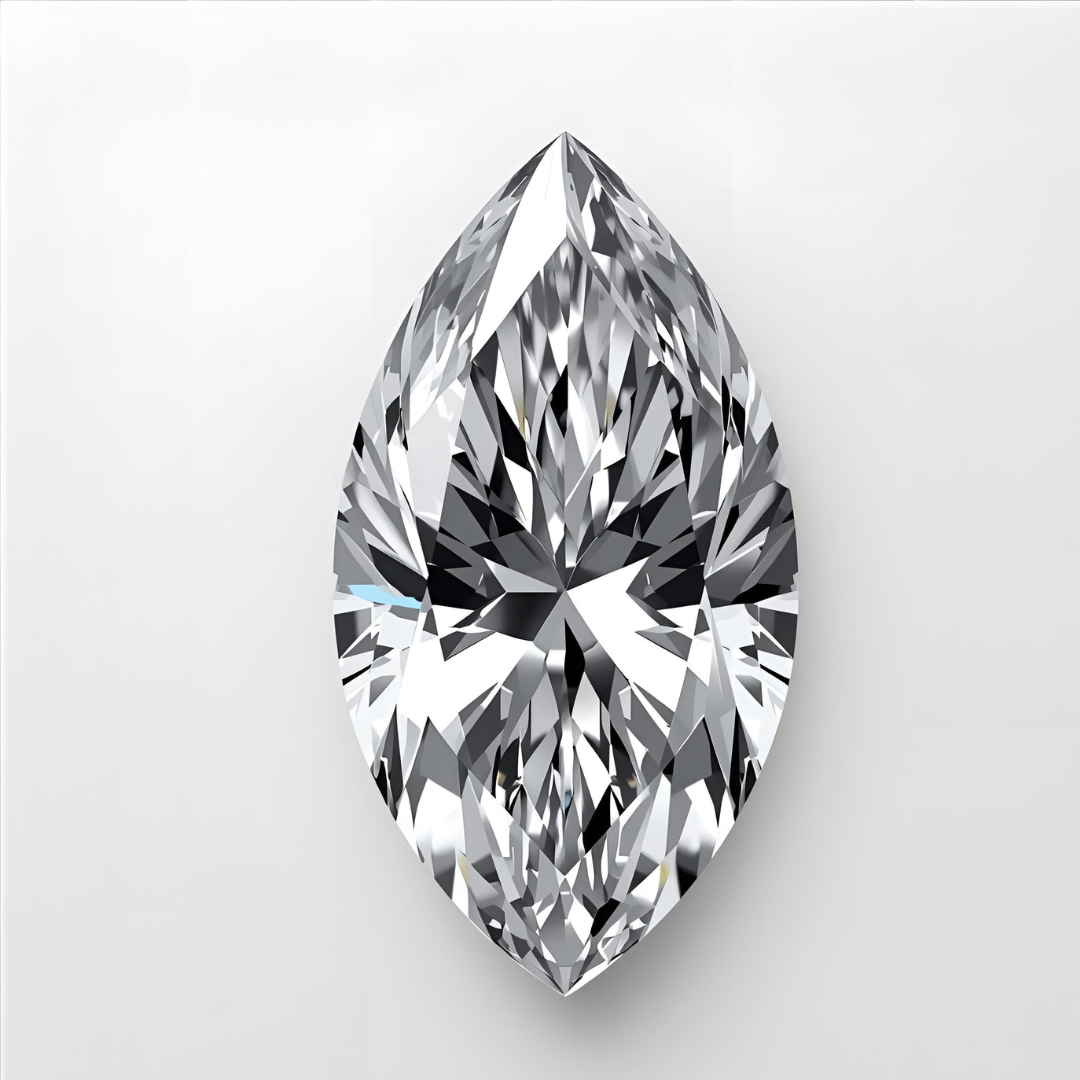
Pear Cut Diamond Guide: Price, vs Round, Sparkle and Buying Tips
“In the 15th century, a Flemish diamond polisher named Lodewyk van Bercken invented the diamond polishing wheel. With it, he could create shapes that were impossible before. His most beautiful creation was the ‘pendeloque‘—a teardrop that caught light like morning dew on a rose petal. For centuries, royalty wore pear-shaped diamonds as pendants and brooches. Then, in 1957, Richard Burton gave Elizabeth Taylor a 69-carat pear diamond. She called it her ‘best friend.‘ Today, when Ariana Grande and Sophie Turner choose pear cuts for their engagement rings, they are wearing 600 years of tear-shaped history—a diamond that is both a drop and a flame.”
The same teardrop that graced Elizabeth Taylor now awaits your own love story — point up for drama, point down for protection. Every pear-cut diamond in our collection is hand-selected for minimal bow-tie and perfect symmetry.”
[Button: Explore Pear Cut Diamonds →]
Here is a detailed explanation of the Pear Cut.
A Pear Cut, also known as a teardrop cut, is a popular fancy shape for gemstones, especially diamonds, that combines the elegance of a round cut with the edginess of a marquise cut.
Table of Contents
What is a Pear-Cut Diamond?
A pear-cut diamond is a brilliant-cut diamond shaped like a teardrop, combining the curves of a round diamond with the pointed end of a marquise. This shape is also sometimes called a teardrop shape.
Here is a summary of how a pear cut compares to the classic round brilliant:
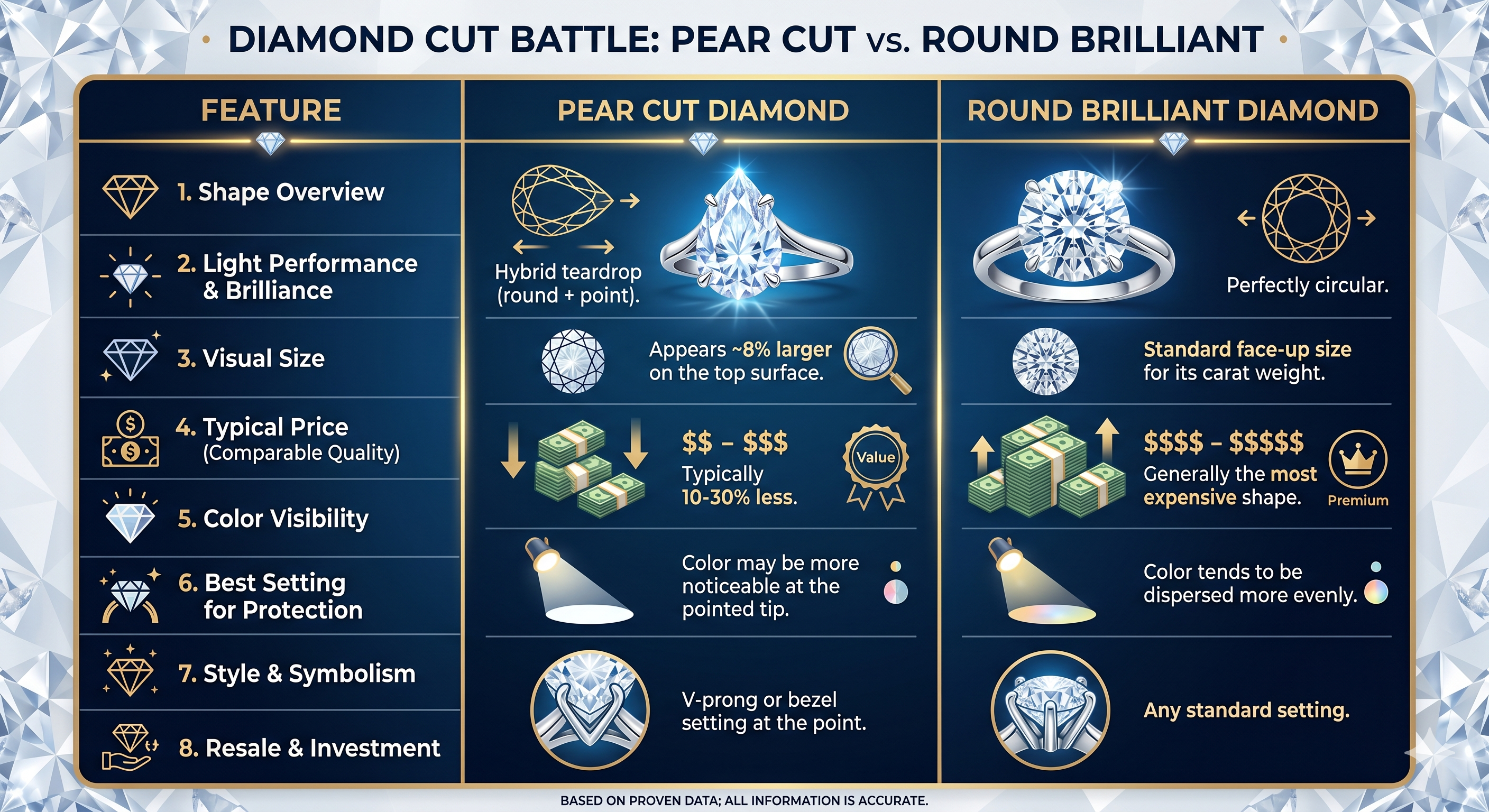
Key Characteristics of the Pear Cut
History and Popularity: The pear cut's design is credited to a Flemish polisher in the 15th century. Today, it's considered a classic yet fashionable choice, often seen in engagement rings.
The Cut and Symmetry: Unlike round diamonds, the pear cut has no single standardized set of proportions, meaning you can choose one that appeals to you personally. A well-executed cut with excellent symmetry is crucial. The two halves should be balanced, and the point should be sharp and centered.
The "Bow-Tie" Effect: A common characteristic in fancy-shaped diamonds, like the pea,r is a dark, bow-tie-shaped area across the middle. A slight bow-tie is normal, but a very prominent one can block light and reduce sparkle.
Why Choose Pear-Cut Diamond?
People are often drawn to the pear shape because:
Visual Impact: Its elongated shape can create a flattering, slimming effect on the finger.
Styling Versatility: The shape is unique, defined by both angles and curves, making it versatile for various ring styles. It can look vintage, modern, or timeless depending on the setting.
Value: You often get a larger-looking diamond for your budget compared to a round brilliant of the same carat weight
Tips for Choosing a Pear Cut
If you're considering a pear-cut diamond, keep these points in mind:
Check the Color: Because the point can concentrate color, many jewelers recommend choosing a higher color grade (D-F) for a colorless look, especially for larger stones.
Consider the Setting: The delicate point is prone to chipping. A V-prong or a bezel setting at the tip offers the best protection. The diamond can also be set with the point facing up or down, offering two distinct looks.
Focus on Personal Preference: Since proportions are not standardized, the "best" pear shape is subjective. Pay attention to the length-to-width ratio; a ratio of 1.50-1.75 is common, but you may prefer a shorter, plumper shape or a longer, more slender one.
Matching with Ring Styles and Wedding Bands
Pear diamonds are highly versatile:
Classic Solitaire: Allows the unique shape to stand alone.
Side Stones: Tapered baguettes or smaller pears can complement the shape.
Halo or Pave Settings: Add extra sparkle, nd can make the center stone appear even larger.
When choosing a wedding band, consider a curved or "V"-shaped band to fit snugly against the pear's tapered shape, or choose a simple band with a small gap.
In summary, the pear cut is a distinctive and elegant choice for those seeking a diamond with a blend of soft curves and a dramatic point. Its versatility in style and potential for excellent value make it a compelling option.
If you have a specific setting style in mind or a particular budget range, I can help you explore what to look for in more detail.
For official diamond cut grading information, visit the GIA Diamond Cut Guide.
Is Pear Cut More Expensive?
Generally, a pear cut is less expensive than a round brilliant cut of the same carat weight and quality. However, it's often more expensive than many other fancy shapes.
Let's break down the factors that determine the price of a pear-cut diamond or gemstone.
1. The Round Brilliant Premium (Why Rounds are Most Expensive)
The round brilliant cut is the king of the diamond market for a reason:
Highest Demand: It's the most popular shape by a huge margin, which drives up the price.
Maximum Waste: Cutting a rough diamond crystal into a round shape results in the most weight loss (up to 60% is lost). This wasted material is factored into the price.
Complex Faceting: It requires the most precise and complex facet pattern to achieve its legendary brilliance.
Because of this, you can often get a larger or higher-quality pear cut for the same price as a smaller or lower-quality round brilliant.
2. Factors That Make a Good Pear Cut Expensive
While pears are cheaper than rounds, a high-quality pear is still a premium stone. Here’s what to look for, as these factors increase its value:
Excellent Cut and Symmetry: This is the most important cost factor for pears. A poorly cut pear can look unbalanced and lifeless. A well-cut pear with perfect symmetry, a great light return, and no "bow-tie effect" (or a very minimal one) will command a much higher price. Achieving this symmetry is difficult and requires a highly skilled cutter.
Color (Especially for Diamonds): The pointed tip of a pear cut can concentrate color, making a lower-grade diamond (like K or L color) appear slightly yellowish at the tip. For this reason, it's often recommended to choose a near-colorless grade (G, H, I) or higher for a pear cut, which increases the cost.
Clarity: The large, open table (top surface) of the pear cut can make inclusions more visible, especially if they are located near the center. A stone with a higher clarity grade (VS1 or higher) that is "eye-clean" will be more expensive.
Length-to-Width Ratio: The "ideal" or most sought-after ratio (typically between 1.55 and 1.65) can sometimes carry a slight premium, though this is more about personal preference.
The Vulnerable Point: A pear cut with a clean, unchipped point is more valuable. Stones that have been chipped at the tip are significantly discounted.
3. How Pear Cut Compares to Other Fancy Shapes
More Expensive Than: Oval, Cushion, Asscher. This is often due to the higher difficulty in achieving the pear's symmetry and the fact that it's a less common shape than an oval or cushion.
Similar in Price To: Marquise, Heart. These are all more complex, symmetrical cuts with points that require skilled craftsmanship.
Less Expensive Than: Round Brilliant (as discussed above) and sometimes Emerald Cut. Emerald cuts can be more or less expensive depending on the clarity requirements, but they are generally in a similar price tier.
Summary Table: Price Comparison (General Guideline)
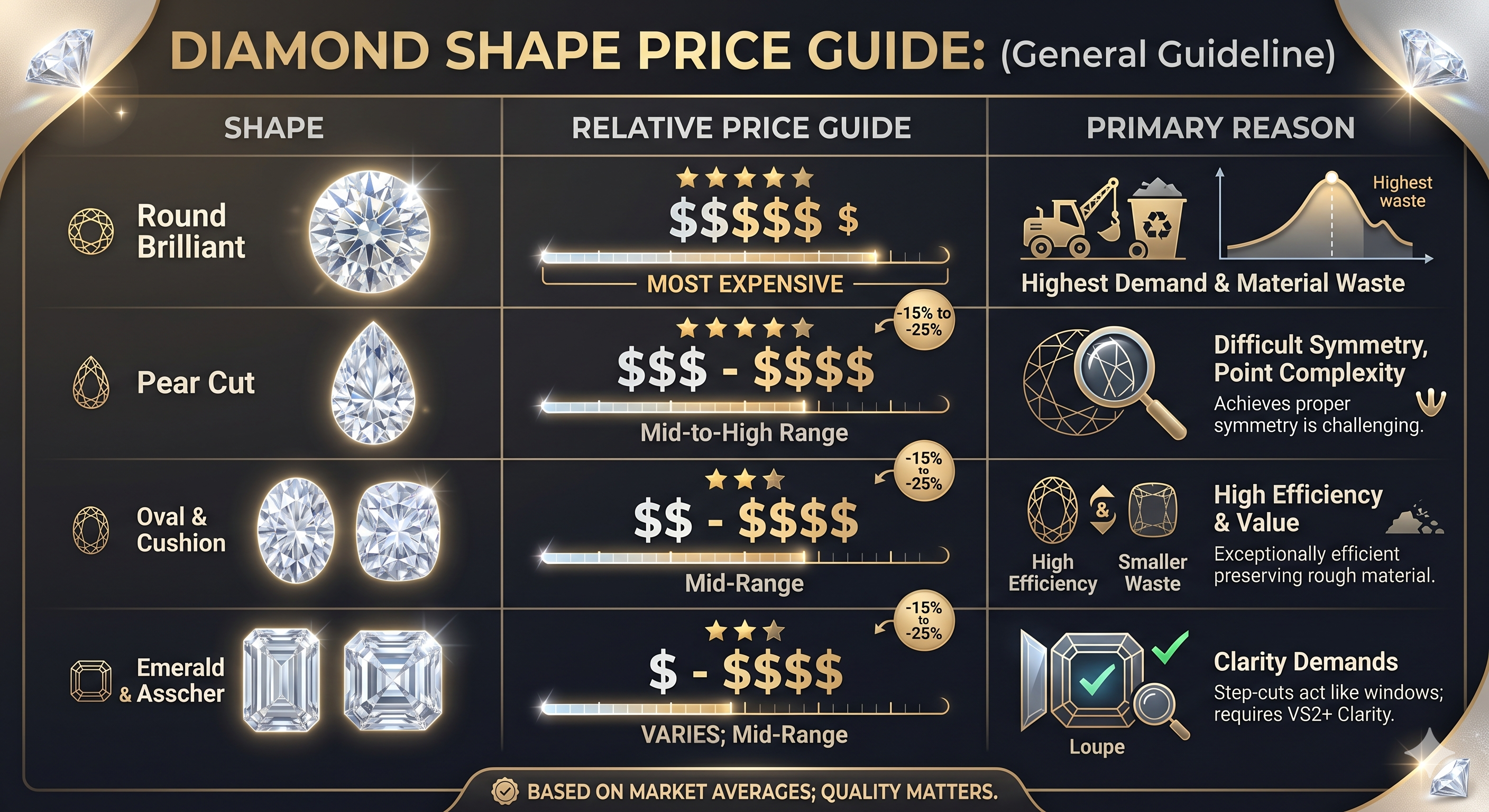
No, a pear cut is not more expensive than a round brilliant. In fact, it's one of the best ways to get a larger-looking stone for your budget.
However, don't assume all pear cuts are "cheap." A high-quality, well-proportioned pear cut from a reputable seller will still be a significant investment. The key is to prioritize an excellent cut and symmetry above all else when choosing a pear-shaped diamond.
Pro Tip: Because of the price advantage, you can often afford to go up in carat size or color/clarity grade with a pear cut compared to what you could get with a round brilliant for the same budget.
For current diamond market prices, visit the American Gem Society's price guide.
Do Pear-Cut Diamonds Look Bigger?
Yes, pear-cut diamonds generally do look larger than round brilliant diamonds of the same carat weight.
This is one of their biggest advantages and a primary reason for their popularity. Here’s a detailed breakdown of why:
The Two Main Reasons Pear Cracks Look Larger
Elongated Shape and Surface Area:
A pear cut is an elongated shape, meaning it covers more surface area from top-down (the "face-up" view) than a round brilliant of the same weight.
Think of it like dough: you can shape the same amount of dough into a compact ball or a long, flat snake. The snake will look longer and cover more space, even though it's the same amount of dough. The pear cut is the "snake" in this analogy.
This elongated shape directs the eye along its length, creating a stronger impression of size.
The "Face-Up" Illusion:
Diamond weight (carat) is a measure of weight, not physical size. A significant portion of a round brilliant's weight is hidden in its depth and pavilion (the bottom part) to maximize brilliance.
Pear cuts and other fancy shapes like ovals and marquises often have a shallower pavilion and a larger table (the top, flat surface). This means more of the carat weight is concentrated in the surface area you actually see.
Visual Comparison: Pear Cut vs. Round Brilliant
To make this concrete, here is a visual comparison of a 1-carat pear-cut diamond versus a 1-carat round brilliant diamond, scaled to their approximate actual sizes.
As you can see from the chart, the pear cut has a much longer length, making it appear significantly larger when viewed from above, especially on a finger.
How to Maximize the Size Effect
If you want a pear cut that looks as large as possible, consider these tips:
Choose a Higher Length-to-Width Ratio: A more elongated pear (e.g., a ratio of 1.60-1.75) will look longer and cover more of the finger than a "chubby" pear (e.g., a ratio of 1.40-1.50).
Opt for a Slimmer Band: A thin, delicate band (e.g., 1.5-2.0mm) will make the diamond appear larger by contrast.
Consider the Setting:
A solitaire setting puts all the focus on the single stone, making it the star and often enhancing its perceived size.
A halo setting (a circle of small diamonds around the center stone) will dramatically increase the overall surface coverage and make the center pear look much larger.
Prioritize Excellent Cut: A well-cut pear will have better light performance and brilliance. A lively, sparkling stone draws more attention and can appear more substantial than a dull, poorly cut one of the same size.
A Word of Caution
While pears look larger face-up, never sacrifice cut quality for size. A poorly cut pear can have a dead center, a severe bow-tie effect, and bad proportions that make it look awkward and less brilliant. A smaller-looking, well-cut stone will always be more beautiful and valuable than a larger-looking, poorly cut one.
Yes, a pear-cut diamond will almost always look larger than a round brilliant diamond of the same carat weight. This perceived size advantage, combined with its elegant and flattering shape, makes it an excellent choice for anyone wanting to maximize the visual impact of their diamond.
Is a Pear-Cut Diamond Popular?
The popularity of the pear-cut diamond is a fascinating topic because it sits in a unique space in the jewelry world.
Here’s a detailed breakdown:
The Short Answer
Yes, the pear cut is popular and has been consistently rising in popularity, but it is not ubiquitous like the round brilliant. It's considered a well-known, beloved choice for those seeking a unique yet classic look.
The Detailed Breakdown
1. Its Ranking and Trend
Consistently in the Top 5: For engagement rings, the pear cut consistently ranks among the top 5 most popular fancy shapes, typically competing with the oval, cushion, and princess cuts. The round brilliant always holds the undisputed #1 spot.
A Significant Rise: Over the last 5-10 years, the pear cut has seen a major surge in popularity. This is part of a broader trend where "fancy shape" diamonds (anything non-round) have become much more sought-after as people look for unique ways to express personal style.
2. Why It's Popular (The Pros)
Unique & Classic Balance: It offers the perfect middle ground. It’s distinctive and less common than a round or oval, but its teardrop shape is timeless and romantic, not overly trendy or edgy.
“In 2018, Ariana Grande posted a photo of her new engagement ring—a pear-shaped diamond estimated at over 3 carats. Within weeks, searches for ‘pear cut engagement ring‘ had doubled. But the pear‘s popularity didn‘t start with Ariana. In 1989, Princess Diana‘s sister-in-law, Sarah Ferguson, wore a pear-cut ruby engagement ring. In 2009, Kate Beckinsale‘s pear diamond ring made headlines. In 2016, Kaley Cuoco‘s pear-shaped sparkler set another trend. The pear has never been the most popular shape. But it has always been the shape that people remember. It is not for everyone. That is exactly why those who choose it love it.”
Flattering and Feminine: The elongated shape is renowned for making the finger appear longer and slimmer, a highly desired effect.
Celebrity Influence: High-profile engagement rings have a massive impact. Celebrities like Ariana Grande, Sophie Turner, and Kaley Cuoco have stunning pear-cut engagement rings, which brings the shape into the mainstream spotlight.
Versatility: It can be set vertically (the classic style), horizontally (a more modern "east-west" setting), or as a stunning pendant. This appeals to people who want a customizable and unique piece of jewelry.
3. Why It's Not #1 (The Factors Limiting Its Popularity)
The Round Brilliant's Dominance: The round cut is the default choice for a reason. Its unparalleled brilliance and timeless status make it the "safe" and most requested option.
The "Bow-Tie" Effect: Many elongated cuts, including the pear, can have a dark, bow-tie-shaped area across the center. While a faint one is normal, a prominent bow-tie is considered a flaw and can be off-putting to some buyers.
The Vulnerable Point: The delicate tip of the pear can be prone to chipping if not protected by the right setting (like a V-prong). This requires a bit more care and consideration, which some prefer to avoid.
Symmetry is Critical: A poorly cut, asymmetrical pear can look awkward and lopsided. Finding a beautifully symmetrical pear requires more careful selection than with a round brilliant.
The "Halo Effect" on Popularity
It's important to note that the pear cut is extremely popular in halo settings. The halo of smaller diamonds encircling the center stone complements the pear's shape beautifully, protects its vulnerable point, and makes the entire ring look much larger and more glamorous. Many of the most celebrated pear-cut rings feature halos.
So, is it popular?
Yes, but in its own tier.
Think of diamond popularity like this:
Tier 1 (The Default): Round Brilliant. In a league of its own in terms of market share.
Tier 2 (The Rising Stars & Classics): Oval, Pear, Cushion, Princess. These are highly popular, fashionable, and commonly seen. The pear cut is a proud member of this group.
Tier 3 (The Niche Favorites): Emerald, Asscher, Marquise, Heart. These are for those with a more specific, distinct taste.
The pear-cut diamond is a popular, prestigious, and stylish choice. It's for someone who appreciates classic romance but wants to step slightly outside the box without being too avant-garde. Its popularity is well-deserved and shows no signs of fading.
Do Pear-Cut Diamonds Sparkle?
Yes, pear-cut diamonds can sparkle brilliantly, but their sparkle is different from that of a round brilliant. When well-cut, they exhibit a mix of fire (flashes of colored light) and brilliance (white light return).
Here’s a quick comparison of their sparkle characteristics:
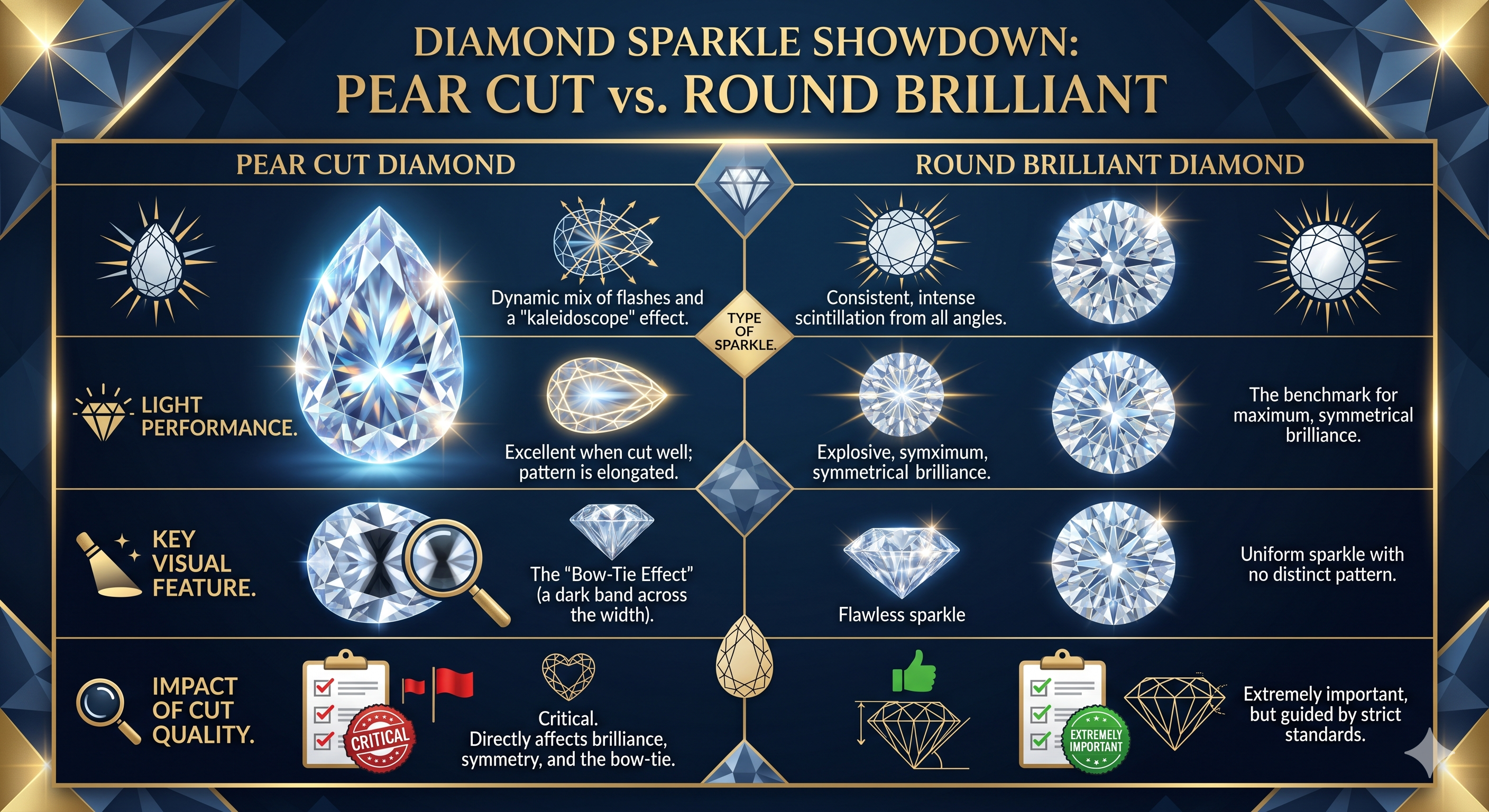
Understanding Pear Cut Sparkle
The sparkle of a pear cut is unique because of its shape:
Elongated Brilliance: Its facets create a long, shimmering light pattern that can make the diamond appear larger and the finger look longer.
The Bow-Tie Effect: This dark area across the middle is caused by light obstruction. A faint to moderate bow-tie is normal and adds contrast, but a very prominent, dark bow-tie means the cut is poor and kills sparkle.
Cut is Everything: For a pear to sparkle, it must be cut with excellent symmetry and proportions. There's no universal "Ideal" grade, so visual inspection is key.
How to Choose a Sparkly Pear Cut Diamond
To ensure you get a stone with great sparkle, focus on these four aspects (beyond the standard 4Cs):
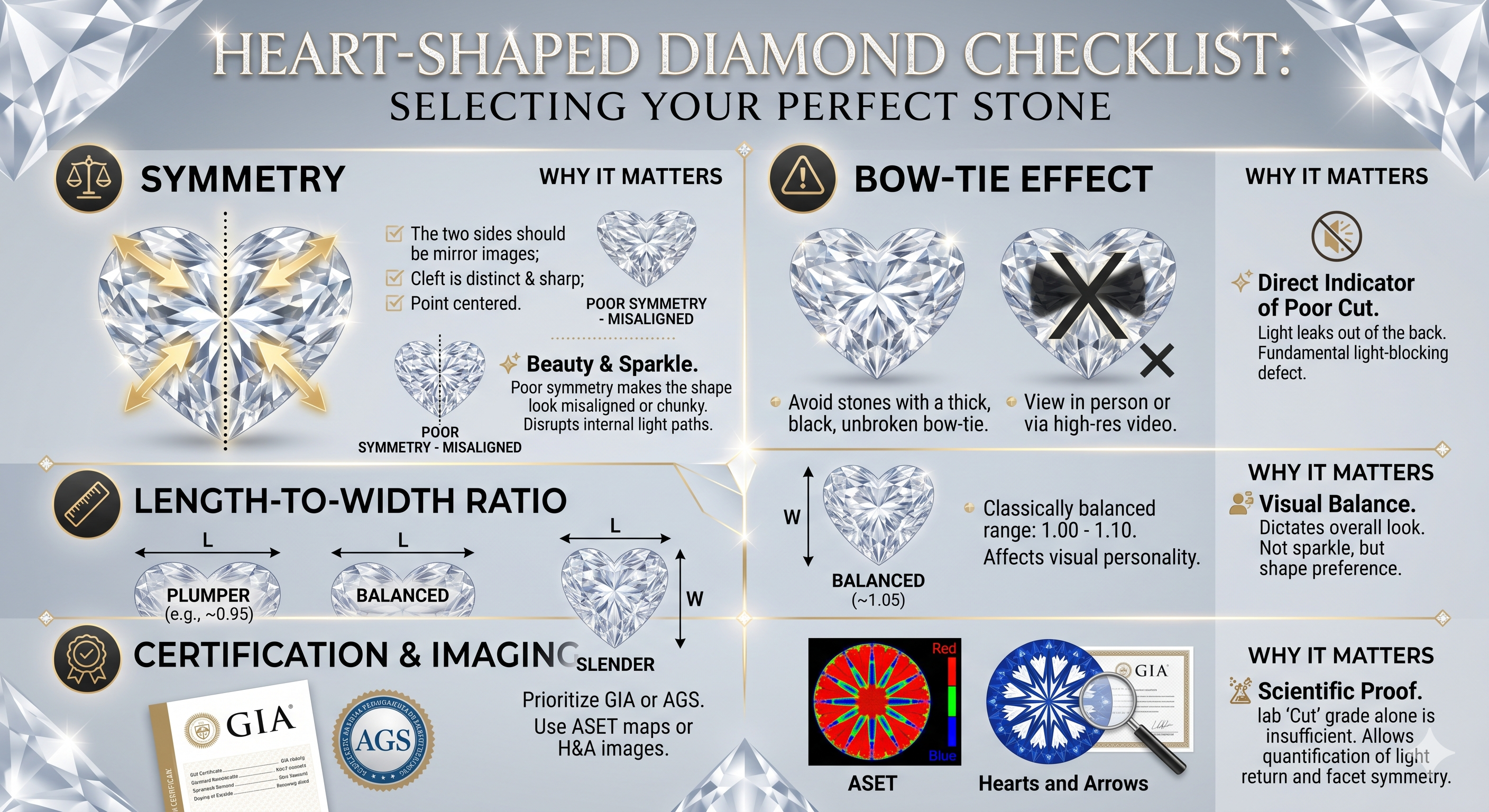
Practical Tip: Always view the diamond in motion. A good pear cut will flash with light from almost every angle as you rotate it.
In short, a pear-cut diamond offers a dramatic and elegant sparkle that is distinct from a round brilliant. Its brilliance is more fluid and elongated. The key is to prioritize cut quality above all else to find a stone that is both fiery and bright.
“You now know the origin, the price comparison, the size illusion, the popularity, the sparkle, and the selection tips. The only question left: will you wear the tear-shaped diamond?
*Our current collection includes a limited number of GIA-certified pear-cut diamonds — from delicate 0.5-carat stones to stunning 3-carat centerpieces. When stones with minimal bow-tie and ideal length-to-width ratios are gone, sourcing new ones takes time.*
*This is not just a diamond. It is Lodewyk van Bercken‘s 15th-century invention, Elizabeth Taylor‘s ‘best friend,‘ and Ariana Grande‘s trend — a teardrop that is both a drop of sorrow and a flame of joy. Point up, point down, or sideways. The choice is yours.”*
[Button: Claim Your Pear Cut Diamond (Limited) →]
Back to Complete Amethyst Stone Guide


Other news for Sunday 14 June, 2026
- Round Brilliant Cut Guide: Price, Facets, vs Other Cuts and Buying Tips
- The Allure of the Cushion Cut Diamond: What You Need to Know
- Square Cut Diamond Guide: Princess, Cushion, Asscher and Radiant
- 24K Gold Guide: Purity, Price, vs 18K, Investment and Buying Tips
- 22K Gold Guide: Purity, Price, vs 24K/18K, Daily Wear and Care
- Oval Cut Diamond Guide: Price, vs Round, vs Radiant and Buying Tips
- Solitaire Setting Guide: 4 vs 6 Prong, Security, Unique Ideas and Comfort
View all news for Sunday 14 June, 2026 on one page
News for Saturday 13 June, 2026
- Ring Finger Meaning: Which Finger for Wedding, Single and More | Complete Guide
- Bezel Setting Guide: Benefits, Styles, and Buying Tips
- Sterling Silver Jewelry Guide: 925 Meaning, Care and Green Skin Fix
- Channel Setting Guide: Pros, Cons, Safety and Cost vs Pavé
- Prong Setting Guide: 4 vs 6 Prongs, Security, Size and Types
- Ring Setting Guide: Types, Best for Daily Wear, and Size Tips
View all news for Saturday 13 June, 2026 on one page
Recent News
- Friday 12 June, 2026
- Thursday 11 June, 2026
- Wednesday 10 June, 2026
- Tuesday 09 June, 2026
- Monday 08 June, 2026