

Ring Setting Guide: Types, Best for Daily Wear, and Size Tips
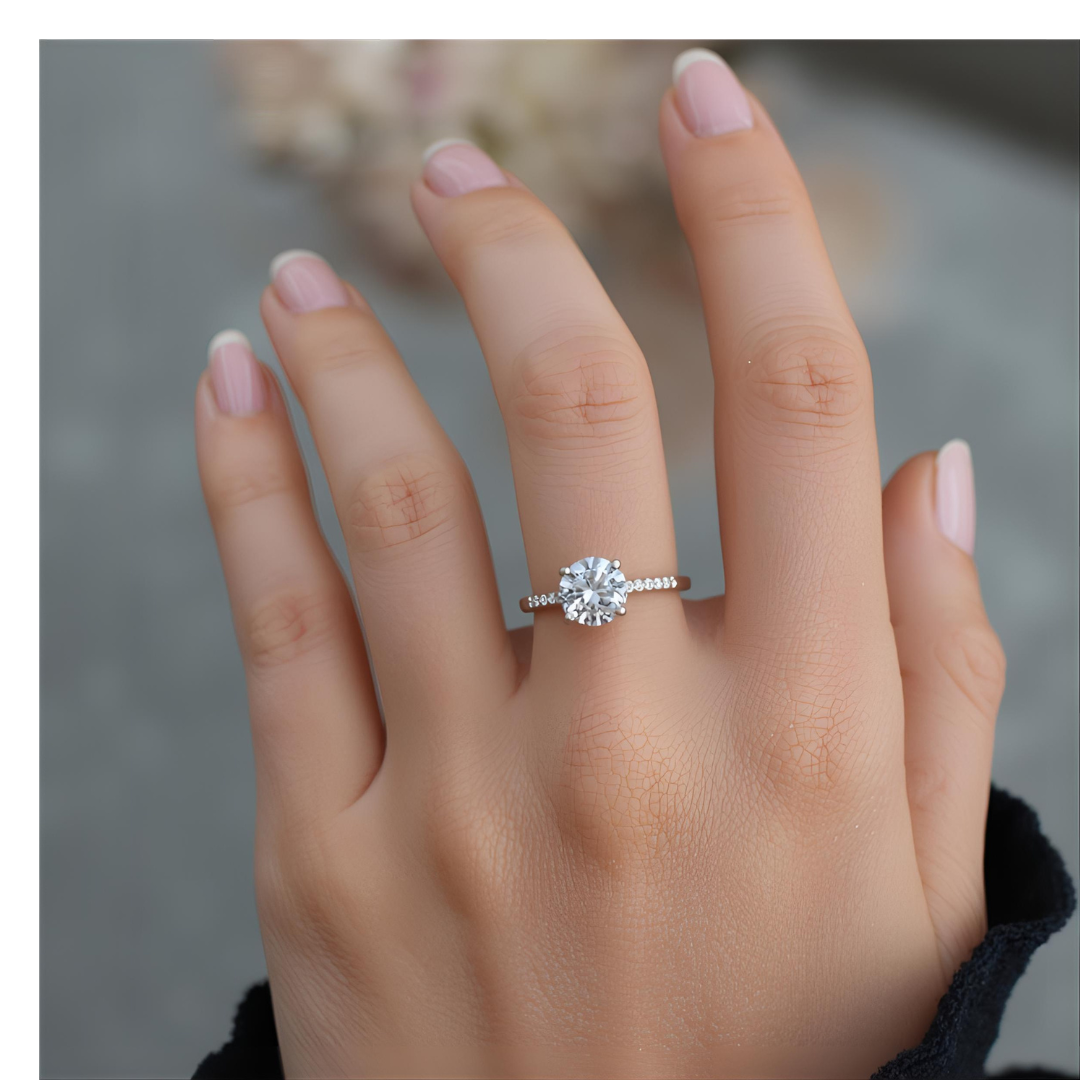
Ring Setting Guide: Types, Best for Daily Wear, and Size Tips
The Engagement Ring That Almost Fell Off
Sarah thought she had found the perfect ring—a beautiful diamond set in delicate prongs. Six months later, she reached into her coat pocket and felt something horrible: an empty setting.
The diamond had fallen out somewhere between the office and the subway. She never found it.
"I wish someone had told me about settings," she says now. "I would have chosen a bezel or a channel set. I just didn't know."
The same choice that has faced lovers for centuries now awaits your own ring. Whether you need a bezel for security, a prong for sparkle, or a pavé for drama, every setting in our collection is crafted by jewelers who understand what‘s at stake.”
[Button: Explore All Ring Settings →]
That's why this guide exists. Choosing a ring setting isn't just about looks. It's about how you live, what you do, and what you need your ring to survive.
“In 1886, Charles Lewis Tiffany solved Sarah‘s problem before it existed. He introduced the Tiffany Setting — a six-prong mounting that lifted the diamond up, allowing light to enter from every angle. But more importantly, his prongs were engineered with precision: thick enough to hold, shaped to avoid snags, and made from platinum that wouldn‘t wear thin. Sarah‘s ring failed because her setting was poorly made, not because the prongs were bad. The right setting, crafted by the right hands, doesn‘t fail. That is what this guide will help you find: not just a beautiful ring, but one that stays beautiful — and stays on your finger.”
Let's find your perfect match.
Table of Contents
What Is A Ring Setting?
A ring setting is the metal framework that holds a gemstone securely in place on a ring. It's the "architecture" of the jewelry, and it is one of the most important elements determining a ring's overall style, security, and functionality.
Think of it as the combination of the base, support beams, and protective frame for your gemstone.
The Primary Functions of a Ring Setting
Security: Its most critical job is to hold the gemstone firmly and prevent it from falling out.
Style & Design: The setting defines the ring's character—whether it's classic, modern, vintage, or minimalist.
Protection: It can shield the gemstone's vulnerable edges from chipping and damage.
Showcase: It enhances the stone's beauty by allowing the right amount of light to enter and reflect, maximizing its sparkle.
Comfort: The design of the setting affects how the ring feels on your finger (e.g., a low-profile setting is less likely to snag on clothing).
For official information on jewelry settings, visit the GIA Jewelry Setting Guide.
What Does Ring Setting Mean?
Excellent question! In jewelry, "ring setting" refers to the specific style and method used to hold a gemstone (or diamond) securely in place on a ring. It's one of the most important design elements, as it determines not only the ring's appearance and style but also its security, durability, and the amount of light entering the stone (affecting its brilliance).
You can think of it as the "architecture" or "mount" for the gemstone.
The Two Main Purposes of a Ring Setting:
Security: To hold the gemstone firmly and protect it from falling out or getting damaged.
Style & Design: To define the ring's overall aesthetic—whether it's modern, vintage, minimalist, or ornate. It also influences how the stone is presented (e.g., raised high or nestled low).
Key Functions of a Setting:
Reveals the Stone: A good setting maximizes the stone's beauty by allowing light to enter and reflect from all angles.
Protects the Stone: It shields vulnerable edges (such as the girdle) and points (such as the culet of a diamond) from chipping.
Complements the Metal: The setting integrates the stone with the band and any side stones or accent details.
Affects Wearability: Some settings sit high and may snag on clothing (e.g., prong settings), while others sit flush and are very low-profile (e.g., bezel settings).
Common Types of Ring Settings (with meanings/styles):
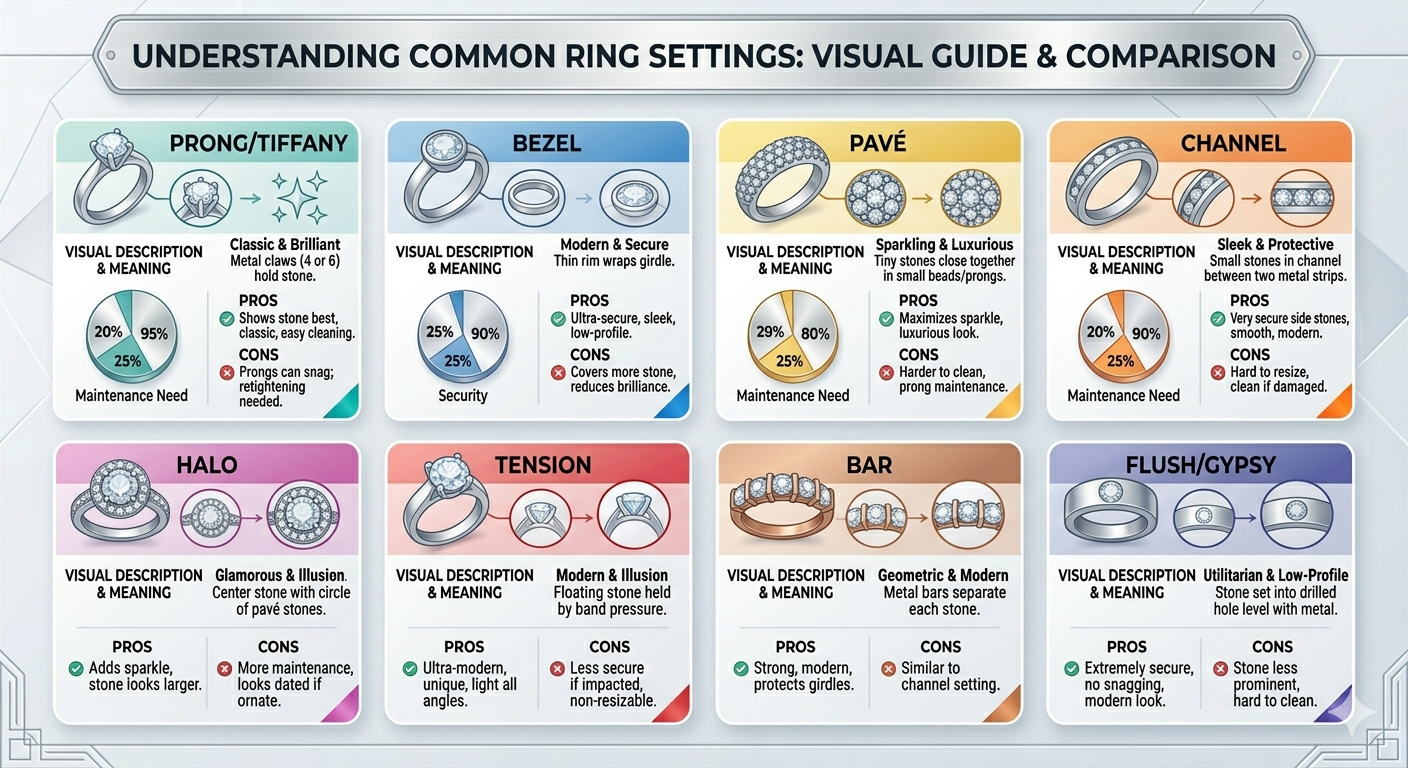
Here’s a quick guide to the most popular settings:
How to Choose a Setting: Factors to Consider
Lifestyle: Active or hands-on work? A bezel or flush setting is more durable.
Style Preference: Love classic elegance? Prong. Prefer modern lines? Bezel or tension. Want maximum sparkle? Halo or pavé.
Stone Security: If security is your top concern, bezel and channel are excellent choices.
Stone Shape: Certain settings complement specific shapes (e.g., a bezel looks great with a cushion cut, prongs are classic for rounds).
Maintenance: Are you willing to get prongs checked regularly? If not, consider a low-maintenance bezel.
The ring setting is the design and metal framework that holds your gemstone. It’s a crucial choice that balances aesthetics, security, and practicality. When selecting an engagement ring or any significant piece of jewelry, understanding the setting helps you choose a design that perfectly fits your personal style and daily life.
What Are The Different Types of Ring Settings?
“In 15th-century Europe, ring settings were simple — stones were glued into metal cups or held by a single clumsy prong. Then, Renaissance goldsmiths discovered that bending multiple metal claws over a stone‘s edge could hold it forever. By the 1700s, jewelers had perfected the prong, the bezel, and the channel — three settings that remain unchanged today. The Art Deco era of the 1920s added the pavé (French for ‘paved‘) — tiny stones set so close together they looked like a solid carpet of diamonds. And in 1960, a German designer invented the tension setting — a stone held by nothing but the pressure of the metal band itself. Every setting in this guide has survived centuries. The question is not which is newest. It is what fits your hand, your life, and your story.”
Here are the most popular setting styles, each with a distinct look and purpose.
What it is: Metal claws (called prongs) that extend from the base to grip the gemstone.
Pros: Maximizes light exposure for superior sparkle; classic and versatile.
Cons: Prongs can snag and require periodic maintenance to stay secure.
Best for: Solitaire rings and showcasing a single, beautiful stone.
What it is: A custom-fitted metal rim that surrounds the entire circumference of the gemstone.
Pros: Extremely secure and protective; modern look; smooth surface that doesn't snag.
Cons: Covers more of the gemstone's edges, which can reduce the perceived size and slightly limit light entry compared to a prong setting.
Best for: Active lifestyles, modern designs, and protecting softer gemstones.
What it is: A row of gemstones set into a channel between two vertical metal walls. There is no metal between the stones.
Pros: Very secure, sleek look, and a smooth surface.
Cons: Can be difficult to resize; requires skilled craftsmanship.
Best for: Eternity bands and accent stones on a wedding band.
4. Pavé Setting
What it is: (Pronounced pah-vay). The band is covered with many small gemstones set very close together, held in place by tiny metal beads or prongs. The name comes from the French for "paved."
Pros: Creates a continuous surface of sparkle, making the ring look incredibly brilliant.
Cons: The tiny prongs can wear down over time; they can be harder to clean.
Best for: Adding extra sparkle and luxury to a band, often used as an accent to a center stone.
5. Halo Setting
What it is: A center stone surrounded by a circle (or "halo") of smaller pavé-set stones.
Pros: Makes the center stone appear significantly larger and more brilliant; adds a vintage or glamorous touch.
Cons: A more intricate design can be harder to clean.
Best for: Creating a dramatic, eye-catching effect and maximizing the visual impact of the center stone.
6. Tension Setting
What it is: A modern setting where the gemstone appears to be "floating" between two sides of the metal band, held by the pressure (tension) of the metal.
Pros: Ultra-modern and dramatic; allows light to hit the stone from all angles.
Cons: Requires a very strong metal and expert engineering; can be less secure if damaged, and is often difficult to resize.
Best for: A bold, contemporary statement.
Summary Table
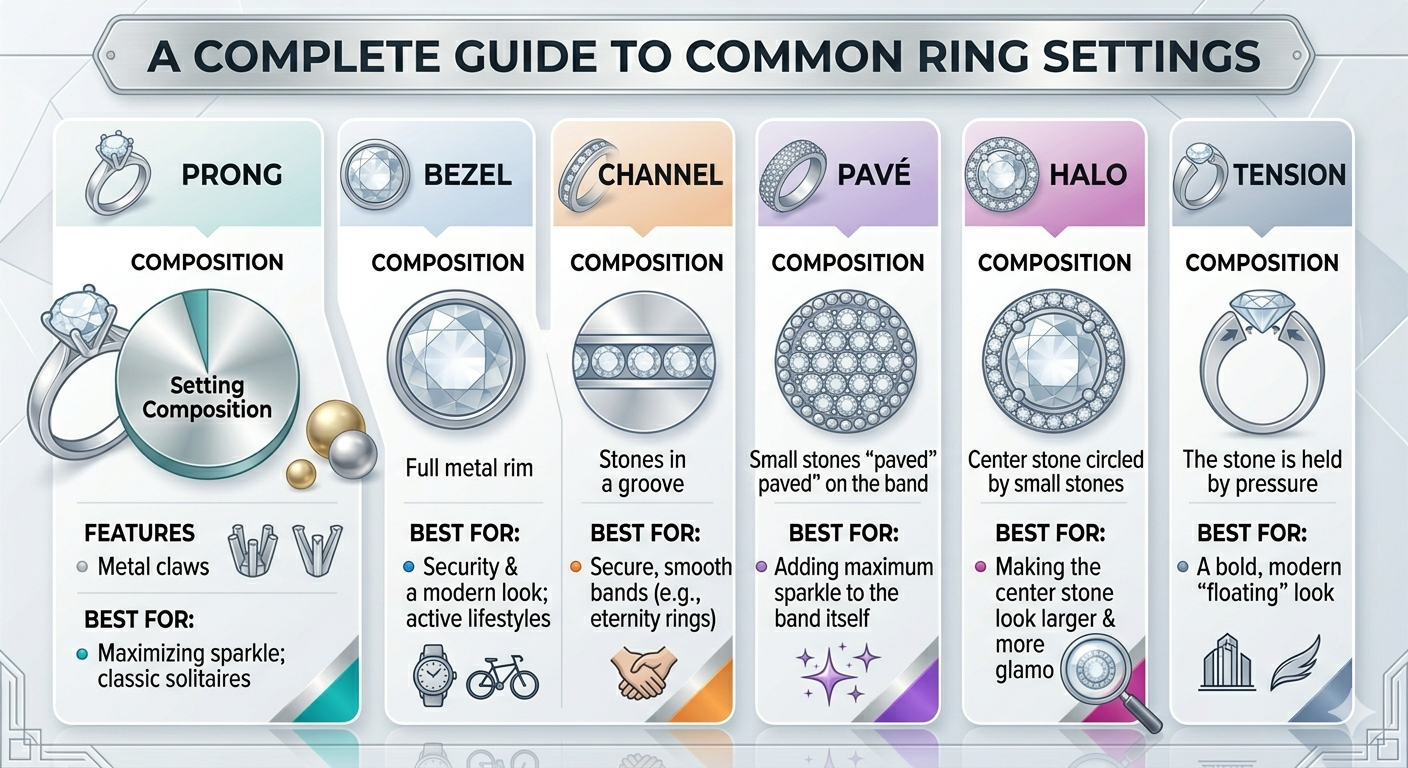
The setting is fundamental to a ring's identity. It works in concert with the metal and the gemstone(s) to create a piece of jewelry that is not only beautiful but also perfectly suited to the wearer.
What Ring Setting Is Best For Daily Wear?
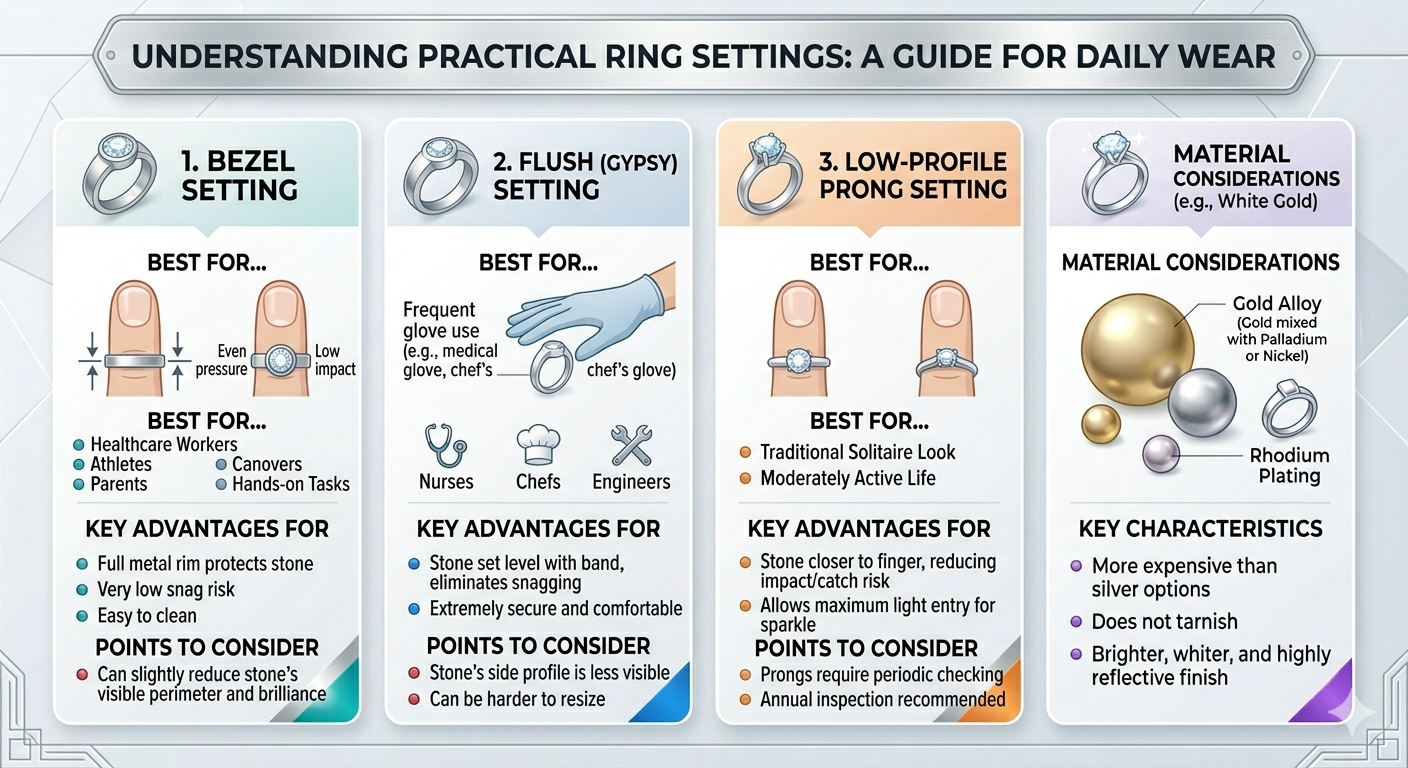
For daily wear, the best ring setting is one that balances security, comfort, and your personal style. The top choices generally prioritize a low profile to minimize snagging and a secure hold to protect the stone.
The ideal setting for you depends heavily on your daily activities. Here’s a comparison of the most recommended settings for daily wear:
How to Choose Based on Your Lifestyle
Your daily routine is the most important factor:
Highly Active/Hands-On Professions (Nurse, Mechanic, Athlete): Prioritize security and smoothness. A bezel or flush setting in a durable metal like platinum is highly recommended.
Moderately Active/Office Work: You have more flexibility. A low-profile prong setting offers a classic look with good security, or a low-set halo for extra sparkle.
For Minimalist or Stackable Styles: Consider a plain band, a channel-set band (stones protected between metal walls), or a delicate pavé band for subtle sparkle.
Additional Factors for a Durable Daily Ring
Beyond the setting, these elements are crucial:
Metal Matters: Platinum is the most durable and requires the least maintenance. 14K or 18K gold (white, yellow, or rose) is classic but softer and will show scratches more.
Stone Shape & Hardness: For daily wear, round and oval diamonds are most resilient. If choosing a gemstone, ensure it's hard enough (e.g., sapphire, ruby). Avoid very soft stones like opal or emerald for a ring you never take off.
Practical Tips: Ensure a proper fit to avoid loss. Ensure your ring. Remove it during high-risk activities like heavy lifting, gym workouts, swimming, or using harsh chemicals. Schedule a professional cleaning and inspection at least once a year.
To refine your choice further, it would help to know:
What does your typical day look like (e.g., office work, hands-on tasks, frequent gym visits)?
Do you have a strong preference for a particular style (e.g., classic solitaire, modern, vintage-inspired)?
Choose Your Setting Based on Lifestyle
| Lifestyle | Recommended Setting | Why |
|---|---|---|
| Highly Active (nurse, mechanic, athlete) | Bezel, Flush | No snagging, maximum protection |
| Office Work / Moderately Active | Low Prong, Channel | Classic look with good security |
| Minimalist / Stackable | Plain Band, Channel, Pavé | Sleek, versatile, comfortable |
| Max Sparkle / Photography | Prong, Pavé, Halo | Maximum light entry, brilliant |
Learn more about jewelry care on the American Gem Society's care guide.
Which Ring Setting Makes A Diamond Look Bigger?
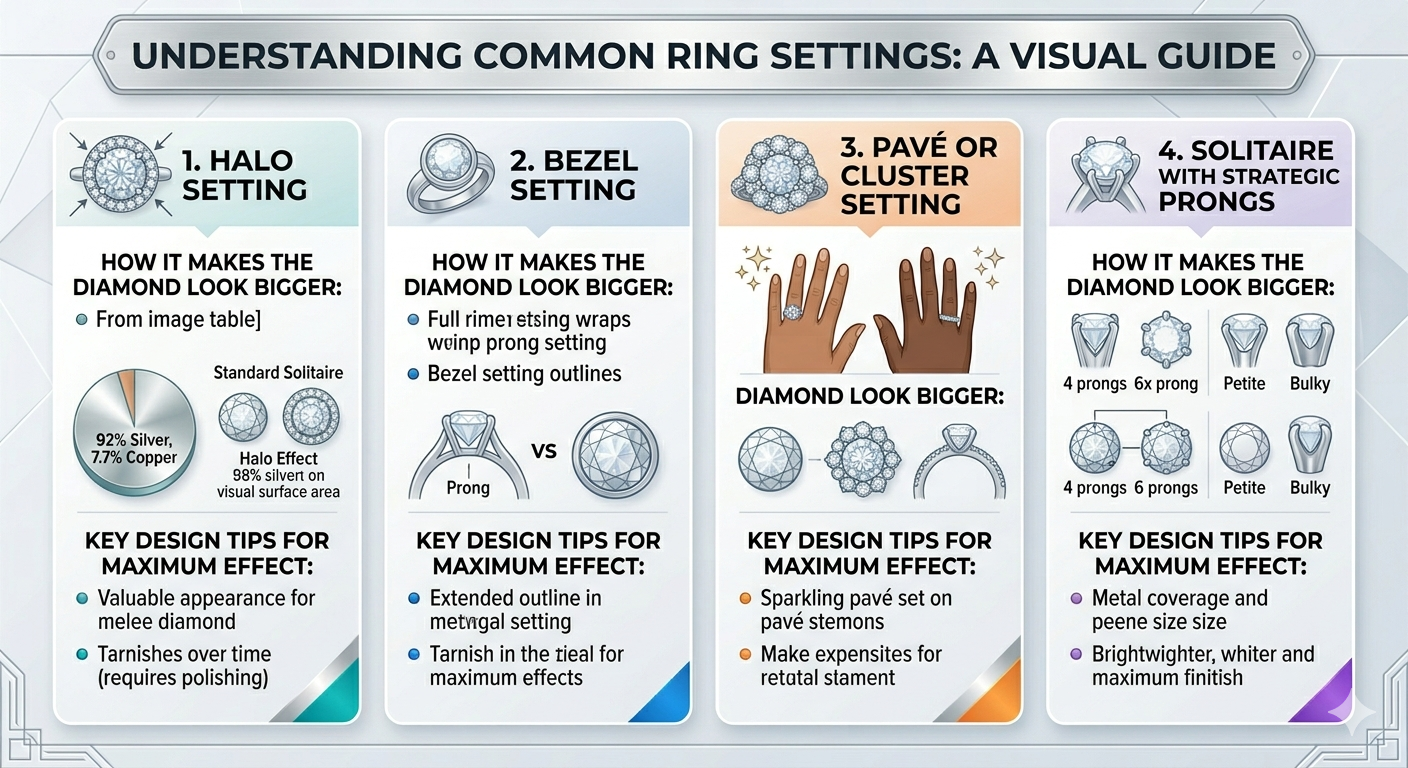
Several ring settings are designed to make a diamond appear larger by creating optical illusions with surrounding stones or metal, or by minimizing visual competition.
The most effective settings for this purpose, along with specific design tips, are outlined below.
Key Design Choices to Enhance Size
Beyond the main setting, these design elements have a major impact:
Band Width & Profile: A thinner band (1.8mm - 2.2mm) creates a visual contrast that makes the diamond appear larger. A tapered shank (band that narrows as it approaches the stone) achieves a similar effect.
Setting Height: A higher setting (like a cathedral style) raises the diamond closer to the eye and allows more light to enter, which can enhance its presence. However, this can make the ring more prone to snagging.
What to Avoid: Large side stones in a three-stone ring can compete with and diminish the center stone. Overly thick or bulky bands will visually overwhelm the diamond.
How to Choose the Right Setting for You
Your choice should balance the desire for size with other priorities:
For Maximum Sparkle & Illusion: A Halo setting is the most dramatic for size enhancement.
For a Modern, Secure, and Active Lifestyle: A Bezel setting offers excellent protection, a contemporary look, and still effectively enlarges the diamond's silhouette.
For Classic Brilliance: A Solitaire with four petite prongs on a thin band showcases the diamond's inherent beauty with minimal distraction, letting it shine on its own.
Considering your previous question about daily wear, a bezel or a low-profile pavé setting would offer a great combination of enhanced size, security, and comfort for active use.
I hope this helps you visualize the options. To give more tailored advice, what is the shape of the diamond you have in mind?
Can You Buy A Setting Without The Diamond?
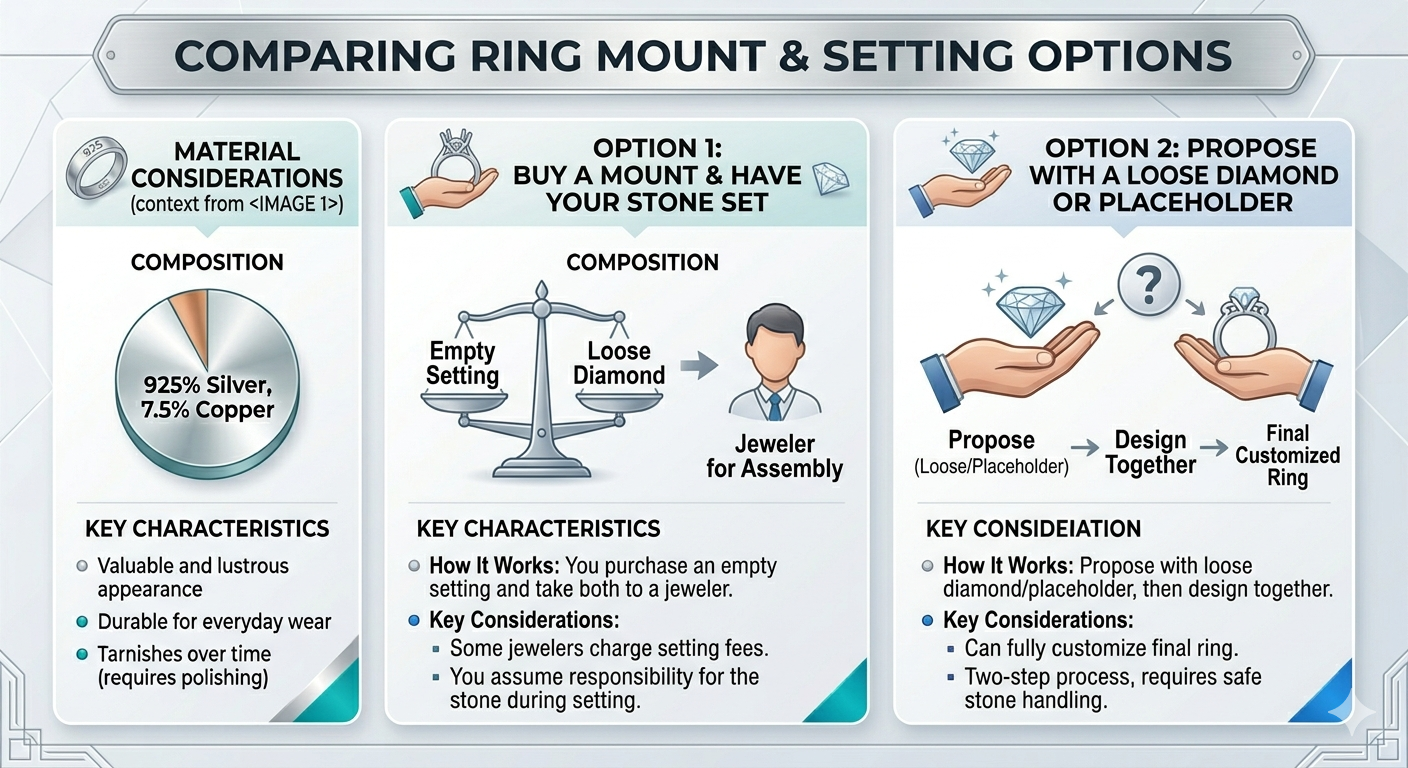
Yes, you can absolutely buy a ring setting without a diamond. This is a common practice known as purchasing a "setting only," "ring mount," or "semi-mount". Many jewelers and online retailers offer this service, especially for engagement rings.
There are two main approaches to doing this, each with different processes:
Practical Steps & Important Considerations
If you're considering this route, here are key points to keep in mind:
Be Clear with Your Jeweler: Before buying anything, talk to your chosen jeweler. Ask if they are willing to set a diamond purchased elsewhere, as not all jewelers offer this service. They may need to verify the diamond's certification and specifications first.
Understand the Costs and Responsibility: Using two different suppliers can complicate shipping and insurance. If something goes wrong (like a stone is damaged during setting), it may be harder to determine who is responsible if multiple parties are involved. Many jewelers recommend buying both the diamond and setting from the same source to have a single point of contact and warranty.
It's Ideal for Customization and Heirloom Stones: This approach is perfect if you have a specific, unique design in mind or if you want to reuse a diamond from a family heirloom or an existing piece of jewelry.
Ultimately, buying a setting separately gives you maximum flexibility, but it requires more coordination than buying a pre-set ring. The best choice depends on your priorities—whether it's complete customization, using a special stone, or simplicity.
To help you decide, what is your main reason for considering buying the setting separately? Are you planning to use a diamond you already own, or do you want to design a completely custom ring?
Still not sure? Explore each setting in detail:
“You now know the history, the options, the daily-wear winners, the size illusions, and the separate-setting buying process. The only question left: which setting will hold your story?
Our current collection includes a limited number of rings in every major setting type — from secure bezels to brilliant prongs, from pavé halos to channel-set eternity bands. When certain settings are gone, restocking takes time because each setting is handcrafted for its specific stone.
This is not just a setting. It is 500 years of jewelers‘ wisdom — the prong that never snags, the bezel that never loosens, the channel that never collects dirt, and the tension that never fails. Sarah lost her diamond. You won‘t lose yours.”
[Button: Find Your Perfect Setting (Limited) →]


Other news for Saturday 13 June, 2026
- Ring Finger Meaning: Which Finger for Wedding, Single and More | Complete Guide
- Bezel Setting Guide: Benefits, Styles, and Buying Tips
- Sterling Silver Jewelry Guide: 925 Meaning, Care and Green Skin Fix
- Channel Setting Guide: Pros, Cons, Safety and Cost vs Pavé
- Prong Setting Guide: 4 vs 6 Prongs, Security, Size and Types
View all news for Saturday 13 June, 2026 on one page
News for Friday 12 June, 2026
- Tanzanite Ring Guide: Meaning, Price, Care and Buying Tips
- Topaz Stone Guide: Healing Properties, Colors, Price and Care
View all news for Friday 12 June, 2026 on one page
Recent News
- Thursday 11 June, 2026
- Wednesday 10 June, 2026
- Tuesday 09 June, 2026
- Monday 08 June, 2026
- Sunday 07 June, 2026